

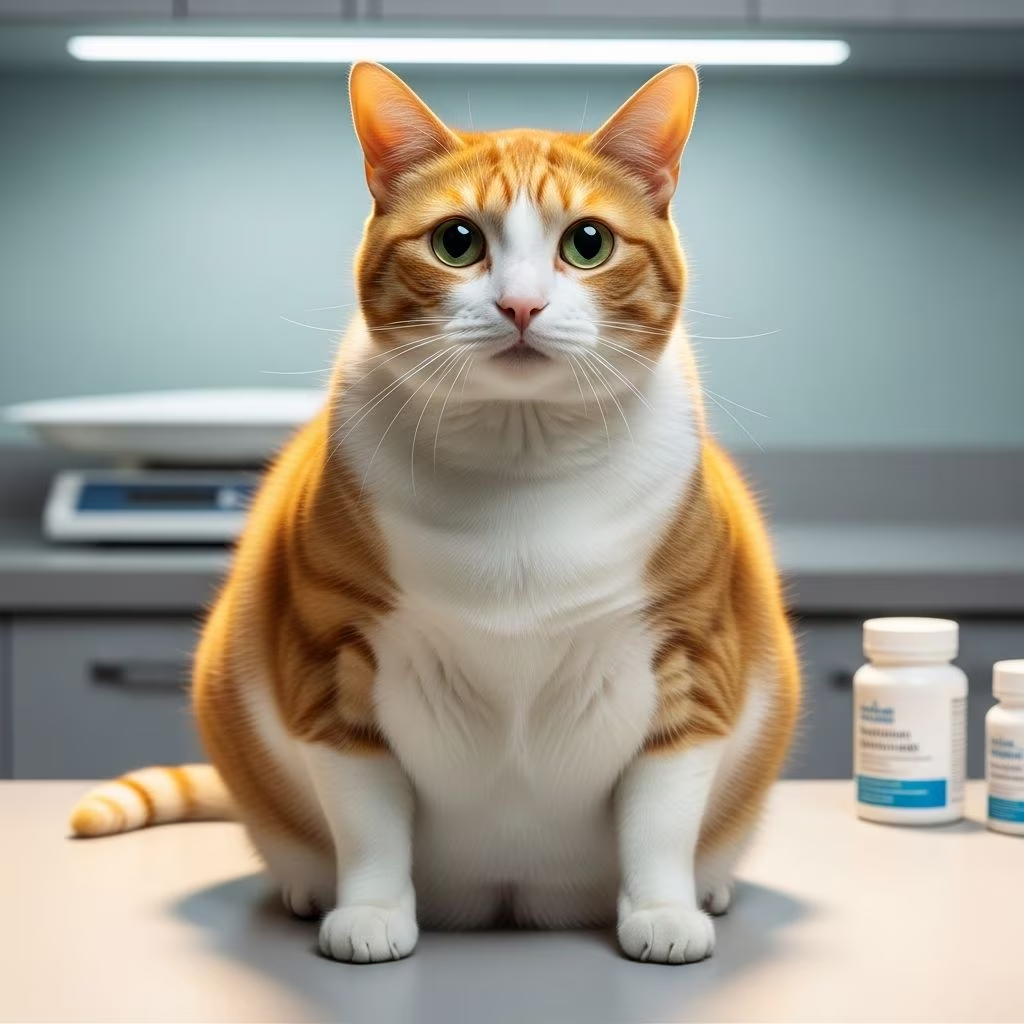
Obesity affects a significant number of domestic cats, turning a common household pet into one facing serious health challenges. Indoor lifestyles, altered metabolisms post-neutering, and dietary habits contribute to this growing issue, making proactive management essential for longevity and vitality.
Understanding the Scope of Feline Overweight Issues
Cats that carry excess body fat beyond 20% of their ideal weight enter the obese category, a threshold that heightens vulnerability to multiple disorders. Middle-aged, neutered, indoor cats represent the highest-risk group due to reduced energy needs and limited activity.
Unlike wild felines who hunt daily, modern cats expend minimal calories, yet consume calorie-dense foods designed for higher activity levels. This mismatch drives widespread weight gain, with studies linking it to shortened lifespans and chronic conditions.
Primary Contributors to Weight Gain in Cats
Several interconnected factors fuel cat obesity, starting with metabolic shifts and ending with owner habits.
- Post-Spay/Neuter Changes: Neutering reduces caloric requirements by 25-30%, as hormonal shifts slow metabolism. Food packaging guidelines, often based on intact males, lead to overfeeding if followed blindly.
- High-Carbohydrate Diets: Cats, obligate carnivores, inefficiently process carbs due to missing key enzymes. Unused carbs convert to fat, especially in low-activity cats. Dry kibble, typically carb-heavy, exacerbates this compared to protein-rich wet foods.
- Inactivity: Indoor confinement eliminates natural hunting, resulting in sedentary behavior. Without stimulation, cats burn fewer calories despite ample food access.
- Feeding Practices: Free-feeding, inaccurate portioning, rapid eating, and indulgent treats create calorie surpluses. Large meals promote begging, while constant access encourages overconsumption.
Visible and Behavioral Indicators of Excess Weight
Spotting obesity early prevents escalation. Owners often overlook gradual changes, but these signs demand attention.
| Physical Signs | Behavioral Signs |
|---|---|
| No visible waist from above; round, flat profile | Reluctance to jump, climb, or run |
| Ribs and hips not easily felt under fat layer | Increased lying/sitting time |
| Tighter collar; unkempt coat from grooming difficulty | Less play interest; slower movements |
| Rectangular side profile | Infrequent bowel movements or gas |
Assess body condition by gently pressing flanks—if ribs feel padded like a cushion, weight intervention is needed.
Serious Health Ramifications of Feline Obesity
Excess fat triggers systemic inflammation and mechanical strain, spawning interconnected diseases.
- Diabetes Mellitus: Obese cats face heightened insulin resistance from reduced GLUT4 expression and lipid accumulation in muscles. Weight loss reverses early changes.
- Joint and Mobility Problems: Extra pounds stress joints fivefold, causing lameness, osteoarthritis, and pain. Up to 22% of cases might resolve with slimming.
- Cardiovascular Strain: Heart disease risk rises alongside hypertension from fat-induced inflammation.
- Other Complications: Weakened immunity, liver issues, urinary problems, skin conditions, and respiratory difficulties compound the toll.[10]
Obesity shortens life expectancy, but reversal restores normal health spans.
Comprehensive Strategies for Weight Reduction
Successful management blends veterinary oversight, diet overhaul, and activity boosts for gradual 1-2% weekly loss.
Dietary Adjustments
Switch to vet-recommended, calorie-restricted formulas high in protein and fiber, low in carbs/fats. Wet foods aid hydration and satiety.
- Precise measuring with standardized scoops
- Multiple small meals over free-feeding
- Treats limited to 10% of calories; use veggies or dilute with kibble
- Slow eating via puzzle feeders
Gradual transitions over 7-10 days prevent digestive upset.
Increasing Physical Engagement
Transform cats into ‘hunters’ with 15-30 daily minutes of interactive play using toys, lasers, or climbing structures. Vertical spaces encourage movement.
Monitoring Progress
Monthly vet weigh-ins track body condition scores (1-9 scale; aim 4-5/9). Adjust calories as weight drops to avoid plateaus.
Preventive Measures for Lifelong Feline Fitness
Proactive steps maintain ideal weight from kittenhood.
- Daily weigh-ins during growth phases
- Neutering-aligned calorie cuts
- Balanced wet/dry rotation favoring protein
- Environmental enrichment for activity
- Annual vet exams for early detection
Consistent routines yield healthier, happier cats.
Frequently Asked Questions
How much should my cat weigh?
Ideal varies by breed/frame: 8-11 lbs common for averages. Use body condition scoring over scales.
Can obese cats lose weight safely?
Yes, under vet guidance; rapid loss risks hepatic lipidosis. Aim 0.5-1% body weight weekly.
Is dry food always bad for weight?
Not inherently, but carb content promotes gain in sedentary cats. Opt for low-carb options.
What if my cat refuses new food?
Mix gradually, add toppers like tuna juice, or use feeding puzzles for appeal.
Does age affect obesity risk?
Middle-aged (8-12 years) cats peak in risk due to slowed metabolism.
Long-Term Benefits of a Lean Feline Frame
Slim cats exhibit vigor, better grooming, pain-free mobility, and disease resistance. Owner commitment to measured feeding and play reaps rewards in extended companionship.
References
- Obesity in Cats: Causes & Treatment — Northwoods Veterinary Clinic. 2023. https://northwoodsvet.com/obesity-in-cats/
- Obesity in Cats: Signs, Causes, and Treatment — PetMD. 2024-01-15. https://www.petmd.com/cat/conditions/digestive/c_ct_obesity
- Cat Obesity: Health Risks, Diet, and Prevention — GoodRx. 2024. https://www.goodrx.com/pet-health/cat/cat-obesity
- Overweight, Obesity, and Pain in Cats: Prevention and Action Plans — VCA Animal Hospitals. 2023. https://vcahospitals.com/know-your-pet/overweight-obesity-and-pain-in-cats-prevention-and-action-plans
- Obesity in Cats — Central Hospital For Veterinary Medicine. 2024-07-16. https://centralpetvet.com/2024/07/16/obesity-in-cats/
- Management of obesity in cats — PMC – NIH. 2020-06-18. https://pmc.ncbi.nlm.nih.gov/articles/PMC7337193/



