

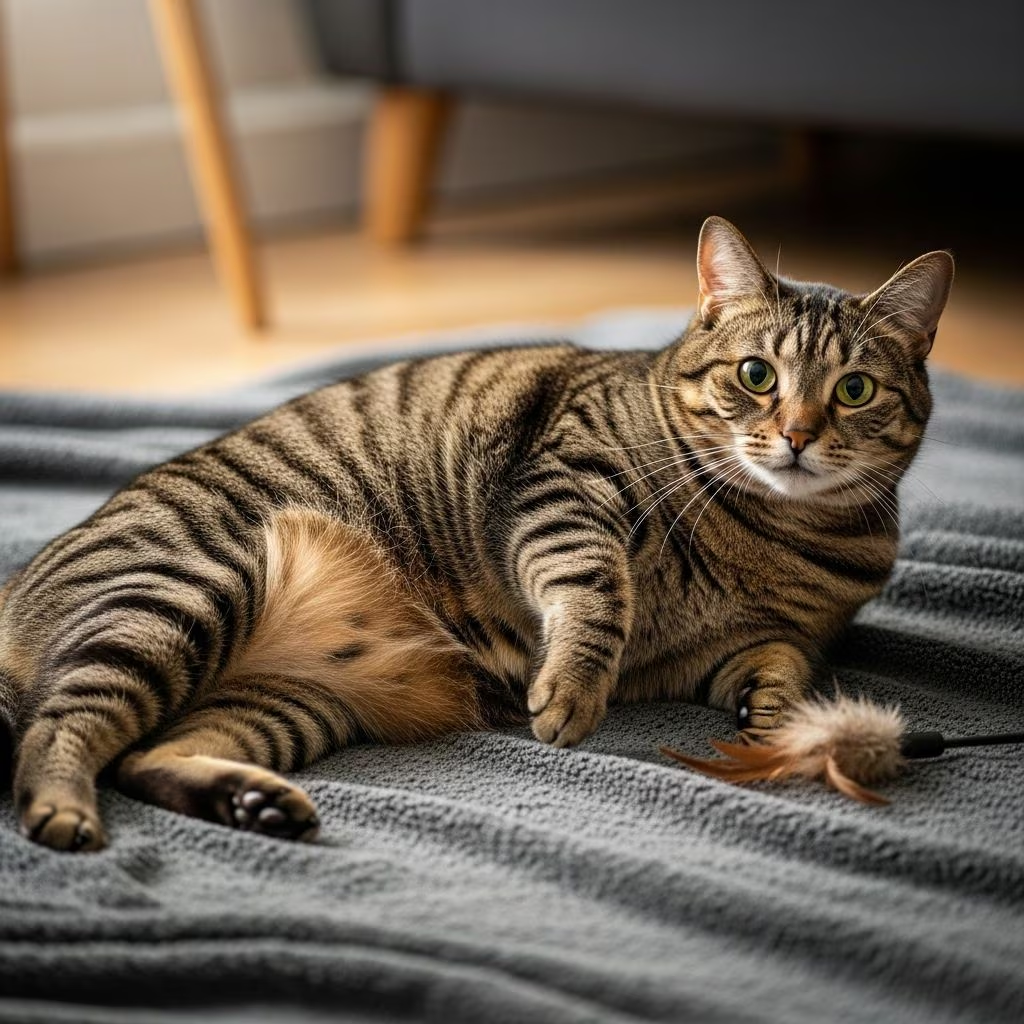
Excess weight in cats has become a widespread concern among pet owners, contributing to numerous health complications that diminish quality of life. Understanding this condition empowers guardians to intervene early, fostering a vibrant and extended lifespan for their companions.
Defining Overweight and Obesity in Cats
A cat is considered overweight when its body weight exceeds the ideal by 15-20%, while obesity occurs at 20% or more above optimal levels. Veterinary assessments rely on body condition scoring (BCS), a standardized scale from 1 to 9, where 4-5 indicates ideal, 6-7 overweight, and 8-9 obese. In obese felines, fat layers obscure palpable ribs, and there’s evident rounding of the abdomen with no waist definition when viewed from above.
Middle-aged, neutered, indoor cats face heightened susceptibility due to metabolic shifts post-surgery, reducing calorie needs by up to 30%. Breeds aren’t immune, but lifestyle factors dominate risk profiles.
Primary Contributors to Feline Weight Gain
Several interconnected elements drive cat obesity, often stemming from human habits and feline physiology.
- Overfeeding and Portion Errors: Many owners exceed bag recommendations, unaware these target intact males. Inaccurate scoops or free-feeding exacerbate intake.
- High-Carb Diets: Cats, obligate carnivores, inefficiently process carbs, converting them to fat in low-activity states. Dry kibble often dominates with carbs, unlike protein-rich wet foods.
- Inactivity: Indoor confinement curbs natural hunting instincts, leading to sedentary patterns. Neutering further dampens roaming.
- Age and Metabolism: Seniors experience slowed metabolism and reduced playfulness, amplifying calorie surplus risks.
- Medical Influences: Steroids like prednisolone or pain from arthritis indirectly promote gain by curbing movement.
Indulgent treats, table scraps, and rapid eating—prompting begging—compound these issues, unbalancing nutrition.
Spotting the Warning Signs Early
Behavioral shifts often precede visible changes. Watch for diminished vigor, prolonged sleep, reluctance to leap, or labored breathing during play. Physical cues include a distended belly contrasting skinny limbs (“pear shape”), matted fur from grooming struggles, and fat pads at the base of the tail or face.
| Body Condition Score | Characteristics | Action Needed |
|---|---|---|
| 1-3 (Underweight) | Ribs highly visible, no fat cover, sunken abdomen | Nutritional boost |
| 4-5 (Ideal) | Ribs palpable with slight fat, waist visible, tummy tuck | Maintain |
| 6-7 (Overweight) | Ribs felt with effort, no waist, abdomen rounded | Diet/exercise adjustment |
| 8-9 (Obese) | Ribs buried in fat, broad abdomen, limbs heavy | Vet intervention urgent |
Regular home checks and vet weigh-ins detect trends before escalation.
Serious Health Ramifications of Excess Weight
Obesity triggers a cascade of disorders, straining multiple systems.
- Joint and Mobility Issues: Extra pounds accelerate osteoarthritis; fat-derived leptin inflames joints, perpetuating pain and inactivity.
- Cardiovascular Strain: Heightened risk of heart disease, hypertension, and respiratory distress from fat compression.
- Metabolic Disruptions: Insulin resistance evolves into diabetes, common in fat cats due to chronic inflammation.
- Immune and Organ Compromise: Weakened defenses invite infections; liver lipidosis looms from fatty infiltration, plus urinary tract woes.
- Cosmetic and Comfort Losses: Poor grooming yields skin infections; heat intolerance and lethargy erode joy.
Collectively, these shorten lifespan and inflate vet bills, underscoring prevention’s value.
Veterinary Assessment and Diagnosis
Consult a vet for precise evaluation via BCS, weight history, bloodwork screening thyroid or diabetes, and joint exams. They tailor plans excluding underlying pathologies like hyperthyroidism mimicking obesity.
Comprehensive Strategies for Weight Reduction
Successful management blends diet overhaul, activity boosts, and monitoring.
Dietary Overhauls
- Switch to vet-prescribed, calorie-restricted formulas high in protein, low in carbs/fats, with fiber for satiety.
- Prioritize wet over dry foods to curb carbs and hydrate.
- Portion precisely using measured tools; divide into 3-4 small meals to mimic hunting.
- Phase out free-feeding; limit treats to 10% of calories, opting for veggie-based alternatives.
Incorporating Exercise
Aim for 15-30 minutes daily interactive play with wand toys, lasers, or chasers to ignite predatory drives. Puzzle feeders dispense meals slowly, merging fun with feeding. Vertical spaces like cat trees encourage climbing; supervised harness walks suit adventurers.
For painful cats, pain relief precedes activity to break the immobility cycle.
Progress Monitoring
Target 1-2% weekly loss; monthly vet check-ins adjust protocols. Apps track intake/output for accountability.
Proactive Prevention for Lifelong Health
Instill habits early: measure food lifelong, select quality nutrition matching life stage, enforce play routines, and annual vet BCS. Neutered cats demand 25% fewer calories—adjust proactively. Hydration via fountains boosts metabolism; multi-cat homes need individual portions to avert competition eating.
Frequently Asked Questions
How much should my cat weigh?
Ideal varies by frame: 8-12 lbs for average adults. Use BCS over scales for accuracy.
Can obese cats lose weight safely at home?
With vet guidance, yes—avoid crash diets risking hepatic lipidosis. Gradual 0.5-1% daily reduction is safest.
Is wet food better for weight control?
Yes, lower carbs and higher moisture aid satiety and hydration versus calorie-dense dry.
What if my cat refuses new food?
Transition over 7-10 days, mixing incrementally. Warm wet food enhances appeal; toppers add variety.
Does breed affect obesity risk?
All breeds susceptible, but Persians or Exotics may show tendencies; lifestyle trumps genetics.
Long-Term Maintenance Post-Weight Loss
Once goals met, sustain with maintenance diets, consistent exercise, and biannual checks. Reward behaviors, not food; environmental enrichment combats boredom-induced grazing.
Empowering cat owners with knowledge transforms obesity from inevitable to manageable, restoring agility and zest.
References
- Understanding Cat Obesity: Causes, Symptoms, and Solutions — Pine Point Vet. 2023. https://pinepointvet.com/understanding-cat-obesity/
- Obesity in Cats: Causes & Treatment — Northwoods Veterinary Clinic. 2024. https://northwoodsvet.com/obesity-in-cats/
- Overweight, Obesity, and Pain in Cats: Overview — VCA Animal Hospitals. 2023. https://vcahospitals.com/know-your-pet/overweight-obesity-and-pain-in-cats-overview
- Cat Obesity: Health Risks, Diet, and Prevention — GoodRx. 2024-02-15. https://www.goodrx.com/pet-health/cat/cat-obesity
- Obesity in Cats: Signs, Causes, and Treatment — PetMD. 2025. https://www.petmd.com/cat/conditions/digestive/c_ct_obesity
- Pet Obesity: Causes, Health Risks, and How to Manage It — Stevenson Village Vet. 2023. https://www.stevensonvillagevet.com/pet-obesity-causes-health-risks/
- Obesity | Cornell University College of Veterinary Medicine — Cornell Feline Health Center. 2024. https://www.vet.cornell.edu/departments-centers-and-institutes/cornell-feline-health-center/health-information/feline-health-topics/obesity



