
Cat Obesity Guide: Spot and Fix It
Learn to identify overweight cats early, understand health risks, and implement effective weight loss strategies for a healthier feline life.
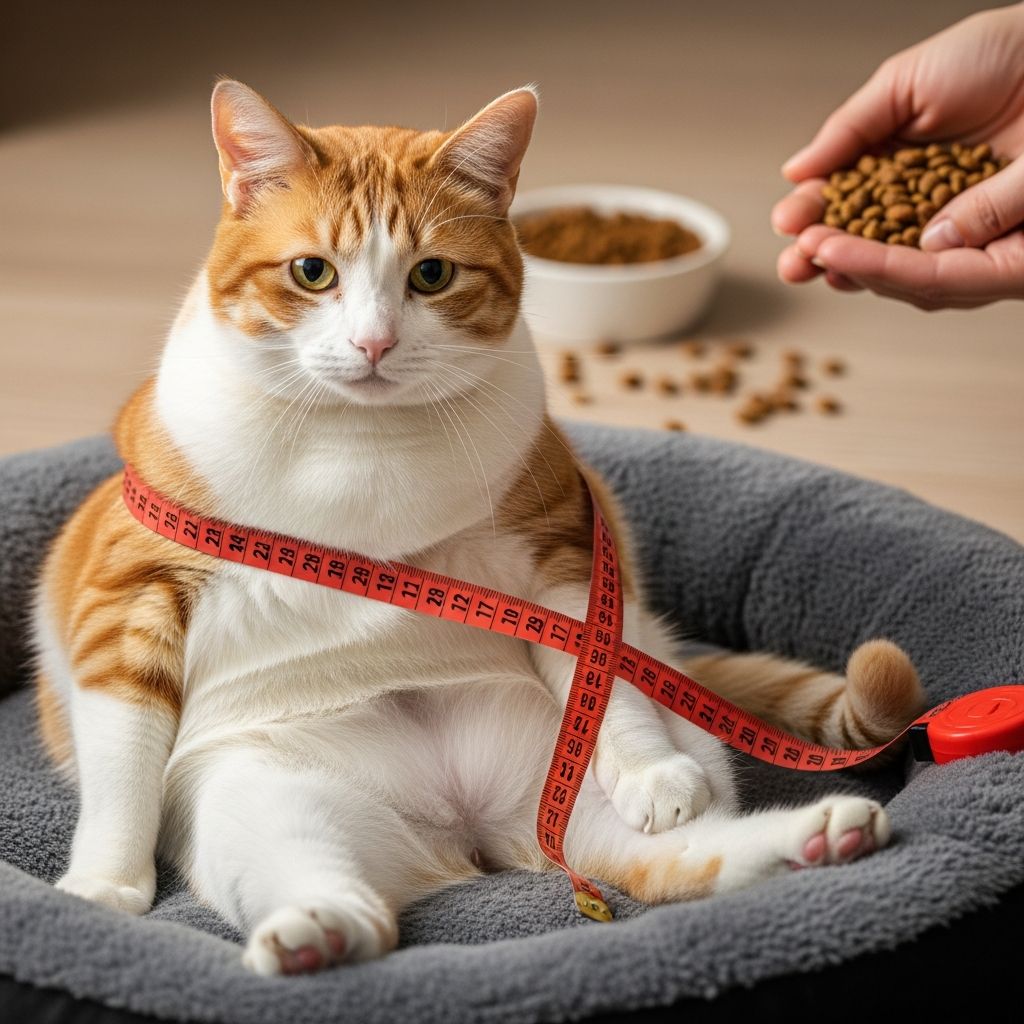
Obesity affects a significant number of domestic cats, often exceeding 20% above ideal body weight, marking it as the leading nutritional issue in felines. This condition silently progresses, leading to numerous health complications if not addressed promptly. Pet owners can play a crucial role by learning to detect early signs and adopting targeted interventions.
Why Feline Weight Gain Matters
Excess weight in cats disrupts normal physiology, straining organs and joints while promoting inflammation. Unlike simple fat accumulation, true obesity disease involves visceral fat buildup that triggers low adiponectin levels, elevated triglycerides, and increased serum amyloid A (SAA), an inflammation indicator. These metabolic shifts heighten risks for diabetes, arthritis, and cardiovascular problems, shortening lifespan and reducing quality of life.
Studies using computed tomography (CT) scans reveal that traditional body condition scores (BCS) from 5/9 to 9/9 do not always correlate with harmful visceral fat levels. Cats with BCS over 7/9 showing at least two of these markers—adiponectin below 3 μg/mL, triglycerides above 165 mg/100 mL, or SAA over 200 ng/mL—meet criteria for obesity disease diagnosis. Early recognition prevents progression to these states.
Simple Home Checks for Excess Weight
Assessing your cat’s body composition requires no special tools, just observation and touch. Start with a top-down view: a healthy cat displays a defined waistline with an hourglass profile. Overweight felines show a straight or bulging backline without this tuck.
Next, run your hands along the ribcage behind the front legs. Ribs should feel like the padding on the back of your hand—distinct but covered lightly. If they resemble the fleshy palm or require firm pressure to detect, excess fat is present. Check the abdomen for a pendulous swing and the base of the tail for thick fat pads.
- Visible waist absent: Profile looks blocky from the side.
- Ribs hard to feel: Thick layer obscures bones.
- Belly sags: Fat deposits create a rounded pouch.
- Hips not prominent: No clear pelvic outline from above.
These checks align with veterinary body condition scoring systems, ideal targets being 4-5/9 where contours are evident without prominence. Track monthly to catch gradual changes.
Behavioral Clues Your Cat Carries Extra Pounds
Beyond physical traits, lifestyle shifts signal weight issues. Obese cats tire quickly, avoiding jumps onto counters or beds, often hesitating or failing attempts. They spend more time recumbent, resisting play sessions that once excited them.
Grooming declines as flexibility wanes; unkempt fur, mats, or dandruff appear. Litter box struggles emerge—cats may avoid high-sided boxes or soil outside due to entry difficulty. Digestive signs include infrequent stools or excess gas from slowed metabolism. Collar tightening around the neck provides another tangible alert.
| Normal Behavior | Obesity Indicator |
|---|---|
| Easily leaps to high spots | Struggles or skips jumps |
| Active grooming routine | Messy, neglected coat |
| Regular play chases | Sedentary, sleeps more |
| Comfortable in litter box | Refuses or misses box |
These patterns compound, accelerating health decline. Veterinary exams confirm via palpation and often bloodwork revealing linked issues like high glucose.
Health Dangers of Feline Overweight Conditions
Obesity burdens multiple systems. Joint stress from extra load fosters osteoarthritis, evident in limping or stiffness. Diabetes risk surges as fat impairs insulin response; blood glucose elevations signal onset.
Cardiovascular strain manifests as hypertension, detectable in exams. Respiratory function suffers with fat compressing lungs, worsening during exertion. Hepatic lipidosis, a fatal liver condition, strikes obese cats on sudden food restriction.
Inflammation from visceral fat elevates SAA and lowers adiponectin, promoting systemic issues. CT-confirmed visceral accumulation correlates with hyperlipidemia, further endangering vessels. Long-term, these elevate mortality, with obese cats facing shorter lifespans.
Accurate Veterinary Diagnosis Methods
Professionals use multifaceted approaches. Body condition scoring integrates visual, tactile, and muscular assessments. Scales provide baseline weight, but ideal varies by frame size—calculate targets as 15-20% below current for moderately overweight cats.
Blood panels screen for comorbidities: elevated glucose, lipids, or liver enzymes. Advanced imaging like CT quantifies visceral vs. subcutaneous fat, crucial for obesity disease classification. For cats with BCS >7/9, biomarker tests confirm pathology if two or more thresholds met.
Muscle mass evaluation distinguishes sarcopenia from pure fat gain, common in seniors. Regular checkups enable tailored plans.
Effective Feeding Strategies for Weight Control
Diet forms the cornerstone, aiming for 1-2% weekly loss to avoid rebound or lipidosis. Measure current intake, then reduce calories by 20-30% using prescription formulas high in protein to preserve muscle.
Divide daily allotments into 4-6 small meals to curb begging and stabilize blood sugar. Wet foods excel for hydration and satiety per calorie. Transition gradually over 7-10 days to prevent refusal.
- Prioritize protein: Minimizes muscle loss during restriction.
- Control portions: Use measuring cups religiously.
- Avoid free-feeding: Prevents overconsumption.
- Incorporate veggies: Low-cal fillers like pumpkin bulk meals.
Track via weekly weigh-ins; adjust if plateauing. Supplements like omega-3s may aid inflammation.
Incorporating Play and Exercise Routines
Activity burns calories and builds appetite control. Interactive toys like laser pointers or feather wands prompt 10-15 minute sessions twice daily. Vertical spaces—cat trees, shelves—encourage climbing.
Food puzzles dispense kibble slowly, extending eating time and mental engagement. Schedule walks with harnesses for outdoor stimulation, starting short to build stamina. Consistency rebuilds muscle and enthusiasm.
Overcoming Common Weight Loss Hurdles
Multi-cat homes challenge portioning; feed separately and use microchip bowls. Begging behaviors extinguish with scheduled meals and ignored pleas. Senior cats need gentler plans, focusing on mobility aids alongside diet.
Plateaus demand recalibration—vary foods or increase play. Monitor for distress; consult vets on stalled progress. Patience yields sustainable results.
Long-Term Maintenance for a Lean Cat
Reach goal weight? Shift to maintenance calories, rechecking BCS quarterly. Annual vet visits track trends. Spay/neuter status influences metabolism—adjust accordingly.
Lifestyle integration prevents regain: fixed routines, puzzle feeders standard. Educate household on roles for unified effort.
Frequently Asked Questions
How much should my cat weigh?
Ideal varies by breed and build; vets use BCS over raw numbers. Most average 8-10 lbs, but frame matters.
Can obese cats diet safely?
Yes, with vet guidance for gradual loss avoiding hepatic lipidosis. High-protein foods protect liver and muscle.
What’s the best diet food?
Vet-recommended low-calorie, high-protein options. Wet varieties promote fullness.
How active should cats be?
Aim for 20-30 minutes daily play mimicking hunt.
Does neutering cause obesity?
It lowers metabolism; counter with portion control and activity.
References
- Diagnostic Criteria for Obesity Disease in Cats — PMC/NCBI. 2019-08-28. https://pmc.ncbi.nlm.nih.gov/articles/PMC6718553/
- Diagnostic Criteria for Obesity Disease in Cats — Frontiers in Veterinary Science. 2019-08-28. https://www.frontiersin.org/journals/veterinary-science/articles/10.3389/fvets.2019.00284/full
- Obesity in Cats: Signs, Causes, and Treatment — PetMD. N/A. https://www.petmd.com/cat/conditions/digestive/c_ct_obesity
- Is Your Cat Overweight? How to Tell and What to Do — West Loop Veterinary Hospital. N/A. https://westloopvet.com/?p=18476
- Obesity in Cats — VCA Animal Hospitals. N/A. https://vcahospitals.com/know-your-pet/obesity-in-cats
- Is My Cat Overweight? Signs & What To Do — Germantown Animal Hospitals. 2019-12-20. https://www.germantownah.com/site/blog-memphis-vet/2019/12/20/overweight-dog-signs
- Is Your Cat Overweight? The Signs & What to Do — Apple Valley Animal Hospital. 2021-10-15. https://www.applevalleyanimalhospital.com/site/blog/2021/10/15/is-your-cat-overweight-the-signs–what-to-do
- Obesity — Cornell University College of Veterinary Medicine. N/A. https://www.vet.cornell.edu/departments-centers-and-institutes/cornell-feline-health-center/health-information/feline-health-topics/obesity
Similar Articles








Read full bio of Sneha Tete




