

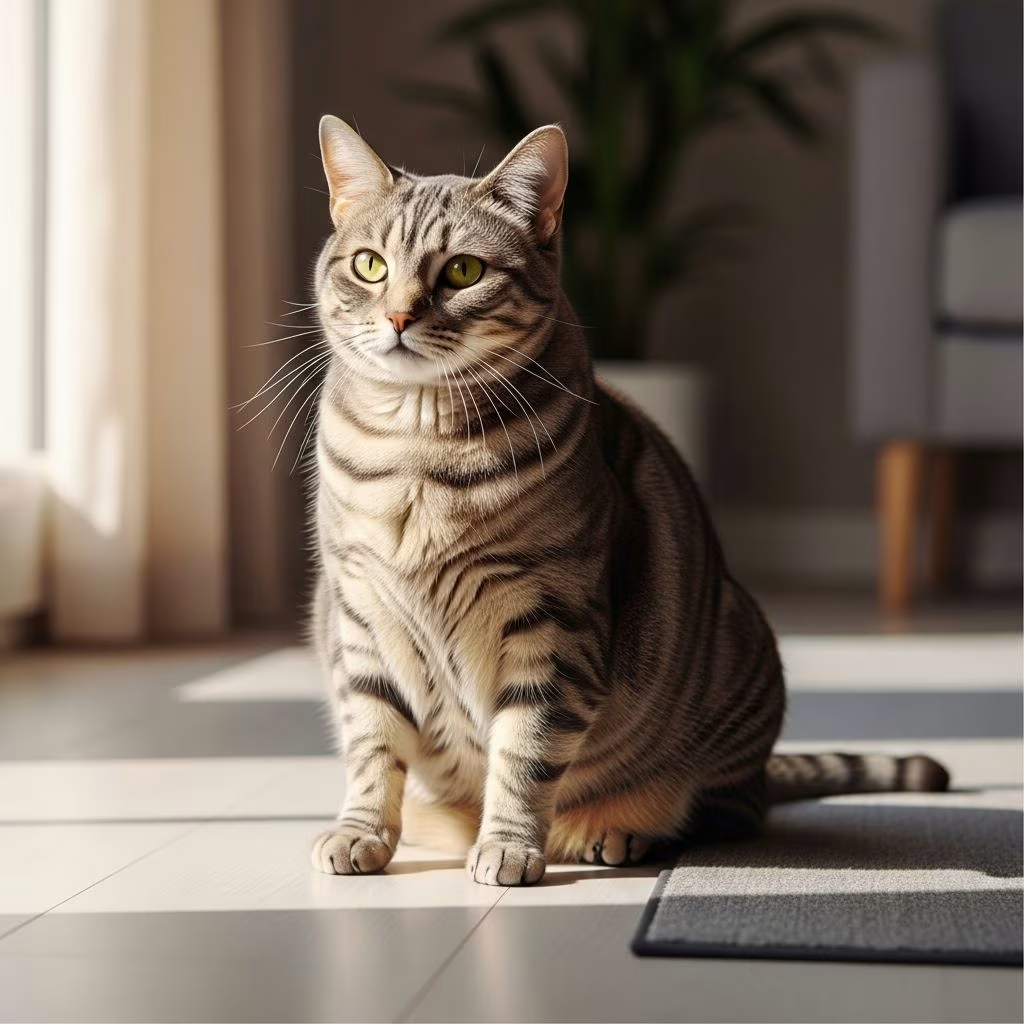
Understanding Cat Obesity: A Growing Health Concern
Obesity has become one of the most significant health challenges facing domestic cats today. Over 50% of pet cats in the United States are considered overweight or obese, making this condition a widespread concern for veterinarians and pet owners alike. What makes this situation particularly troubling is that obesity significantly impacts a cat’s quality of life, reduces life expectancy, and contributes to numerous chronic health conditions. The encouraging news is that obesity is both preventable and reversible when addressed with proper nutrition, exercise, and veterinary guidance.
The prevalence of feline obesity reflects broader changes in how cats live in modern society. Unlike their wild ancestors who hunt and roam to find food, most domestic cats now live primarily indoors with food readily available. This fundamental shift in lifestyle, combined with other factors, creates an environment where weight gain becomes almost inevitable without deliberate prevention strategies.
The Root Causes of Cat Obesity
Understanding why cats become obese requires examining multiple contributing factors. Unlike simple overeating, feline obesity typically results from a combination of lifestyle, dietary, and sometimes medical factors working together.
Lifestyle and Environmental Factors
Indoor living represents one of the most significant contributors to cat obesity. Cats that spend most or all of their time indoors have dramatically reduced opportunities for physical activity compared to outdoor cats or those with access to the outdoors. They no longer need to hunt or roam to find food, which means their daily calorie expenditure drops substantially. Additionally, middle-aged cats (8-12 years old), spayed or neutered cats, and primarily indoor cats are at significantly higher risk for becoming obese.
Dietary Contributing Factors
The type and amount of food cats consume plays a crucial role in obesity development. Over time, pet food manufacturers have gradually increased the energy density of commercial diets, meaning more calories are packed into each cup or can of food. This caloric concentration makes it easier for cats to consume excess calories without eating noticeably larger portions.
Several feeding practices directly contribute to weight gain:
– Free feeding: Leaving food available throughout the day allows cats to eat whenever they choose, often leading to overconsumption
– Rapid food consumption: Cats that eat too quickly may experience boredom and excessive begging, prompting owners to feed them more frequently
– Indulgent feeding practices: Feeding one or two large meals daily rather than smaller, frequent meals increases obesity risk and encourages begging behavior
– Excessive treats: Treats contain higher fat and calorie concentrations than regular food, quickly increasing total daily calorie intake when offered frequently
– High-carbohydrate dry foods: Dry kibble-based diets are particularly high in carbohydrates and calories, with research showing that high-carbohydrate diets directly lead to obesity
Health Conditions and Medical Factors
Certain health conditions can either directly cause weight gain or indirectly contribute to it by reducing activity levels. Pain-related conditions such as arthritis slow a cat’s activity, leading to weight gain as calorie expenditure decreases. Other medical conditions and even some medications can contribute to weight gain, though these typically require veterinary assessment to identify and address.
Recognizing Obesity in Your Cat
Early recognition of weight problems allows for intervention before obesity becomes severe. Owners should watch for both physical and behavioral signs of excess weight.
Physical Symptoms
Several visible indicators suggest a cat may be overweight or obese:
– Unable to feel rib bones or hip bones through the belly fat
– Loss of a visible waistline when viewed from above
– Flat or rectangular-appearing back when viewed from overhead rather than having a defined waist
– Noticeably round or bloated abdomen
– Heavy fat deposits over the lumbar area, face, and limbs
– Inability to see a discernible waist from any angle
– Collar becoming progressively tighter over time
Behavioral Symptoms
Behavioral changes often appear before dramatic weight gain becomes visually obvious. These behavioral indicators include reduced energy and activity levels, sleeping significantly more than normal, and difficulty with grooming and self-care. Obese cats frequently show reluctance to engage in physical activity and may have difficulty with previously simple tasks.
Functional Impairments
As obesity progresses, cats develop difficulty with normal physical activities. These functional changes include trouble walking, jumping, or climbing stairs, difficulty getting on and off furniture, and increased joint pain or arthritis symptoms. Some cats develop less frequent bowel movements and increased gas, reflecting digestive changes associated with weight gain.
Serious Health Risks Associated with Obesity
The health consequences of feline obesity are extensive and often severe. Excess weight creates a cascade of physiological changes that increase susceptibility to multiple serious diseases.
Metabolic and Endocrine Disorders
Type 2 diabetes represents one of the most common obesity-related conditions in cats. Obese cats are three times more likely to develop this serious disease compared to cats at normal weight. Obesity contributes to diabetes through insulin resistance, where the cat’s body becomes less responsive to insulin, ultimately requiring long-term management.
Joint and Orthopedic Problems
Extra weight places increased strain on joints, leading to painful arthritis and mobility issues that significantly reduce quality of life. Beyond mechanical wear and tear, fat tissue itself is biologically active, secreting hormones and chemicals that cause inflammation throughout the body. This inflammatory response perpetuates joint damage and chronic pain in a destructive cycle.
Cardiovascular Complications
Obesity directly contributes to high blood pressure and cardiovascular disease in cats. Increased body fat stresses the heart and circulatory system, potentially leading to heart failure and other serious cardiac complications.
Urinary and Digestive Issues
Overweight cats experience increased risk of urinary tract infections, bladder stones, and urinary blockages, some of which can become life-threatening medical emergencies. Chronic kidney disease can also be accelerated by excess weight straining kidney function.
Additional Health Risks
The health complications extend beyond these primary conditions. Obese cats face increased risk of hepatic lipidosis (fatty liver disease), which can become life-threatening if an obese cat suddenly stops eating. Additionally, obesity is associated with some forms of cancer, a weakened immune system, and general reduction in life expectancy.
Prevention: The Best Medicine
Prevention of obesity is significantly more effective and easier than treating established obesity. Several key strategies help prevent weight gain.
Portion Control and Feeding Management
Monitoring and controlling portion sizes forms the foundation of obesity prevention. Rather than free feeding, establish scheduled meal times with measured portions appropriate for your cat’s age, activity level, and current weight. Multiple smaller meals throughout the day work better than one or two large meals.
Dietary Choices
Selecting appropriate food makes a substantial difference. Lower-carbohydrate and higher-protein diets are generally recommended for cats, as their natural diet consists primarily of protein. Canned foods often contain fewer calories and carbohydrates than dry kibble, making them preferable for weight management.
Physical Activity and Enrichment
Regular physical activity burns calories and maintains muscle mass. Daily play sessions, supervised outdoor time, and interactive enrichment prevent boredom while increasing calorie expenditure. Puzzle feeders and interactive toy feeders simultaneously provide enrichment and slow eating pace, reducing overall calorie intake.
Treat Management
Treats should comprise no more than 10% of daily calorie intake. Choose healthy treat options and limit frequency to prevent excessive calorie consumption.
Treatment Options for Obese Cats
For cats that have already become obese, several treatment approaches can reverse the condition and restore normal body weight.
Dietary Intervention
Weight management typically begins with dietary changes. Calorie-restricted foods specifically formulated for weight loss help cats feel full while maintaining a calorie deficit. These specialized diets generally contain high protein and insoluble fiber to promote satiety while protecting lean muscle mass during weight loss. Low-carbohydrate formulations are preferred, and prescription metabolic diets designed specifically for feline weight loss may be recommended by your veterinarian.
Gradual Dietary Transition
When switching foods, gradual transition is essential. Abruptly changing diet can cause digestive upset and resistance to eating the new food. A slow, week-long transition mixing increasing proportions of new food with the previous diet allows the digestive system to adjust.
Activity Increase
Increasing physical activity complements dietary changes. Daily play sessions, interactive toys, and environmental enrichment encourage movement and calorie expenditure. For some cats, supervised outside time or leash training provides additional activity opportunities.
Veterinary Monitoring
Regular veterinary check-ups during weight loss help monitor progress, ensure the cat receives appropriate nutrition, and adjust strategies as needed. Your veterinarian can provide specific recommendations tailored to your individual cat’s health status and needs.
The Reversibility of Obesity
Perhaps the most encouraging aspect of feline obesity is that it is reversible. Even if a cat is already overweight or obese, the disease can be reversed, normal body condition can be restored, and life expectancy can return to normal with appropriate intervention. This means that the health damage associated with obesity is not necessarily permanent, provided owners take action to address the problem.
Long-Term Success Strategies
Achieving and maintaining healthy weight requires ongoing commitment. Consistency with portion control, continued physical activity encouragement, and regular veterinary monitoring help ensure long-term success. Environmental modifications that reduce access to excessive food and encourage natural behaviors support sustained weight management.
Frequently Asked Questions About Cat Obesity
Q: Can a specific cat breed be more prone to obesity?
A: All cat breeds can become obese. However, middle-aged, spayed or neutered, and primarily indoor cats regardless of breed are at higher risk.
Q: How quickly can a cat safely lose weight?
A: Cats should lose weight gradually under veterinary supervision. Rapid weight loss can lead to complications. Your veterinarian can recommend an appropriate weight loss timeline for your specific cat.
Q: Is my cat’s obesity genetic?
A: Obesity in cats is not primarily genetic. It results from the balance between calories consumed and calories expended. Environmental and dietary factors play the dominant role.
Q: Can medications help my cat lose weight?
A: While some medications may help manage underlying conditions contributing to weight gain, weight loss primarily requires dietary management and increased activity. Discuss medication options with your veterinarian.
Q: How long does it take to see weight loss results?
A: With consistent dietary management and increased activity, cats typically begin showing weight loss within 2-4 weeks, though individual results vary. Your veterinarian can track progress during regular check-ups.
Q: What if my cat refuses the new diet food?
A: Gradual transition, mixing the new food with familiar food, and working with your veterinarian to find an acceptable option help overcome food resistance. Patience and consistency are essential.
References
- Understanding Cat Obesity: Causes, Symptoms, and Solutions — Pinepoint Veterinary Clinic. 2024. https://pinepointvet.com/understanding-cat-obesity/
- Cat Obesity: Health Risks, Diet, and Prevention — GoodRx. 2024. https://www.goodrx.com/pet-health/cat/cat-obesity
- Obesity in Cats: Signs, Causes, and Treatment — PetMD. 2024. https://www.petmd.com/cat/conditions/digestive/c_ct_obesity
- Feline Obesity: The Health Risks and How to Help Your Cat Lose Weight — Parker Veterinary Hospital. 2024. https://parker-vet.com/feline-obesity-the-health-risks-and-how-to-help-your-cat-lose-weight/
- Overweight, Obesity, and Pain in Cats: Prevention and Action Plans — VCA Hospitals. 2024. https://vcahospitals.com/know-your-pet/overweight-obesity-and-pain-in-cats-prevention-and-action-plans
- Obesity — Cornell University College of Veterinary Medicine. 2024. https://www.vet.cornell.edu/departments-centers-and-institutes/cornell-feline-health-center/health-information/feline-health-topics/obesity



