

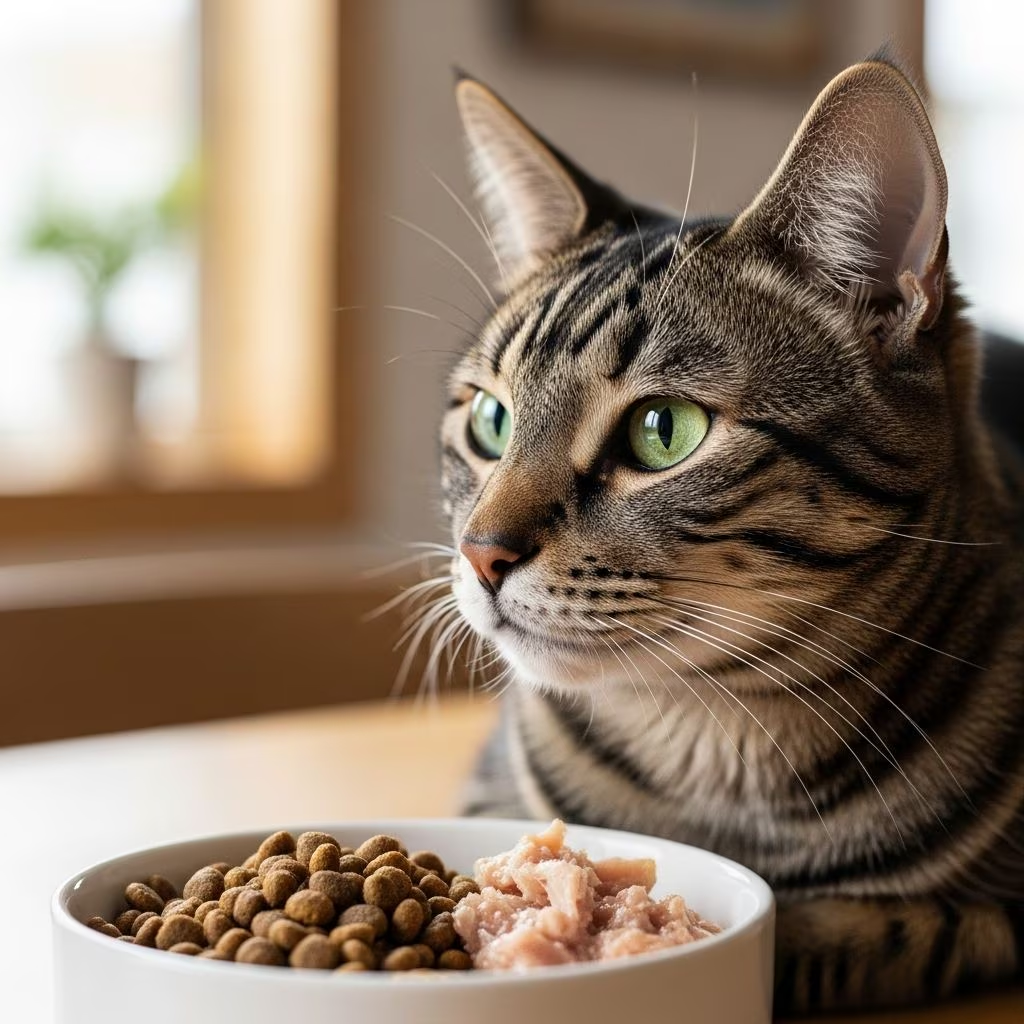
Cats are obligate carnivores, meaning their health depends on a diet rich in animal-based proteins and specific nutrients like taurine. Providing the right nutrition supports muscle growth, heart function, vision, reproduction, and overall vitality. High-quality commercial cat foods formulated to meet feline needs ensure complete balance without guesswork.
Nutrients Your Cat Needs
Nutrients from food provide energy and support metabolic functions for maintenance and growth. Cats require six essential classes: proteins, fats, carbohydrates, vitamins, minerals, and water. Commercial pet foods are designed with these standards, supplying all needs unless a vet advises otherwise for special conditions.
Proteins
Proteins are vital for growth, repair, and energy. Animal-based proteins offer complete amino acid profiles, unlike incomplete plant sources like vegetables or soy. Essential amino acids—arginine, methionine, histidine, phenylalanine, isoleucine, threonine, leucine, tryptophan, lysine, valine, and taurine—must come from diet as cats cannot synthesize them sufficiently.
**Taurine** is critical for cats, preventing eye and heart disease, supporting reproduction, fetal growth, and survival. Found only in animal products like meat, eggs, and fish, all cats need meat-based diets.
Fats
Fats deliver concentrated energy and aid absorption of fat-soluble vitamins. Essential fatty acids, which cats cannot produce enough of, include linoleic acid and arachidonic acid (omega-6). These maintain skin, coat, kidney function, and reproduction. Omega-3 and omega-6 also reduce inflammation.
In the wild, a mouse—a natural cat meal—offers about 50% fat, 40% protein, and minimal carbs, mirroring ideal ratios.
Carbohydrates
Cats do not require carbohydrates as they derive energy from protein and fat. However, moderate carbs provide fiber for digestion. Highly fermentable fiber benefits gut health, but high-fiber foods suit low-energy needs, not growing kittens. Cats have limited carb-digesting enzymes compared to dogs.
Vitamins and Minerals
Vitamins act as enzyme catalysts for metabolism; most cannot be synthesized by cats. Minerals support bones, teeth, and bodily functions. Balanced diets meet these needs.
Water
Fresh, clean water is essential daily. Clean bowls prevent dehydration and health issues. Wet foods boost hydration.
Feeding Kittens
Kittens need 2-3 times more energy than adults and 30% from protein. Use kitten-specific formulas until one year old. At 80-90% of adult size by six months, transition gradually.
- 8 weeks: 3-5 meals/day.
- Free-choice feeding suits dry kitten food (doesn’t spoil); canned works with portioning.
Monitor growth; adjust for activity.
Feeding Adult Cats
Adults require nutrients for energy, tissue maintenance based on size and activity. Divide daily label amount into two meals, 8-12 hours apart. Avoid free-feeding to prevent obesity.
- Mix wet (1-2 small servings/day) and dry for variety, controlling calories.
- Adjust for weather extremes increasing energy needs.
- Weigh regularly; vet check for sudden changes.
All cats need taurine-rich meat diets.
Feeding Senior Cats
Seniors (7+ years) face reduced metabolism, kidney issues, arthritis. Opt for senior formulas with joint support (glucosamine), kidney-friendly protein, and antioxidants. Higher fiber aids digestion; omega fatty acids benefit skin/coat.
Portion control prevents weight gain. Wet food helps hydration amid lower thirst drive. Consult vets for tailored needs.
Types of Cat Food
Choose complete, balanced, feline-specific commercial foods.
| Type | Pros | Cons | Best For |
|---|---|---|---|
| Dry (Kibble) | Convenient, dental benefits, free-choice ok for kittens | Lower moisture; encourage drinking | Adults, multi-cat homes |
| Wet (Canned) | High moisture, palatable, protein-rich | Costlier, spoils quickly | Hydration needs, picky eaters |
| Semi-Moist | Tasty, no refrigeration | Often higher carbs/sugar | Occasional use |
Premium brands prioritize meat; avoid poor-quality with fillers.
Treats and Feeding Tips
Treats ≤5% daily intake; rest from complete food.
- Consistency: Same times daily.
- Portions: Follow labels, adjust for weight/activity.
- Monitor: Body condition score, appetite, weight.
- Avoid people foods: chocolate, grapes, etc..
Nutritional Supplements for Cats
Balanced foods suffice, but supplements aid specific issues.
- Fish oil: Skin/coat, inflammation.
- Probiotics: Digestion.
- Joint support: Seniors/mobility.
- Immune boosters: As needed.
Consult vet before adding.
Frequently Asked Questions (FAQs)
Do cats need taurine supplements?
No, complete cat foods include taurine. Deficiencies cause heart/eye issues; stick to AAFCO-approved foods.
Wet or dry food better?
Both ok if balanced. Wet aids hydration; dry convenient. Mix for benefits.
How often feed kittens?
3-5 times/day at 8 weeks; reduce to 2 by 6 months.
Can cats eat dog food?
No, lacks taurine, higher carbs harm felines.
When switch to adult food?
Around 1 year; gradual over 7-10 days.
Supplements necessary?
Rarely; vet-recommended only for issues like joints or digestion.
This guide ensures your cat gets optimal nutrition. Always vet consult for health changes.
References
- Cat Nutrition | ASPCA® Pet Health Insurance — ASPCA Pet Insurance. 2023. https://www.aspcapetinsurance.com/resources/cat-nutrition/
- General Cat Care | ASPCA — ASPCA. 2023. https://www.aspca.org/pet-care/cat-care/general-cat-care
- Shelter Nutrition for Cats and Dogs | ASPCApro — ASPCApro. 2023-06. https://www.aspcapro.org/topics-shelter-medicine-intake-preventive-care/shelter-nutrition-cats-and-dogs
- Cat Nutrition Tips – ASPCA — ASPCA. 2023. https://www.aspca.org/pet-care/cat-care/cat-nutrition-tips
- Cat Nutrition – San Francisco SPCA — SF SPCA. 2023. https://www.sfspca.org/resource/cat-nutrition/



