

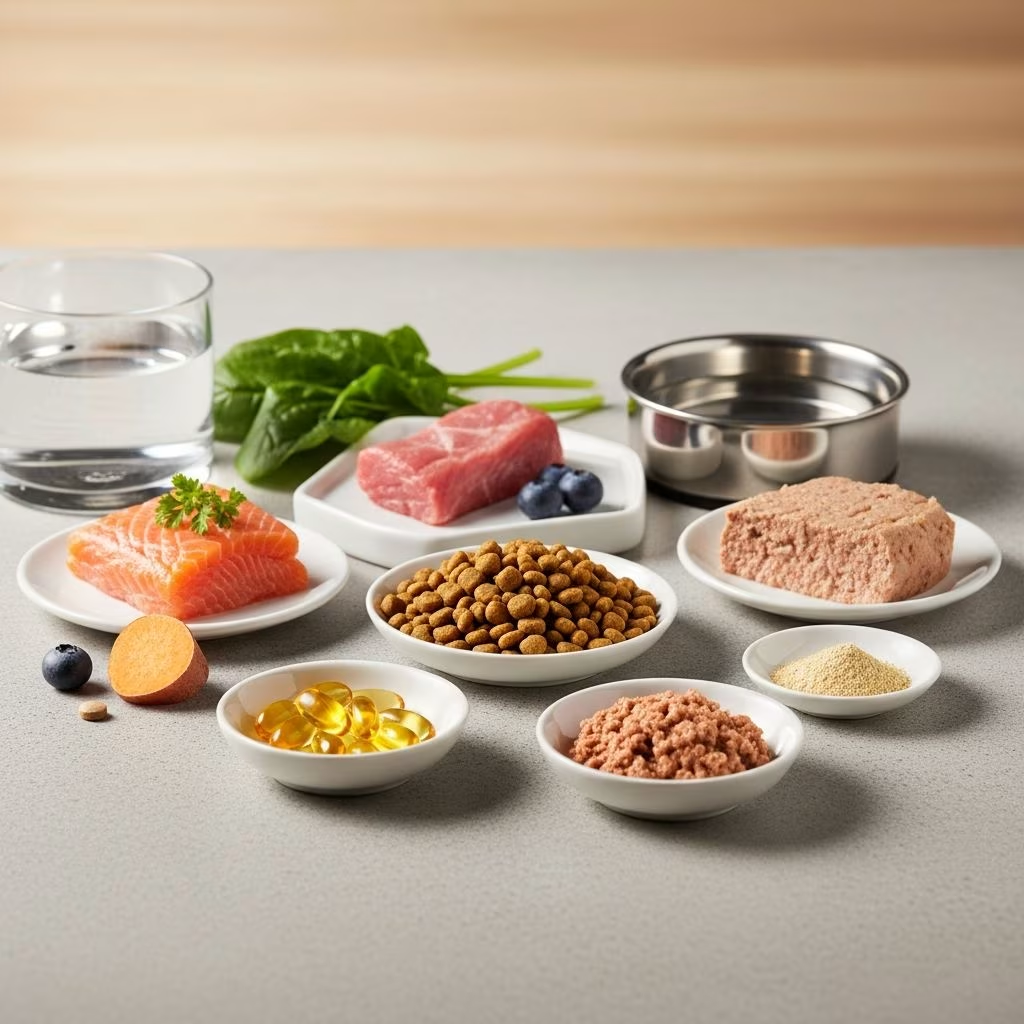
Cat Nutrition: Complete Guide to Feeding Your Feline
Providing proper nutrition is one of the most important responsibilities of cat ownership. A well-balanced diet supports your cat’s health, energy levels, immune function, and longevity. Understanding your cat’s unique nutritional needs and how they change throughout different life stages is essential for maintaining optimal feline health. This comprehensive guide covers everything you need to know about cat nutrition, from selecting quality food to adjusting portions based on age and health status.
Understanding Feline Nutritional Needs
Cats are obligate carnivores, meaning they require nutrients found exclusively in animal products to thrive. Unlike dogs and humans, cats have evolved as hunters consuming prey rich in protein and moderate amounts of fat, with minimal carbohydrates—typically only about 1-2 percent of their natural diet. This biological reality shapes every aspect of feline nutrition and must be considered when selecting commercial cat foods.
The fundamental nutritional philosophy for cats differs significantly from other pets. Cats require a diet rich in high-quality fats and proteins, along with specific amino acids, particularly taurine, that aren’t found in dog food or human food. These requirements aren’t merely preferences but biological necessities for proper organ function, energy production, and overall wellness.
Essential Nutrients for Optimal Cat Health
Protein: The Foundation of Feline Nutrition
Protein is the cornerstone of proper cat nutrition. The Association of American Feed Control Officials (AAFCO) mandates that cat food for adult maintenance contain a minimum of 26% crude protein on a dry matter basis, with 30% minimum for growth and reproduction. However, premium cat foods typically contain 30% or more protein content to align with cats’ natural dietary requirements.
When evaluating cat food, protein quality should be your primary focus. Look for specific animal proteins listed as the first ingredient, such as chicken, salmon, turkey, or duck. Quality animal proteins provide complete amino acid profiles necessary for health and energy levels that plant proteins cannot match. The biological completeness of animal-based proteins makes them vastly superior to plant-derived alternatives for obligate carnivores.
Fats and Essential Fatty Acids
While proteins are an important energy source for cats, fat is the most energy-rich nutrient in the diet. Fats serve multiple critical functions beyond energy provision. They act as transport molecules and help conduct nerve impulses throughout the body. Essential omega-3 and omega-6 fatty acids are particularly important for skin and coat health, wound healing, and managing inflammation.
A balanced fat content supports your cat’s immune system and promotes healthy skin and fur development. The right fat ratio ensures your cat maintains proper body weight while receiving adequate energy for daily activities.
Vitamins: Metabolic Support Systems
Vitamins are organic compounds necessary in small amounts for proper feline metabolism. Without adequate vitamins, many enzymes essential for normal metabolic processes cannot function effectively. According to AAFCO standards, cat foods must contain the following key vitamins:
- Vitamin A: Important for vision, bone and tooth growth, reproduction, and maintenance of skin and mucous membranes
- Vitamin D: Increases blood calcium and phosphorous levels to support growth and maintenance of bones
- Niacin: Necessary for processing fats, carbohydrates, and protein
- Pyridoxine: Helps metabolize amino acids, glucose, and fatty acids
- Folic Acid: Needed for synthesis of DNA and the amino acid methionine
- Biotin: Helps make fatty acids, some amino acids, and DNA/RNA
- Vitamin B12: Required for fat and carbohydrate metabolism and nerve conduction
- Choline: Essential as a neurotransmitter, as part of cell membranes, and for lipid transport
Vitamins are found naturally in many cat food ingredients, including animal tissues, vegetables, fruits, vegetable oils, seeds, and grains. However, it is almost impossible to provide all the vitamins a cat needs at precisely the right levels without including a vitamin supplement in the manufacturing process.
Minerals: Building Blocks for Health
Minerals are inorganic compounds that play critical roles in bone development, metabolic function, and overall health. AAFCO requires the following minerals to be present in cat food in sufficient amounts:
- Calcium and Phosphorus: Vital for the growth and maintenance of bones and teeth and essential to normal metabolism
- Iron: Needed for oxygen transport throughout the body
- Copper: Plays roles in iron absorption and transport, skin pigmentation, and skeletal growth
- Manganese: Important for metabolism, immune function, and bone formation, as well as acting as an antioxidant
- Zinc: Necessary for carbohydrate, lipid, protein, and nucleic acid metabolism
- Iodine: Needed to make thyroid hormones
- Selenium: An important antioxidant that works in conjunction with vitamin E
Amino Acids: Special Considerations
Cats require more than a dozen other nutrients beyond proteins, fats, vitamins, and minerals, including specific amino acids. Taurine and arginine are essential amino acids that cats cannot synthesize independently and must obtain from their diet. These amino acids are found almost exclusively in animal products, reinforcing the importance of animal-based proteins in feline diets.
Carbohydrates: A Minimal Component
While cats don’t require carbohydrates the same way other animals do, quality carbohydrates can provide valuable nutrients and fiber when used appropriately in cat food recipes. However, cats have a limited ability to process carbohydrates. In the wild, cats consume only approximately 1-2 percent of their diet consisting of carbohydrates, while the average dry food contains 35-50 percent carbohydrate calories.
When carbohydrates are included in cat food, look for whole food sources like sweet potatoes or peas rather than corn, wheat, or generic fillers. The goal is to find nutrition that uses carbohydrates as functional ingredients rather than cheap fillers that provide calories without meaningful nutritional value.
Feeding Guidelines by Life Stage
Kitten Nutrition and Feeding
Kittens are in their most intensive growth phase, requiring specialized nutrition and feeding schedules. Kittens need extra calories, fats, proteins, vitamins, and minerals to support their rapid growth and development. They typically require up to three times the adult caloric intake, translating to approximately 250-280 calories per pound of body weight.
Premium kitten food contains high protein levels to support rapid growth, plus the optimal balance of calcium and phosphorus for healthy bone development. Quality kitten formulas also include DHA, an omega-3 fatty acid essential for brain and eye development during these critical early months.
Kitten Feeding Schedule: Most young cats thrive on 3-4 meals per day, which helps maintain their energy levels and supports their fast-growing bodies throughout their incredibly active days. For kittens less than 4 months old, feeding should occur 3-4 times daily. More frequent feeding also helps prevent hypoglycemia, a condition related to glucose storage that can sometimes affect young, energetic kittens. Kittens should continue eating kitten food until they reach adulthood, at about 9-12 months old.
Adult Cat Nutrition
Adult cats generally need 20-30 calories per pound of body weight daily. For a typical 10-pound adult cat, this means approximately 200-300 calories per day for maintenance. This translates to about 1/3 cup of dry food or 3.5 ounces of wet food per day.
Feeding Schedule: Adult cats should be fed twice daily for optimal digestion. Consistency in feeding times helps maintain healthy digestion and weight. This twice-daily schedule aligns with natural feline feeding patterns and supports metabolic health.
Senior Cat Nutrition
Older cats typically require fewer calories due to decreased activity levels. A 10-pound senior cat typically requires 180-220 calories daily, slightly less than their adult counterparts. As cats age, their metabolic rates naturally slow, requiring dietary adjustments to maintain healthy body weight.
Senior Feeding Considerations: Smaller, more frequent meals may be beneficial for senior cats. Feeding senior cats 2-3 smaller meals daily can aid digestion and nutrient absorption. Additionally, portions should be adjusted based on individual health conditions, which become more prevalent with age. Regular consultation with your veterinarian helps ensure senior nutrition meets your aging cat’s specific needs.
Choosing High-Quality Cat Food
Reading Labels and Ingredient Quality
When selecting cat food, carefully examine the ingredient list and nutritional information. Commercial cat foods should be formulated to be nutritionally balanced and complete, rather than homemade diets, which are often deficient in key essential vitamins and minerals. Look for foods that list specific animal proteins as the first ingredients and avoid those relying heavily on plant-based proteins or by-products.
Premium formulations typically provide superior nutrient bioavailability, meaning your cat’s digestive system can more efficiently absorb and utilize the nutrients provided. This results in better health outcomes and often reduced waste output compared to lower-quality alternatives.
Wet Food vs. Dry Food
Both wet and dry cat foods have distinct advantages. Wet food provides higher moisture content, supporting urinary tract health and hydration, while dry food offers convenience and potential dental benefits. Many cat parents find success with combination feeding—offering both wet and dry food to provide the benefits of both options. This approach can help ensure adequate hydration while providing the convenience and potential dental benefits of dry food.
Dietary Adjustments for Special Circumstances
Spayed or Neutered Cats
Spaying and neutering significantly affect a cat’s metabolic rate and caloric requirements. Reduce portions by 20-30% after spaying or neutering. This adjustment accounts for the hormonal changes that affect appetite and metabolism. Without proper portion control, spayed and neutered cats are at higher risk of obesity and related health complications.
Overweight Cats
For overweight cats, consult your veterinarian for a specific weight loss plan, typically reducing daily calories by 15-20% while maintaining nutritional requirements. Gradual, medically-supervised weight loss is safer than rapid changes and more likely to result in lasting weight management. Your veterinarian can recommend appropriate food formulations and feeding schedules tailored to your cat’s specific weight loss needs.
Frequently Asked Questions
Q: What should be the primary ingredient in cat food?
A: Look for specific animal proteins listed as the first ingredient, such as chicken, salmon, turkey, or duck. Quality animal proteins provide complete amino acid profiles necessary for health and energy levels that plant proteins cannot match. These should be sourced from identifiable meat sources rather than vague by-products.
Q: How can I determine if my cat food is nutritionally complete?
A: Check for AAFCO certification, which indicates the food meets established nutritional standards. Adult maintenance foods should contain minimum 26% crude protein on a dry matter basis, with higher levels for growth and reproduction. Reading the guaranteed analysis on the label helps verify nutrient levels.
Q: Can cats eat homemade diets?
A: While some cats may eat homemade food, it’s challenging to formulate nutritionally Balanced homemade diets without professional guidance. Homemade diets are often deficient in key essential vitamins and minerals. Consult your veterinarian if you prefer homemade feeding to ensure your cat receives complete and balanced nutrition.
Q: How do I transition my cat to new food?
A: Gradual transitions typically occur over 7-10 days, mixing increasing amounts of new food with existing food. Abrupt dietary changes can cause gastrointestinal upset. Slower transitions allow your cat’s digestive system to adjust to the new food’s ingredients and nutrient profile.
Q: What’s the difference between wet and dry cat food?
A: Wet food provides higher moisture content supporting hydration and urinary health, while dry food offers convenience and potential dental benefits. Many cats benefit from combination feeding, receiving both wet and dry options to maximize hydration while maintaining convenience and dental benefits.
Q: Do cats need supplements if eating quality commercial food?
A: Quality commercial cat foods formulated to AAFCO standards provide complete nutrition without additional supplementation for most healthy cats. However, some cats with specific health conditions may benefit from targeted supplements recommended by your veterinarian.
Conclusion
Proper cat nutrition is fundamental to your feline companion’s health, happiness, and longevity. By understanding your cat’s unique nutritional requirements as an obligate carnivore, selecting high-quality foods rich in animal proteins and essential nutrients, and adjusting portions based on life stage and individual circumstances, you provide the foundation for optimal wellness. Remember that every cat is unique, with individual preferences and health considerations. Regular consultations with your veterinarian ensure your feeding approach aligns with your cat’s specific needs, supporting a long and vibrant life together.
References
- Complete Cat Feeding Chart Guide for Optimal Health — PetsCare.com. 2025. https://www.petscare.com/news/post/complete-cat-feeding-chart-guide
- The Ultimate Guide to Choosing the Right Cat Food — Nulo. 2025. https://nulo.com/blogs/nutrition/the-ultimate-guide-to-choosing-the-right-cat-food
- Feeding Your Cat — Cornell University College of Veterinary Medicine. 2024. https://www.vet.cornell.edu/departments-centers-and-institutes/cornell-feline-health-center/health-information/feline-health-topics/feeding-your-cat
- Proper Nutrition for Cats — Merck Veterinary Manual. 2024. https://www.merckvetmanual.com/cat-owners/selecting-and-providing-a-home-for-a-cat/proper-nutrition-for-cats
- Cat Nutrition: What Makes a Nutritional Cat Food? — PetMD. 2024. https://www.petmd.com/cat/nutrition/cat-nutrition-what-makes-nutritional-cat-food
- All About Cats Feline Nutrition Guide — Almost Home Cat Rescue Milwaukee. 2023. https://almost-home-cat-rescue-mke.squarespace.com/s/All-About-Cats-Feline-Nutrition-Guide_with-links.pdf
- Feeding Your Cat: Know the Basics of Feline Nutrition — CatInfo.org. 2024. https://catinfo.org



