

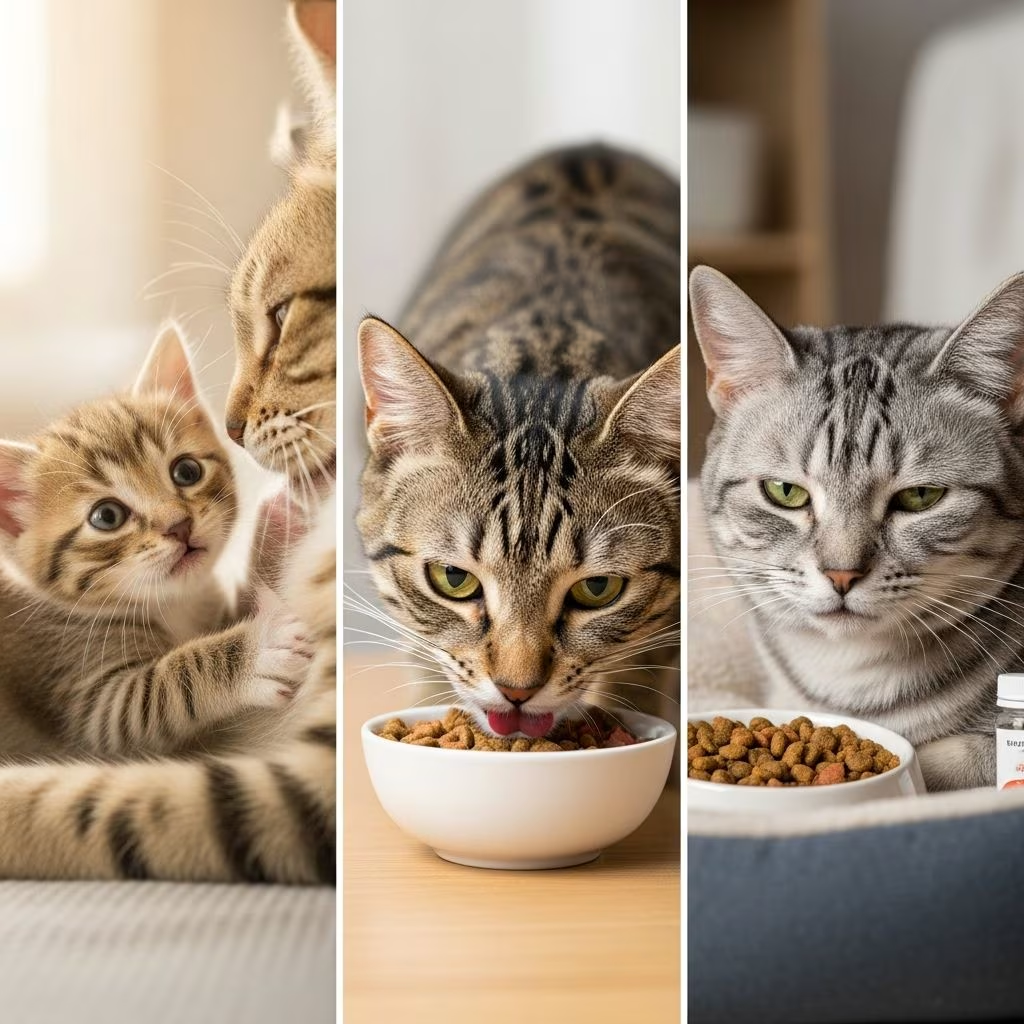
Cats experience distinct physiological changes throughout their lives, each demanding specific nutritional support to promote health, growth, and longevity. From high-energy kitten formulas rich in proteins and fats to calorie-controlled senior diets aiding joint mobility, understanding these needs ensures your feline companion thrives at every phase.
Understanding Feline Life Stages and Dietary Shifts
A cat’s life can be divided into key phases: kittenhood (birth to 12 months), adulthood (1-7 years), reproduction (pregnancy and lactation), and senior years (7+ years). Each stage influences metabolism, energy demands, and nutrient requirements. For instance, kittens grow rapidly, doubling their birth weight in weeks, while seniors face reduced activity and organ function declines. Veterinary guidelines from bodies like AAFCO emphasize stage-specific formulations to prevent deficiencies in essential amino acids like taurine or arachidonic acid, unique to cats as obligate carnivores.
Failure to match food to life stage risks issues like stunted growth in kittens or obesity in adults. All-life-stages foods exist but may overfeed kittens or undernourish lactating queens due to averaged nutrient profiles.
Nutritional Foundations for All Cats
Regardless of age, cats require high-quality animal-based proteins providing 11 essential amino acids, including arginine and taurine for heart and eye health. Unlike dogs, felines cannot convert plant precursors to vitamin A, niacin, or arachidonic acid, necessitating preformed sources. Minimum protein levels per AAFCO: 30% dry matter for growth/reproduction, 26% for maintenance. Fats supply energy and essential fatty acids like DHA for brain development, while balanced calcium-phosphorus ratios (ideally 1:1 to 1.5:1) support bones.
- Protein: Primary energy source; higher needs in growth phases.
- Fats: Aid absorption of vitamins A, D, E, K; crucial for skin/coat.
- Taurine: Prevents blindness and cardiomyopathy.
- Fiber: Moderate levels promote gut health and satiety.
Kitten Nutrition: Fueling Rapid Growth
Weaning at 4-8 weeks marks the shift to solid food. Kittens need frequent, nutrient-dense meals—up to 5 daily until 6 months—as their small stomachs limit intake despite high caloric demands (2-3x adult levels). Growth formulas boast 30-45g protein per 1,000 kcal, elevated fats (20-30%), and DHA for neural/ocular development.
Calcium and phosphorus at 1.2-1.5% support skeletal expansion, with vitamin D enhancing absorption. By 6-12 months, transition to junior/adult blends as growth slows. Overfeeding risks obesity; monitor body condition.
| Age | Meals/Day | Key Additives |
|---|---|---|
| 8 weeks-4 months | 4-5 | DHA, high protein/fat |
| 4-6 months | 3-4 | Calcium, taurine |
| 6-12 months | 2-3 | Balanced energy |
Adult Cat Diets: Maintenance and Vitality
Prime adulthood (1-7 years) focuses on weight control and organ health. Active cats burn more calories; sedentary ones risk fat gain. Aim for 65g protein/1,000 kcal, moderate fats (10-20%), and fiber for microbiome support. Vitamin A from liver/meat sources aids vision and reproduction.
A 7-9 lb cat needs ~85g dry or 170-227g wet food daily, adjusted for activity. Formulas for indoor, hairball-prone, or weight management vary calorie density. High-quality proteins preserve muscle mass.
- Monitor weight weekly; adjust portions via feeding guides.
- Incorporate wet food for hydration, reducing urinary issues.
- Rotate flavors to prevent boredom, ensuring nutrient consistency.
Special Needs During Reproduction
Pregnant queens demand escalating nutrition: standard adult diet early, then kitten/gestation formulas from week 3. Last trimester sees 2x calorie needs; lactation peaks at 3-4x as milk production surges. Feed small, frequent meals to accommodate abdominal space.
Nutrient-dense foods with 30%+ protein, extra energy, and minerals prevent maternal depletion. Pups number 3-5 typically; post-weaning, revert to adult maintenance.
Senior Cat Feeding: Supporting Graceful Aging
From age 7-11 (mature), then 11+ (senior), metabolism slows 20-30%, heightening obesity risk despite stable appetites. Diets emphasize digestible proteins (26-30%), joint-support glucosamine/chondroitin, antioxidants (vitamins E/C), and reduced phosphorus for kidney health.
Increased fiber aids constipation; omega-3s combat inflammation. Palatability enhancers like warmed wet food encourage eating amid sensory decline.
| Nutrient | Adult | Senior | Benefit |
|---|---|---|---|
| Protein (% DM) | 26-30 | 28-35 | Muscle retention |
| Calories | Standard | Reduced | Weight control |
| Phosphorus | 0.5-1% | <0.5% | Kidney support |
Transitioning Foods Safely
Abrupt changes cause digestive upset; mix new/old over 7-10 days: 25% new day 1-2, 50% day 3-4, etc. Watch for diarrhea/vomiting; consult vets for health issues. Multi-cat homes benefit from all-stages if ages vary minimally.
Common Myths and Facts
- Myth: All cat foods are equal. Fact: Stage-specific meet AAFCO profiles.
- Myth: Cats self-regulate intake. Fact: Free-feeding promotes obesity.
- Myth: Grain-free is always better. Fact: Cats thrive on balanced carbs/fiber.
Frequently Asked Questions
Can I feed kitten food to adults?
No; excess calories lead to weight gain. Reserve for growth/reproduction.
How much to feed seniors?
Calorie-reduce 10-20%; use body score charts.
Is wet food better than dry?
Wet boosts hydration; dry aids dental health. Mix for balance.
What if my cat is picky?
Warm food, add toppers; rule out medical issues.
All-life-stages: Convenient or risky?
Convenient for singles/multi-cats; suboptimal for extremes like lactating queens.
Monitoring Health Through Diet
Regular vet checkups, weight tracking, and stool/coat observations gauge diet efficacy. Adjust for spay/neuter (reduced energy needs) or activity. Supplements only under guidance to avoid imbalances.
By aligning nutrition with life stages, cat owners foster 15+ year lifespans, minimizing diseases like diabetes or CKD. Invest in quality, AAFCO-labeled foods for lifelong wellness.
References
- Nutrition for Cats at all Life Stages — Tom & Sawyer. 2023. https://tomandsawyer.com/blogs/news/nutrition-for-cats-at-all-life-stages
- Adult Cat Nutrition: Which Food to Choose? — 1st Choice Canada. 2024. https://www.1stchoice.ca/en-ca/expert-advice/how-feed-adult-cat/
- Nutritional Requirements of Small Animals — Merck Veterinary Manual. 2025-02-01. https://www.merckvetmanual.com/management-and-nutrition/nutrition-small-animals/nutritional-requirements-of-small-animals
- Cat Food for Every Lifestage — Hill’s Pet. 2024. https://www.hillspet.ca/en-ca/cat-care/nutrition-feeding/cat-food-for-every-lifestage
- Feeding Your Cat — Cornell University College of Veterinary Medicine. 2023. https://www.vet.cornell.edu/departments-centers-and-institutes/cornell-feline-health-center/health-information/feline-health-topics/feeding-your-cat
- Nutrition – Feeding Guidelines for Cats — MMAH. 2022. https://mmah.ca/uploads/SiteAssets/1045/files/forms/Document2.pdf



