

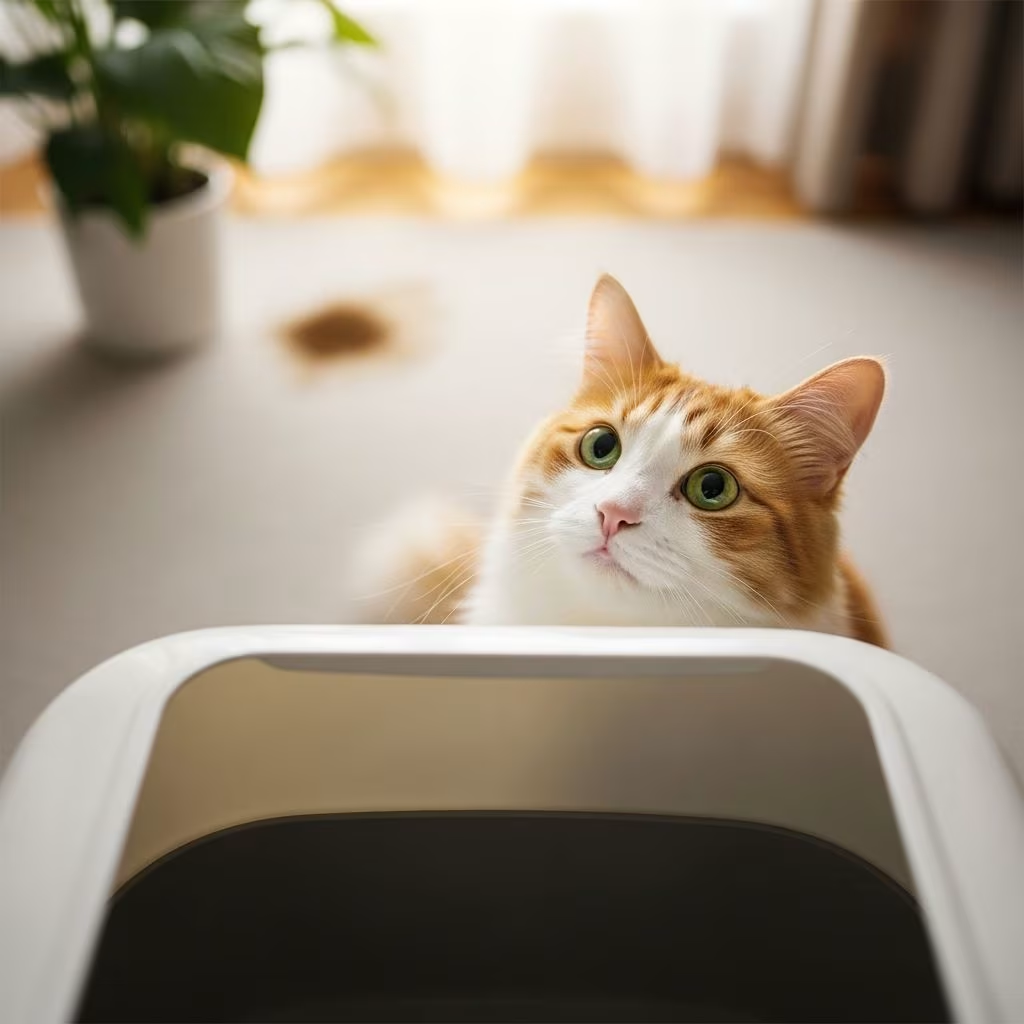
Cat Not Using Litter Box: Causes and Solutions
If your cat has suddenly stopped using the litter box, you’re not alone in this frustrating situation. Cats stop using their litter boxes for a variety of reasons — including issues with the box or litter itself, dissatisfaction with the placement or number of boxes, changes in the home environment, and undiagnosed medical conditions. Understanding the root cause is essential to resolving the problem. While it may require investigating several possibilities before you fully understand what your cat is trying to communicate, the good news is that most litter box issues are relatively easy to remedy once you identify the underlying reason.
The key to solving this behavioral problem is taking a systematic approach. Start by ruling out medical conditions through a veterinary examination, then evaluate the physical setup of your litter boxes and their environment. Your patience and attention to detail will help restore your cat’s litter box habits.
The Importance of a Veterinary Exam
The first and most critical step when your cat stops using the litter box is to schedule a thorough physical examination with your veterinarian. Several medical conditions can cause a cat to avoid the litter box, and identifying these early can prevent further complications and suffering for your pet. Your vet will perform a comprehensive evaluation to rule out health issues before you explore behavioral or environmental causes.
Many cats associate pain or discomfort with the litter box itself, which can create lasting behavioral problems even after the medical issue is resolved. This is why addressing medical concerns first is so important—it prevents the development of what’s known as residual aversion, where a cat continues to avoid the box long after the physical problem has been treated.
Common Medical Conditions
Several health conditions can cause litter box avoidance in cats. Understanding these conditions helps you work effectively with your veterinarian to identify and treat the underlying issue.
Urinary Tract Infections and Kidney Disease
Urinary tract infections (UTIs) and kidney disease are among the most common medical reasons cats stop using the litter box. These conditions cause discomfort and increased urgency, making cats feel that they need to eliminate frequently and in different locations. A urinalysis performed by your veterinarian can quickly identify UTIs or other urinary system problems.
Arthritis and Joint Pain
Cats with arthritis or other joint problems may find it physically painful to enter the litter box, particularly if the box has high walls or is difficult to access. Senior cats and overweight cats are especially prone to mobility issues that affect litter box usage. Providing low-sided boxes or ramps can make a significant difference for these cats.
Gastrointestinal and Metabolic Diseases
Conditions such as gastrointestinal diseases, nausea, liver disease, diabetes, and other metabolic disorders can all impact a cat’s litter box habits. These conditions may cause pain, discomfort, or urgency that makes the cat avoid the box. Your veterinarian can run diagnostic tests to identify these issues.
Why Cats Stop Using the Litter Box
Once your veterinarian has ruled out possible medical conditions, turn your attention to the litter box itself and the surrounding environment. In most cases, the problem lies with how the box is set up, maintained, or located rather than with your cat’s behavior or health.
Litter Box Preferences and Design
Many commercial litter boxes are simply too small to comfortably accommodate adult cats. If your cat is oversized, senior, or has mobility concerns, consider using a large plastic storage box—such as those designed to fit under a bed—to provide additional space. These larger boxes give cats more room to move around, turn, and cover their waste comfortably.
Some cats, particularly senior or overweight cats, have difficulty getting into litter boxes with high walls. These cats need low-sided alternatives that don’t require significant jumping or climbing. Additionally, while plastic liners are convenient for owners, many cats dislike them and may avoid boxes that have them. Try removing the liner to see if this makes a difference.
Box design also matters in terms of covers and lids. Some cats, especially larger ones, feel trapped or nervous in covered litter boxes and prefer open designs. Conversely, other cats feel too exposed in open boxes and feel more secure with a lid. You may need to experiment with both options to determine your cat’s preference.
Litter Type and Depth
Cats can be particular about the type of litter they use. If you’ve recently switched litter brands or types, your cat may reject the new litter entirely. When introducing a new litter type, do so gradually, mixing the new litter with the familiar type over several weeks to allow your cat to adjust.
The depth of litter in the box also matters. Most cats prefer approximately three inches of litter—enough to cover their waste but not so much that they feel like they’re wading through it. Too little litter, and the cat won’t be able to cover their waste; too much, and they may avoid the box altogether.
Number of Litter Boxes
A common mistake is providing too few litter boxes for multiple cats. The general rule is to provide one box per cat, plus one additional box. This ensures that all cats have access to a clean box and that no single cat can monopolize access to the only available box. In multi-cat households, territorial conflicts can arise if cats feel they must compete for litter box access, leading to stress-related litter box avoidance.
Litter Box Location and Placement
Where you place the litter box is just as important as the box itself. Cats are creatures of habit and prefer consistent, accessible locations that provide privacy and safety.
Choosing the Right Location
Locate litter boxes in quiet places that offer privacy and are positioned away from your cat’s food and water stations. Cats naturally want to keep their elimination area separate from their eating area, just as they would in the wild. Avoid placing boxes in high-traffic zones, noisy areas like laundry rooms, or spaces where the cat might feel exposed or threatened.
Never place litter boxes in corners of closets or other tight, confining spaces such as between the toilet and bathtub. Cats in these vulnerable positions feel trapped with no escape route, which creates anxiety and causes them to avoid the box. Ensure that your cat can approach and leave the litter box area freely and safely.
Managing Moves and Changes
If you need to move a litter box from its established location, do so gradually. In extreme cases, move it just a few inches per day to give your cat time to adjust and continue finding it. Sudden relocations can confuse cats and cause them to eliminate in the old location instead. If you set up a new litter box in a new location while keeping the old box in place temporarily, your cat will learn the new location before you remove the old box.
Preventing Territorial Conflicts
In multi-cat households, you may need to block off litter box areas with baby gates or pet doors to prevent unwanted intrusions by humans or other animals. Try placing boxes in several different locations throughout your home—the cat will use the box in the spot that feels the safest. This strategy helps reduce territorial conflicts and ensures that all cats have access to a box without feeling threatened.
Maintaining Litter Box Cleanliness
Cats are naturally fastidious animals and strongly prefer clean environments for their elimination needs. A dirty litter box is one of the most common reasons cats stop using it. Just as humans prefer a clean toilet, cats will seek alternative elimination spots if their litter box becomes soiled.
Daily and Weekly Cleaning Routines
Scoop the litter box daily to remove waste and clumps. In households with multiple cats, you may need to scoop even more frequently—some cats will refuse to use a box once it’s been used if it hasn’t been cleaned first. Deep clean boxes thoroughly with mild, low-fragrance soap at least once a week, or more often for heavily used boxes.
Avoid using bleach or ammonia-based cleaning products, as their strong odors can deter cats and the smell of ammonia resembles cat urine, which may confuse your cat. Instead, soak boxes in diluted vinegar water when necessary to remove odors effectively.
Replacing Old Boxes
Over time, plastic litter boxes become scratched and worn, trapping odors that no amount of cleaning can eliminate. If you’ve tried everything else and your cat still avoids the box, it may be time to replace it with a new one. If you introduce both a new box and new litter, place them in a slightly different location from the old box, and ensure your cat knows it’s available. Clean both boxes during the transition period, gradually cleaning the old box less frequently while maintaining the new one until your cat consistently uses the new box, then discard the old one.
Environmental Stress and Changes
Cats are sensitive animals that respond to changes in their environment. Stress and anxiety are among the two most common reasons cats stop using their litter boxes consistently.
Common Sources of Stress
Changes in the household environment can trigger litter box avoidance. These changes include adding a new pet to the family, a new person moving in, a baby’s arrival, an adult child returning home, shifting from remote to office work, home remodeling, or even just rearranging furniture. While these changes may seem minor to humans, they can cause significant stress for cats.
Additional environmental stressors include seeing other cats outdoors through windows, encountering unfamiliar people or pets, construction noise, or any disruption to the cat’s normal routine.
Creating a Safe Space
When household changes occur, ensure your cat has access to a separate, comfortable space that includes their litter box, food, water, and familiar items. This refuge allows your cat to adjust to changes at their own pace without feeling overwhelmed. Consider using pheromone sprays designed for cats to create a calming environment and ease the transition during stressful periods.
Managing Multi-Cat Conflicts
In multi-cat households, territorial conflicts can create enough stress to cause litter box problems, even if the cats aren’t actively confronting each other. One cat may control access to litter boxes, preventing other cats from using them. To address this issue:
- Cover windows from which cats might see other cats outdoors or stressful stimuli
- Use wand toys to help cats become less defensive and realize they can share space—playing also tires out more aggressive cats
- Open up a vertical world by installing shelving that cats can jump on, reducing territorial disputes
- Provide multiple sunny lounging spots around the house to reduce competition for preferred areas
- Use corrugated cardboard boxes at room entrances as scent-soakers, allowing each cat to mark them and establish neutral territory
When to Move the Litter Box to a Preferred Location
Sometimes, despite your best efforts to establish the perfect litter box location, your cat may consistently prefer another spot in the house. If your cat has chosen an alternative elimination location, you can try moving the litter box to that spot as a temporary measure. This doesn’t have to be permanent, but it serves as a stop-gap solution while you continue investigating the root cause. However, pay attention—if your cat continues to prefer another place in the house to do their business even after you’ve moved the box, this signals that you haven’t fully identified the underlying problem.
Addressing Residual Aversion
Residual aversion occurs when a cat continues to avoid the litter box long after the original problem has been resolved. This commonly happens after a cat has experienced pain or discomfort associated with using the box due to a medical condition. Even after treatment, the cat may still associate the litter box with pain and refuse to use it.
To overcome residual aversion, you may need to set up a new litter box in a new location while temporarily moving the old box away. This helps your cat create new, positive associations with litter box use. Once the cat consistently uses the new box, you can gradually reintroduce the old location and box if desired.
Frequently Asked Questions (FAQs)
Q: How many litter boxes should I have for my cats?
A: The recommended ratio is one litter box per cat, plus one additional box. This ensures all cats have access to a clean box and reduces territorial conflicts and stress.
Q: What’s the best way to introduce a new type of litter?
A: Introduce new litter gradually by mixing it with the familiar litter over several weeks. Start with mostly familiar litter and slowly increase the proportion of new litter until the transition is complete.
Q: Should I use a covered or open litter box?
A: This depends on your cat’s preferences. Some cats prefer open boxes for visibility and space, while others feel more secure with a cover. Try both options to see which your cat prefers.
Q: How deep should the litter be in the box?
A: Most cats prefer approximately three inches of litter—enough to cover their waste but not so much that they feel uncomfortable wading through it.
Q: What should I do if my cat prefers to eliminate in a specific spot in the house?
A: Try moving a litter box to that spot as a temporary measure. However, continue investigating the root cause, as this preference often indicates an underlying medical or behavioral issue that needs addressing.
Q: How often should I clean the litter box?
A: Scoop daily to remove waste and clumps. Perform a deep clean with mild soap at least weekly, or more frequently if you have multiple cats. Some cats require daily deep cleaning if they’re particularly fastidious.
Q: Can stress really cause litter box problems?
A: Yes, stress is one of the two most common reasons cats stop using their litter boxes. Environmental changes, new pets, new people, or household disruptions can all cause significant stress-related litter box avoidance.
Summary
When your cat stops using the litter box, remember that this behavior is a sign that something needs attention—whether it’s a medical issue, the litter box setup, environmental stress, or a combination of factors. By systematically working through these possibilities, starting with a veterinary examination and then evaluating the box, litter, location, and home environment, you can identify and resolve the underlying cause. Most litter box problems are easily corrected once you understand what your cat is trying to communicate. With patience, observation, and the adjustments outlined in this guide, you can help your cat return to consistent and appropriate litter box use.
References
- Cat Not Using Litter Box: Causes and Solutions — Best Friends Animal Society. Retrieved from https://bestfriends.org/pet-care-resources/cat-not-using-litter-box-causes-and-solutions
- Why Is My Cat Not Using The Litter Box — YouTube. Dr. Anna Foster, Emergency Veterinarian. Retrieved from https://www.youtube.com/watch?v=976plMDLRC4
- Solving Litterbox Issues — Wisconsin Humane Society. Retrieved from https://www.wihumane.org/behavior/ask-the-experts/cat-behavior/solving-litterbox-problems
- When Cats Stop Using the Litter Box: Vet-Approved Advice to Help You Solve the Problem — VetCare Hospital, Burleson, TX. 2025-02-01. Retrieved from https://vetcarehosp.com/2025/02/01/when-cats-stop-using-the-litter-box-vet-approved-advice-to-help-you-solve-the-problem/
- What to do if Your Cats are Not Using the Litter Box — Arm & Hammer. Retrieved from https://www.armandhammer.com/en/articles/cats-not-using-the-litter-box
- Litter Box Problems — American Society for the Prevention of Cruelty to Animals (ASPCA). Retrieved from https://www.aspca.org/pet-care/cat-care/common-cat-behavior-issues/litter-box-problems
- 5 Reasons Your Cat Isn’t Using The Litter Box — Pet Harmony Training. Retrieved from https://petharmonytraining.com/5-reasons-your-cat-isnt-using-the-litterbox/



