

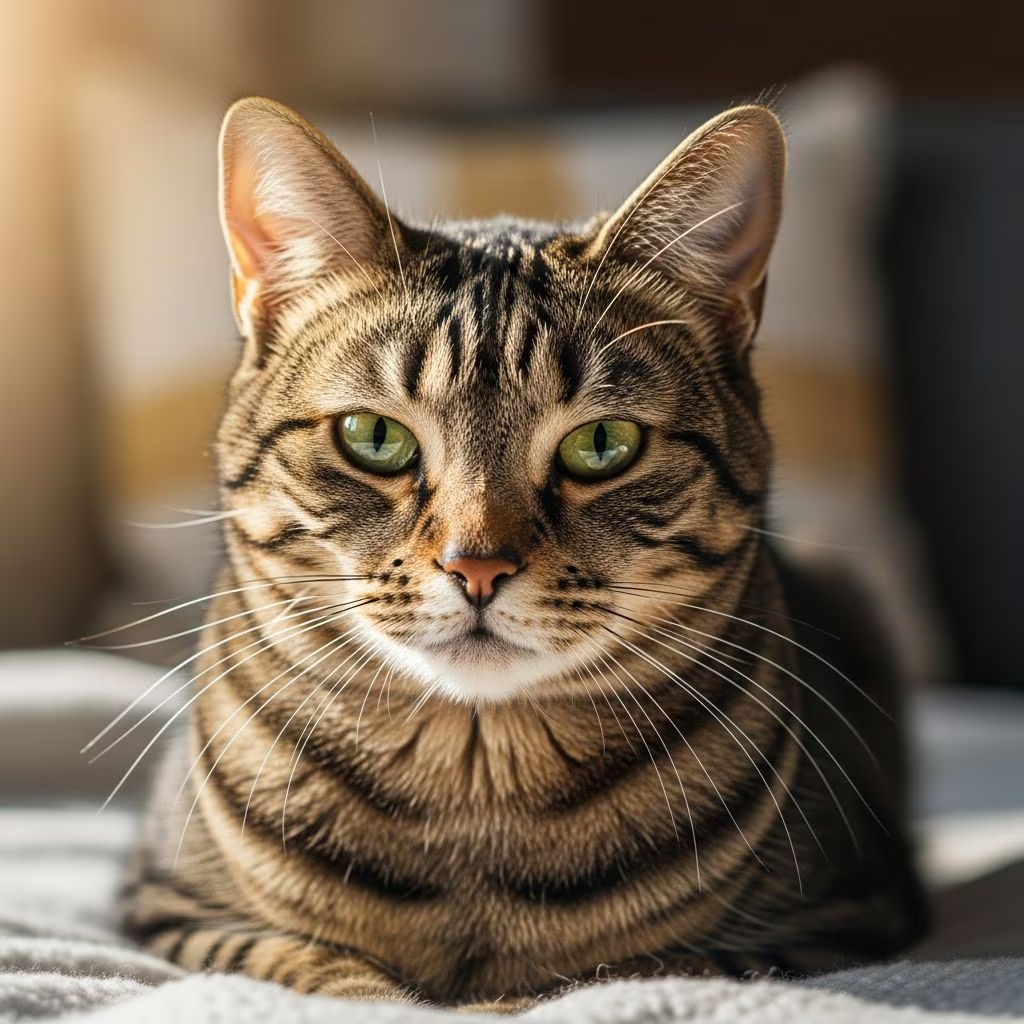
Your cat’s purring fills the room with a soothing rumble, yet their food bowl sits untouched. This combination can puzzle any pet owner, as purring often signals contentment. However, it may also mask discomfort or illness. Understanding this behavior helps you respond promptly to protect your cat’s health.
Understanding the Purring Paradox
Cats purr for multiple reasons beyond happiness. The vibration serves as self-soothing during stress, pain, or recovery. A cat not eating but purring might use this mechanism to cope with underlying problems, making it vital to observe beyond the sound.
- Self-comfort mechanism: Purring promotes healing and reduces anxiety, even in distress.
- Masking illness: Felines hide weakness instinctively, so normal behavior like purring doesn’t rule out health concerns.
- Energy conservation: Refusing food while purring could indicate low energy from illness or environmental factors.
Common Medical Reasons for Appetite Loss
Several health issues can suppress a cat’s hunger while they continue purring. Early detection prevents complications like hepatic lipidosis, a potentially fatal fatty liver condition from prolonged fasting.
Dental and Oral Problems
Pain from tooth decay, gingivitis, or mouth tumors makes chewing agonizing. Cats may purr to self-soothe but avoid food, especially dry kibble. Signs include drooling, pawing at the mouth, or preferring soft foods.
| Symptom | Possible Issue | Action |
|---|---|---|
| Bleeding gums | Gingivitis | Schedule dental cleaning |
| Bad breath | Tartar buildup | Brush teeth regularly |
| Weight loss | Oral cancer | Vet exam with X-rays |
Respiratory and Sensory Challenges
Upper respiratory infections block scent, crucial for cats’ appetite. Congestion from cat flu or allergies reduces food appeal, yet purring persists as comfort. Watch for sneezing, watery eyes, or nasal discharge.
Gastrointestinal Disturbances
Nausea from infections, parasites, or organ diseases like kidney failure or diabetes curbs eating. Cats may show interest then back away, licking lips or drooling. Purring accompanies this as a calming response.
Other Systemic Conditions
- Heart disease: Congestive failure causes fatigue and breathing issues, indirectly affecting appetite.
- Urinary tract infections: Pain leads to lethargy and disinterest in food, common in males.
- Asthma: Breathing difficulties sap energy, making meals unappealing.
Non-Medical Factors Influencing Appetite
Not all cases stem from illness. Environmental and emotional triggers often play a role, especially if purring suggests relative comfort.
Stress and Environmental Changes
New pets, moves, or routine shifts spike anxiety, halting eating. Cats purr to self-regulate stress hormones. Offer quiet spaces and familiar scents to ease transitions.
Food-Related Issues
Picky eaters reject new flavors, spoiled food, or texture changes post-illness. Recovery diets with high calories in small portions help rebuild interest.
Age and Lifestyle Factors
Senior cats or overweight ones show reduced activity, mimicking lethargy. Mild arthritis limits movement without fully stopping eating, paired with purring.
Assessing Severity: When to Worry
Cats can survive days without food but risk fatty liver after 24-48 hours. Purring alone doesn’t reassure; combine with other signs.
| Low Concern | Moderate Concern | Emergency |
|---|---|---|
| Eating some, active | Not eating 24hrs, mild lethargy | No food 48hrs, hiding, vomiting |
| Purring + playing | Purring + reduced movement | Purring + unresponsive |
- Monitor intake: Note water and any nibbling.
- Check hydration: Pinch skin; slow tenting signals dehydration.
- Observe behavior: Hiding or aggression escalates urgency.
Immediate Home Monitoring Strategies
Track symptoms systematically before vet visits.
- Weigh daily: Rapid loss signals crisis.
- Offer variety: Warm wet food enhances aroma.
- Ensure hydration: Use fountains or broth.
- Reduce stress: Pheromone diffusers calm nerves.
- Inspect mouth: Gently check for sores.
Veterinary Interventions and Diagnostics
Consult a vet within 24 hours if fasting persists. Expect bloodwork, imaging, or dental exams to pinpoint issues.
- Appetite stimulants: Medications like mirtazapine kickstart eating.
- Fluid therapy: Prevents dehydration and supports organs.
- Specialized diets: Recovery formulas pack nutrients.
- Pain management: Addresses hidden discomfort.
Preventive Measures for Long-Term Health
Proactive care minimizes risks.
- Annual vet checkups detect early dental or organ issues.
- Balanced diet prevents obesity and nutritional gaps.
- Regular play maintains muscle tone and mental stimulation.
- Dental hygiene routines, like brushing, ward off oral pain.
Frequently Asked Questions
Why does my cat purr if they’re not eating?
Purring self-soothes during pain or stress, not just joy. It promotes healing via vibrations.
How long before a vet visit for no eating?
Act within 24 hours; 48 hours risks liver failure.
Can stress alone cause this?
Yes, changes like new homes suppress appetite temporarily.
Is purring with lethargy dangerous?
Yes, it may indicate ‘pain purr’; seek care if inactive.
What home foods tempt picky cats?
Strong-smelling wet foods, tuna juice, or warmed meals.
Conclusion: Act Swiftly for Your Cat’s Sake
A purring cat ignoring food warrants vigilance. Blend observation, home aids, and professional input to resolve issues quickly. Your prompt action ensures they resume healthy eating and vibrant play.
References
- My cat’s been purring today but hasn’t touched her food — Dial A Vet. 2023. https://www.dialavet.com/vet-answers/post/cat-purring-not-eating-49775
- Cat Lethargic But Still Purring? The Pain Purr Explained — Lady N Pet. 2024. https://ladynpet.com/us/blog/lethargic-cat/
- 6 Reasons Why Your Cat Is Not Eating and What To Do — PetMD. 2025-01-15. https://www.petmd.com/cat/nutrition/cat-not-eating-what-to-do
- Low Energy Cat: Causes and Solutions for Feline Lethargy — UVH Vets. 2024. https://uvhvets.com/blog/low-energy-cat-causes-and-solutions-for-feline-lethargy/
- My Cat’s Not Eating Much but is Acting Normal, What’s Going On? — Veg.com. 2023-06-10. https://www.veg.com/post/my-cats-not-eating-much-but-is-acting-normal-whats-going-on



