

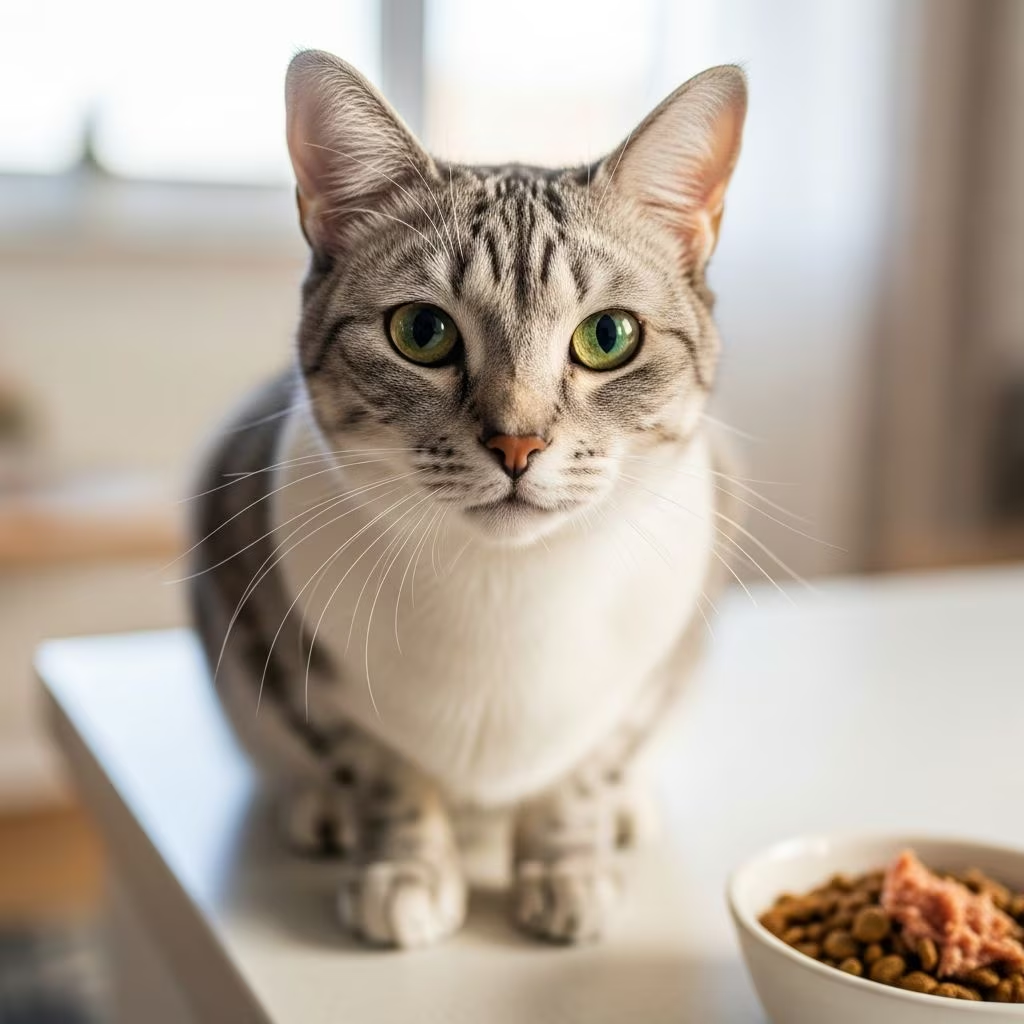
Your cat skipping meals while playing, grooming, and pouncing around as usual can be puzzling and worrisome. Cats are masters at masking illness, so a sudden drop in appetite—even without other symptoms—often points to underlying issues ranging from simple pickiness to serious medical conditions. Understanding these causes helps you respond quickly, as prolonged fasting can lead to hepatic lipidosis, a life-threatening liver disorder in felines.
Understanding Feline Appetite Dynamics
Cats have highly sensitive digestive systems and strong survival instincts that make them hide discomfort. A healthy cat typically eats multiple small meals daily, maintaining steady energy for their active lifestyle. When appetite wanes but behavior stays normal, it suggests subtle factors at play. Monitor intake closely: kittens and seniors face higher risks from even short fasts, while adults might tolerate 24 hours before complications arise.
Common Benign Reasons for Refused Meals
Not every appetite dip signals doom. Many cases stem from everyday changes cats dislike.
- Food Aversion or Recent Switch: Cats crave consistency in taste, texture, and temperature. A new brand, formula, or cold kibble from the fridge can prompt refusal. Gradually mix old and new over 7-10 days to ease transitions.
- Environmental Shifts: Moving furniture, new household members, or altered feeding routines trigger stress, halting eating. Outdoor cats might snack elsewhere, appearing full.
- Dirty or Unappealing Setup: Grimy bowls, proximity to litter boxes, or overly deep dishes deter meals. Fresh, shallow containers at room temperature often entice picky eaters.
Health-Related Causes Masked by Normal Behavior
Cats’ stoic nature means diseases can progress silently. Normal activity doesn’t rule out problems; early detection via vet exams is crucial.
Dental and Oral Discomfort
Tooth resorption, gingivitis, abscesses, or fractured teeth cause chewing pain without obvious signs like drooling. Cats may chew on one side or prefer soft foods. Regular dental checks prevent escalation.
Digestive Tract Troubles
Indigestion from hairballs, parasites, or foreign objects leads to nausea. Mild gastroenteritis or constipation might not cause vomiting yet curbs hunger. Watch for litter box changes.
Systemic Illnesses in Stealth Mode
| Condition | Why It Suppresses Appetite | Other Subtle Clues |
|---|---|---|
| Kidney Disease | Nausea from toxin buildup | Increased thirst/urination |
| Pancreatitis | Abdominal inflammation | Lethargy post-meals |
| Hyperthyroidism | Metabolic shifts | Weight loss despite hunger |
| Respiratory Infections | Reduced smell/taste | Sneezing, nasal discharge |
Older cats over 7 years are prone to kidney issues, affecting up to 30% of seniors. Bloodwork confirms these.
Assessing Severity: When Normal Isn’t Enough
Track non-eating duration: under 12 hours might self-resolve, but 24+ hours demands action. Weigh daily; 10% loss signals dehydration risks. Kittens under 6 months or obese cats fasting over 48 hours face emergencies.
- Offer warmed wet food or tuna juice to tempt.
- Ensure quiet feeding spots away from stressors.
- Avoid force-feeding to prevent aversion.
Immediate Steps to Restart Eating
Revive appetite safely before vet trips.
- Temperature Test: Warm food to body temp; cold kills aroma.
- Variety Trial: Rotate flavors like chicken or fish pate, ensuring nutritional balance.
- Hydration Boost: Broth or fountains prevent kidney strain.
- Scent Enhancement: Add catnip or fortifiers for appeal.
If unresponsive after 24 hours, seek professional help.
Veterinary Evaluation Protocol
Expect physical exams, oral inspections, blood panels for organ function, and fecal tests for parasites. Imaging rules out obstructions. Treatments vary: antibiotics for infections, fluids for kidneys, or dental extractions.
Preventing Future Appetite Slumps
Proactive care minimizes episodes.
- Annual wellness exams with dental cleanings.
- Balanced diets suited to age/life stage.
- Stress reduction via pheromones or play routines.
- Parasite preventives year-round.
Special Considerations by Age and Lifestyle
Kittens and Young Cats
Fast growth demands constant fuel; 12-hour fasts risk hypoglycemia. Frequent small meals essential.
Senior Felines
Metabolic slowdown and chronic diseases like hyperthyroidism prevail. Palatable senior formulas aid intake.
Indoor vs. Outdoor
Indoor cats face boredom-induced pickiness; enrichment toys help. Outdoor hunters might self-regulate.
FAQs: Quick Answers on Feline Fasting
Is it okay if my cat skips one meal?
Occasional skips happen, but monitor. Consistent patterns warrant checks.
How long before calling the vet?
24 hours for adults, 12 for kittens/seniors. Sooner if vomiting or weakness appears.
Can stress alone cause this?
Yes, but rule out medical causes first. Pheromone diffusers soothe.
What home remedies work best?
Warmed wet food, routine stability. Never milk or human foods.
Does breed affect appetite sensitivity?
Persians prone to dental issues; Siamese to GI sensitivities. All need vigilance.
Long-Term Monitoring for Optimal Health
Log meals, weights, and behaviors in a journal. Apps track trends, flagging issues early. Nutritionist consults tailor diets post-diagnosis. With vigilance, most cats rebound fully, enjoying meals and mischief alike.
References
- 10 Reasons Why Your Cat is Not Eating — Ventura Emergency Vet. 2021-05-17. https://www.vmsg.com/site/blog/2021/05/17/10-reasons-why-your-cat-is-not-eating
- Common Reasons Your Cat is Not Eating — Beacon Vets. 2021-12-20. https://www.thebeaconvet.com/site/blog/2021/12/20/common-reasons-your-cat-is-not-eating
- 10 Reasons Your Cat May Not Be Eating — GoodRx. n.d. https://www.goodrx.com/pet-health/cat/not-eating
- Cat Not Eating? Urgent Signs and When to Seek Care — GSVS. n.d. https://gsvs.org/blog/cat-not-eating-emergency/
- 6 Reasons Why Your Cat Is Not Eating and What To Do — PetMD. n.d. https://www.petmd.com/cat/nutrition/cat-not-eating-what-to-do
- Why Is My Cat Not Eating? 8 Reasons and What to Do — SHEBA. n.d. https://www.sheba.com/lifestyle/cat-wont-eat
- What to do When Your Cat Won’t Eat — WebMD. n.d. https://www.webmd.com/pets/cats/my-cat-wont-eat



