

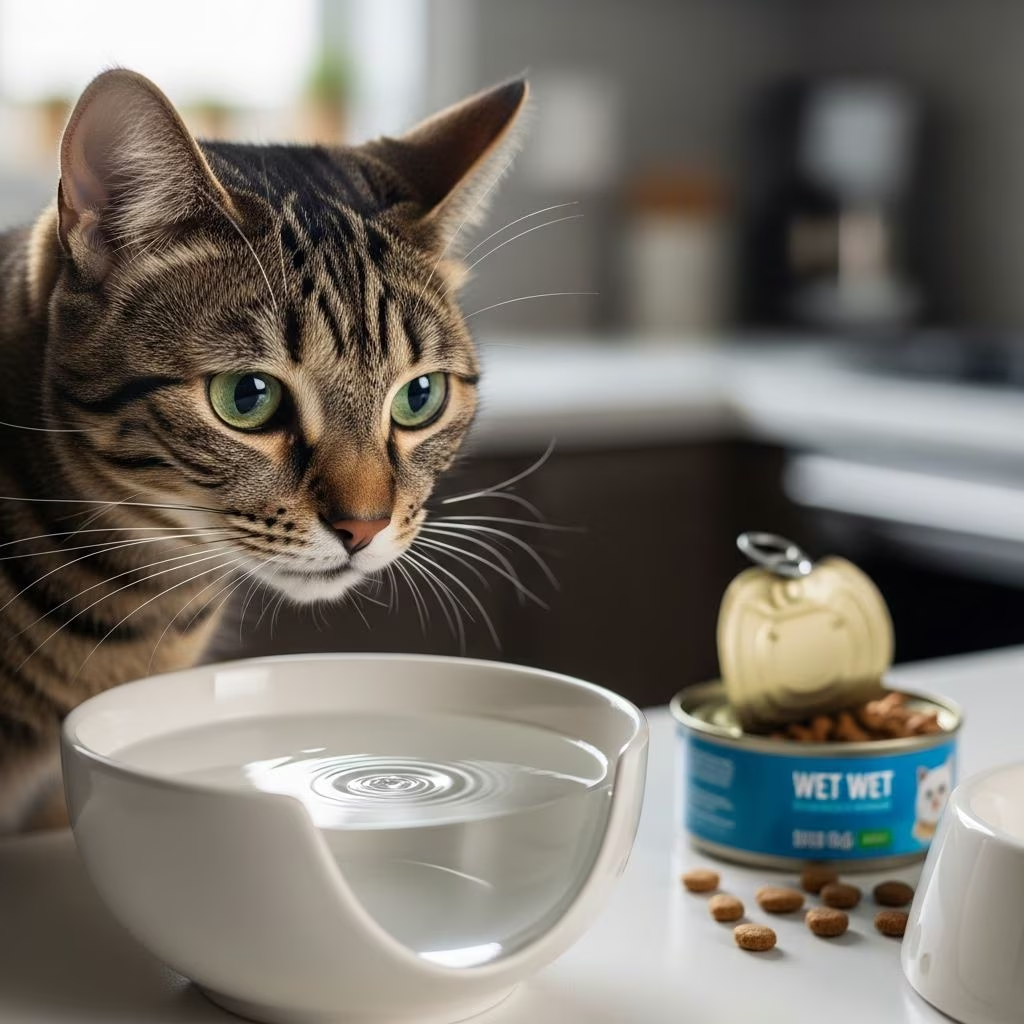
Your cat’s reluctance to drink water can signal simple preferences or serious health concerns. Addressing it promptly prevents dehydration, a potentially life-threatening issue in felines.
Understanding Feline Hydration Needs
Cats evolved from desert-dwelling ancestors, deriving much moisture from prey. Domestic cats on dry food need about 3-4 ounces of water daily per 5 pounds of body weight, but many fall short, risking chronic low-grade dehydration.
Monitor intake by measuring water added to bowls versus leftovers. Sudden drops warrant attention, especially in seniors or those with medical histories.
Common Reasons Cats Avoid Their Water Bowl
Several factors deter cats from drinking. Identifying the trigger allows targeted fixes.
- Cleanliness Issues: Cats shun dirty bowls with fur, dust, or bacteria. Daily rinsing with hot water and weekly dishwashing keeps water appealing.
- Bowl Location and Type: Noisy appliances, litter proximity, or shallow plastic bowls discourage sips. Elevate glass or ceramic fountains in quiet spots.
- Water Quality: Tap water’s chlorine or minerals taste off to sensitive noses. Filtered or bottled options often entice picky drinkers.
- Age-Related Changes: Kittens and elders may forget or struggle physically. Arthritis limits access; cognitive decline reduces thirst cues.
Health Problems Behind Reduced Water Intake
Beyond preferences, medical issues suppress thirst or cause pain during swallowing.
| Condition | Symptoms | Hydration Impact |
|---|---|---|
| Kidney Disease | Weight loss, vomiting, poor appetite | Impaired filtration worsens with low fluids |
| Diabetes | Increased urination, lethargy | Excessive thirst initially, then refusal |
| Hyperthyroidism | Weight loss despite eating, hyperactivity | Alters metabolism, affects drinking |
| Dental Pain | Drooling, pawing mouth, bad breath | Painful swallowing leads to avoidance |
| Gastrointestinal Disorders | Diarrhea, vomiting, abdominal pain | Nausea reduces interest in water |
These conditions demand veterinary diagnosis via bloodwork and urinalysis. Early intervention preserves kidney function and stabilizes metabolism.
Spotting Dehydration Early: Key Signs to Watch
Dehydration strikes fast in cats due to small body size. Test at home, but confirm professionally.
- Skin Tenting: Pinch skin on scruff; normal snaps back instantly. Delay signals mild to severe fluid loss.
- Gum Check: Press gum; pink color returns in 1-2 seconds if hydrated. Pale, sticky gums indicate problems.
- Sunken Eyes: Dull, recessed appearance shows moderate dehydration.
- Lethargy and Weakness: Reduced play, hiding signal energy drain from low fluids.
- Other Indicators: Panting (rare in cats), constipation with hard stools, persistent vomiting/diarrhea.
Combine signs with intake history. Cats with kidney issues or heat exposure dehydrate quickest.
Practical Strategies to Encourage Drinking
Boost hydration proactively. Experiment until preferences emerge.
- Upgrade Water Stations: Use pet fountains for running water appeal. Place multiple bowls room-to-room, away from food/litter.
- Switch to Wet Food: Canned varieties provide 70-80% moisture, mimicking natural diet. Mix gradually with dry kibble.
- Flavor Boosts: Add tuna juice (low-sodium), chicken broth, or ice cubes to bowls. Refresh frequently.
- Temperature Tweaks: Room-temp or slightly cool water suits most; avoid fridge-chilled.
- Environmental Adjustments: Reduce stress with pheromone diffusers; ensure easy access for mobility-impaired cats.
Track progress over 48 hours. No improvement? Seek vet care.
When to Rush to the Vet: Emergency Red Flags
Refusal beyond 24-48 hours is critical, especially with symptoms. Dehydration spirals, thickening blood and stressing organs.
- Any dehydration sign plus vomiting/diarrhea.
- No water intake despite tricks, paired with lethargy/appetite loss.
- Known conditions like diabetes or kidney disease flare-ups.
- Heat exposure, post-surgery recovery, or diarrhea episodes.
Vets may provide subcutaneous fluids, anti-nausea meds, or diagnostics. Hospitalization follows severe cases.
Long-Term Hydration Management for At-Risk Cats
Prevent recurrence through routine.
- Annual checkups for early disease detection.
- Prescription renal diets for kidney patients, enhancing urine dilution.
- Water intake logs via smart bowls or daily measures.
- Senior supplements like omega-3s supporting urinary health.
Cats on diuretics or insulin need tailored plans. Consult for personalized advice.
FAQs: Cat Hydration Concerns Answered
Why does my cat drink from the toilet but not the bowl?
Toilet water stays fresh, cooler, and moving. Elevate bowl appeal with fountains to mimic.
Is it okay if my cat eats but skips water?
No—eating without fluids risks kidney strain. Wet food helps, but monitor closely.
How much water should my cat drink daily?
Expect 3-4 oz per 5 lbs on dry food; more for wet-fed or active cats.
Can dehydration cause constipation in cats?
Yes, colon extracts extra water from stool, hardening it.
What home test confirms dehydration?
Skin tenting and gum capillary refill time are reliable starters.
Preventive Tips for Optimal Feline Hydration
Incorporate habits for lifelong wellness:
- Daily bowl refreshes.
- Diverse water sources.
- Balanced diet with moisture.
- Stress minimization.
- Regular vet hydration assessments.
Proactive care keeps cats vibrant. Notice changes? Act swiftly.
References
- Why Your Cat Won’t Drink Water and What to Do — PetMD. 2023. https://www.petmd.com/cat/symptoms/why-your-cat-wont-drink-water-and-what-do
- Why won’t my cat drink water? — Southgate Animal Hospital. 2024-06-30. https://www.southgateanimalhosp.com/site/blog/2024/06/30/cat-wont-drink-water
- My Cat Won’t Drink Water! What Should I Do? — Bruceville Pharmacy & Compounding. 2022-09-15. https://www.brucevilleph.com/site/blog/2022/09/15/cat-wont-drink-water
- My Cat Won’t Drink Water But Still Eats? — Cheyenne Mountain Animal Hospital. N/A. https://cheyennepets.com/blog/my-cat-wont-drink-water-but-still-eats/
- Cat Dehydration: Symptoms, Treatment and How to Protect Your Pet — Veterinary Emergency Group. N/A. https://www.veg.com/post/cat-dehydration-symptoms-treatment-and-how-to-protect-your-pet
- What should I do if my cat won’t drink water? — Pet Doctor X. 2023-11-21. https://www.petdoctorx.com/site/blog/2023/11/21/cat-wont-drink-water
- Why Isn’t My Cat Drinking Water? — Hill’s Pet Nutrition. N/A. https://www.hillspet.co.id/cat-care/routine-care/why-cats-not-drinking-water-and-dehydration



