

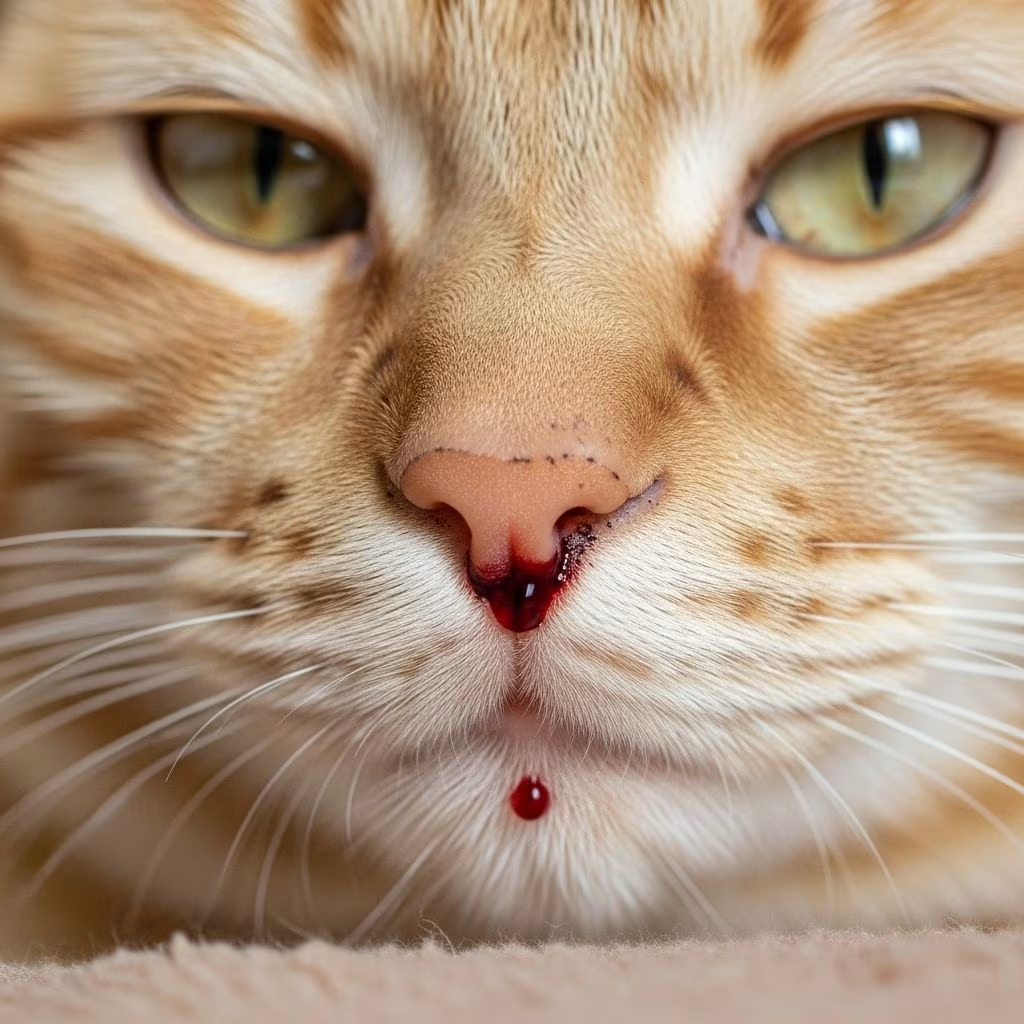
Epistaxis, the medical term for nosebleeds in cats, occurs when blood vessels in the nasal passages rupture, leading to visible bleeding from one or both nostrils. This alarming symptom demands immediate attention, as it can stem from benign issues like minor injuries or signal life-threatening conditions such as tumors or poisoning. Understanding the underlying triggers helps cat owners respond effectively and improve outcomes through prompt veterinary intervention.
Recognizing the Signs of Nasal Bleeding in Cats
Spotting a nosebleed early can prevent complications. Blood may drip steadily, spurt intermittently, or mix with clear discharge. Key indicators include:
- Blood flowing from one nostril (unilateral) or both (bilateral), often bright red or darker if clotted.
- Sneezing accompanied by bloody spray or flecks.
- Pawing at the face, rubbing the nose on surfaces, or head shaking due to irritation.
- Nasal swelling, redness, or discharge that worsens over time.
- Associated symptoms like labored breathing, lethargy, pale gums, loss of appetite, or coughing.
Unilateral bleeding often points to localized problems like foreign objects or dental abscesses, while bilateral flow suggests systemic issues such as clotting disorders. Monitor for dark feces, prolonged wound bleeding, or dizziness, which indicate broader bleeding problems.
Common Triggers Behind Feline Nosebleeds
Nosebleeds rarely occur in isolation; they reflect an array of physical, infectious, or systemic disturbances. Categorizing causes aids in narrowing diagnostic possibilities.
Physical Injuries and Trauma
Trauma tops the list for sudden epistaxis. Cats explore high places and engage in territorial scraps, leading to nasal fractures, lacerations, or internal bruising. A fall, car accident, or fight can rupture delicate vessels in the nasal mucosa. Even seemingly minor impacts, like colliding with furniture, may cause bleeding if vessels are fragile.
Infections Invading the Nasal Passages
Bacterial, viral, fungal, or parasitic invasions inflame nasal tissues, eroding vessels. Upper respiratory viruses like feline herpes cause mucosal damage and bleeding. Fungal infections such as aspergillosis destroy nasal structures over time. Severe bacterial cases follow trauma, while parasites like nasal mites provoke sneezing and eventual epistaxis.
Dental Problems Extending to the Nose
Tooth root abscesses from periodontal disease burrow upward, eroding into nasal cavities. This unilateral bleeding often pairs with bad breath, eating pain, and facial swelling. Fractured teeth or gum infections create pathways for pus and blood to exit via the nose.
Environmental Irritants and Allergies
Dry air desiccates nasal linings, while chemical fumes, pollutants, or allergens trigger inflammation and vessel fragility. Pressure changes or litter dust inhalation exacerbate these effects.
Serious Underlying Health Conditions
Chronic or recurrent nosebleeds warrant ruling out grave disorders. These demand advanced diagnostics to pinpoint and treat.
| Condition | Description | Key Signs |
|---|---|---|
| Nasal Tumors | Growths like polyps or cancers erode vessels; often unilateral and progressive. | Sneezing blood, facial deformity, chronic discharge. |
| Blood Clotting Disorders | Low platelets (thrombocytopenia) from tick diseases, rodenticides, or immune issues impair clotting. | Bleeding from multiple sites, pale gums, bruising. |
| Systemic Diseases | Liver/kidney failure, hypertension, FeLV/FIV raise bleeding risk. | Lethargy, jaundice, weight loss, anemia. |
| Toxins and Poisons | Rat baits block vitamin K, causing coagulopathy. | Internal bleeding, collapse, black stools. |
Tumors present acutely despite chronic growth, while clotting defects cause intermittent episodes as clots dislodge. FIV/FeLV weaken immunity, fostering secondary infections.
Steps for Diagnosis at the Vet Clinic
Veterinarians start with a thorough history: recent trauma, medications (e.g., NSAIDs/aspirin), toxin exposure, or travel to endemic areas. Physical exams check for nasal patency, dental health, and lymph nodes.
- Imaging: X-rays or CT scans reveal tumors, fractures, or foreign bodies.
- Rhinoscopy: Endoscopy visualizes nasal interiors for inflammation or masses.
- Biopsies: Tissue samples confirm cancer or infections.
- Blood Tests: Assess clotting times, platelet counts, organ function, and viral status.
- Culture/Smears: Identify bacteria, fungi, or parasites.
Bilateral vs. unilateral patterns guide focus: local for one-sided, systemic for both.
Effective Treatment Strategies
Treatment targets the root cause while stabilizing the cat.
- Control Bleeding: Ice packs on the nose bridge, head elevation, and sedation if frantic. Avoid nasal packing in cats.
- Specific Therapies: Antibiotics for infections, antifungals for aspergillosis, dental extractions for abscesses.
- Oncology Care: Surgery, radiation, or chemo for tumors.
- Clotting Support: Vitamin K1 for rodenticides, transfusions for thrombocytopenia.
- Supportive Measures: IV fluids, anti-inflammatories, blood pressure meds.
Prognosis varies: excellent for trauma, guarded for cancers.
Home Management and Prevention Tips
While awaiting vet care, keep the cat calm in a quiet, humidified area to ease clotting. Clean gently with saline; never insert objects. Prevent by:
- Regular dental checkups to catch abscesses early.
- Secure rodenticides and toxins.
- Maintain humidity, avoid irritants.
- Vaccinate against respiratory viruses.
- Tick prevention in endemic areas.
Monitor for recurrence post-treatment, as chronic issues like tumors may persist.
Frequently Asked Questions (FAQs)
Is a cat nosebleed always an emergency?
Yes, especially if heavy, recurrent, or with lethargy/pale gums—seek vet care immediately.
Can dry air cause nosebleeds in cats?
Yes, it dries nasal membranes, increasing fragility, particularly in winter.
How long does a cat nosebleed last?
Minor ones clot in minutes; persistent or clotting-impaired ones require intervention.
Will my cat survive a nosebleed from rat poison?
With prompt vitamin K therapy and monitoring, survival rates are high if caught early.
Can allergies trigger epistaxis?
Yes, by inflaming passages and weakening vessels.
This comprehensive overview empowers cat guardians to act decisively. Always consult a veterinarian for personalized advice, as timely intervention can be lifesaving.
References
- Epistaxis (Nose Bleed) in Cats — PetPlace.com. Accessed 2026. https://www.petplace.com/article/cats/pet-health/epistaxis-nose-bleed-in-cats
- Nose Bleed in Cats: Causes, Diagnosis, and Treatment — PetCareRx. Accessed 2026. https://www.petcarerx.com/article/nose-bleed-in-cats-causes-diagnosis-and-treatment/6587
- Nose Bleeds In Cats: Causes & Treatments — Dutch. Accessed 2026. https://www.dutch.com/blogs/cats/why-is-my-cats-nose-bleeding
- Cat Nosebleed: Signs, Causes, and Treatment of Epistaxis in Cats — PetMD. Accessed 2026. https://www.petmd.com/cat/symptoms/nosebleeds-epistaxis-in-cats
- Nosebleed in Cats – Causes, Treatment and Associated Symptoms — Vetster. Accessed 2026. https://vetster.com/en/symptoms/cat/nosebleed
- Nose Bleed in Cats – Symptoms, Causes, Diagnosis, Treatment — WagWalking. Accessed 2026. https://wagwalking.com/cat/condition/nose-bleed
- Nose Bleeds (Epistaxis) in Cats — VCA Animal Hospitals. Accessed 2026. https://vcahospitals.com/know-your-pet/nose-bleeds-or-epistaxis-in-cats



