

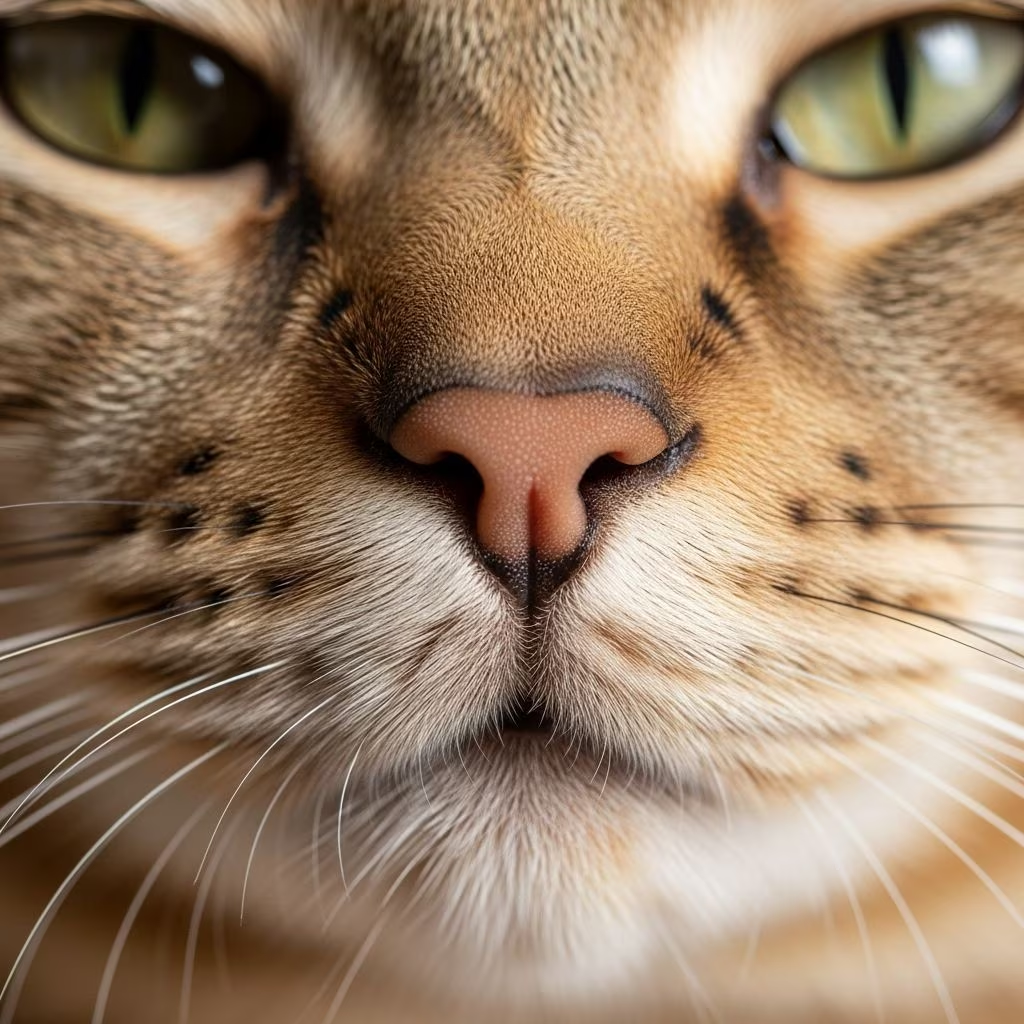
A dry nose on a cat often sparks worry among pet owners, but it’s not always a red flag for illness. Cats’ noses naturally fluctuate in moisture due to daily activities, environment, and rest cycles. However, persistent dryness combined with other symptoms warrants attention to rule out underlying problems.
The Normal Moisture Cycle of a Cat’s Nose
Cats possess a specialized nose leather covered in scent glands that produce moisture to enhance their olfactory abilities. This wetness traps scent particles, aiding their superior sense of smell. Yet, factors like sleeping, grooming, or low-humidity rooms can temporarily dry it out without harm.
- Sleeping patterns: During naps, reduced gland activity leads to dryness, which rehydrates upon waking.
- Grooming habits: Licking removes natural oils, causing short-term dryness.
- Environmental influences: Dry air from heaters or air conditioning mimics this effect.
These variations are benign, but tracking patterns helps distinguish normal from concerning changes.
Common Benign Reasons for Dryness
Many everyday scenarios explain a dry feline nose without health risks. Recognizing these prevents unnecessary panic.
| Factor | Description | Duration |
|---|---|---|
| Sun exposure | Brief time in sunlight warms and dries the nose surface. | Temporary, resolves in shade. |
| Indoor heating | Low humidity near vents or radiators pulls moisture. | Intermittent, improves with humidity. |
| Age-related | Older cats produce less moisture naturally. | Persistent but harmless if isolated. |
| Recent activity | Playing or exploring in dusty areas dries the nose. | Short-lived, self-corrects. |
Senior cats frequently show drier noses as part of aging, alongside subtler coat changes.
When Dryness Signals Dehydration
Dehydration stands out as a frequent culprit for prolonged nose dryness, especially with accompanying signs. Cats lose fluids through routine processes but can deplete quickly from illness or neglect.
Key indicators include:
- Lethargy and reduced playfulness.
- Loss of appetite or excessive thirst.
- Sunken eyes or tacky gums.
- Recent vomiting or loose stools.
Causes range from kidney issues to accidental water denial, like being trapped outdoors. Veterinary assessment involves hydration checks via skin tenting and blood work.
Skin Conditions Linked to Dry, Cracked Noses
Dermatological disorders often manifest as dry, flaky noses extending to ears and paws. Inflammation arises from various triggers, demanding targeted care.
Primary types:
- Allergies: Food, pollen, or flea bites provoke itching and scaling.
- Infections: Bacterial or fungal overgrowth cracks the surface.
- Autoimmune issues: Pemphigus foliaceus attacks skin cells, forming crusts on nose and pads.
Preventive measures include premium diets rich in omega fatty acids, routine parasite prevention, and avoiding irritants like human products.
Sunburn and Environmental Damage
Light-colored cats face sunburn risks on pink noses, particularly in sunny climates. UV exposure inflames and dries the tissue, leading to peeling or crusting.
At-risk felines:
- White or pale-nosed breeds.
- Outdoor roamers in high-UV areas.
- Short-nosed (brachycephalic) types with exposed skin.
Protection involves pet-safe sunscreens, shaded access, and limiting midday outings.
Respiratory Problems Causing Nose Irritation
Chronic discharge from infections chaps the nose, mimicking cold sores in humans. Upper respiratory viruses, rhinitis, or blockages provoke sneezing and mucus buildup.
Symptoms to monitor:
- Persistent sneezing or colored discharge.
- Pawing at face or mouth breathing.
- Eye watering or coughs.
Vaccinations against cat flu and early intervention curb progression. Surgery may remove polyps or foreign objects.
Trauma and Other Injuries
Physical damage from fights, falls, or chemicals dries and reddens the nose. Swelling or bleeding accompanies scratches, while toxins cause burns.
Inspect for:
- Cuts, bruises, or foreign materials.
- Warmth indicating inflammation.
- Behavioral shifts like hiding.
Clean minor wounds gently; severe cases need antibiotics or debridement.
Advanced Concerns: Tumors and Systemic Issues
Rarely, persistent crusting or pigmentation shifts signal nasal tumors, polyps, or systemic diseases. Pale or yellow-tinged noses pair with appetite loss or nosebleeds.
Diagnostic steps include imaging, biopsies, and blood panels to differentiate from infections.
Home Monitoring and First Aid Tips
Observe your cat holistically: note nose texture alongside energy, eating, and litter habits. Enhance hydration with fresh water fountains and wet food blends.
Humidifiers combat dry air, while hypoallergenic wipes soothe mild flaking. Avoid petroleum products; opt for vet-formulated balms.
Veterinary Evaluation: What to Expect
Schedule a visit for cracks, discharge, fever, or multi-symptom clusters. Exams cover physical checks, cytology swabs, and possibly X-rays.
Treatments vary: fluids for dehydration, steroids for autoimmunity, antivirals for infections.
Preventive Strategies for Nose Health
Maintain wellness through balanced nutrition, vaccinations, and annual checkups. Indoor lifestyles minimize sun and trauma risks.
FAQs on Cat Nose Dryness
Q: Is a dry nose always bad?
A: No, it’s often normal, but pair it with symptoms for concern.
Q: How do I hydrate my cat better?
A: Offer multiple water sources, mix in broths, and monitor intake.
Q: Can diet fix dry skin on the nose?
A: Yes, omega-rich foods support skin barrier function.
Q: When is emergency care needed?
A: For breathing issues, bleeding, or collapse alongside dryness.
Q: Do all cats get sunburned noses?
A: Primarily light-pigmented ones in sunny exposures.
Long-Term Care for Prone Cats
For breeds like Siamese or seniors, routine moisturizing and UV barriers prove invaluable. Track changes in a journal for vet discussions.
References
- Why Is My Cat’s Nose Dry and Cracked? Top 5 Reasons — Cats.com. 2023-05-15. https://cats.com/why-is-my-cats-nose-dry-and-cracked
- Reasons Why Your Cat’s Nose is Dry — Petcube. 2024-02-10. https://petcube.com/blog/why-is-my-cats-nose-dry/
- Why is My Cat’s Nose Dry? Experts Answer — Purina. 2025-01-20. https://www.purina.com/articles/cat/health/symptoms/cat-nose-dry
- Reasons Why Your Cat’s Nose is Dry — Hill’s Pet Nutrition. 2024-11-05. https://www.hillspet.com/cat-care/healthcare/why-cats-nose-is-dry
- What Does Your Cat’s Nose Tell You About Their Health — EyeEnvy. 2023-08-12. https://www.eyeenvy.com/blog/what-does-your-cats-nose-tell-you-about-their-health/
- Feline Rhinitis: Causes, Symptoms, And Treatments — Trudell Animal Health. 2024-06-18. https://trudellanimalhealth.com/blogs/blog/feline-rhinitis-causes-symptoms-and-treatments



