

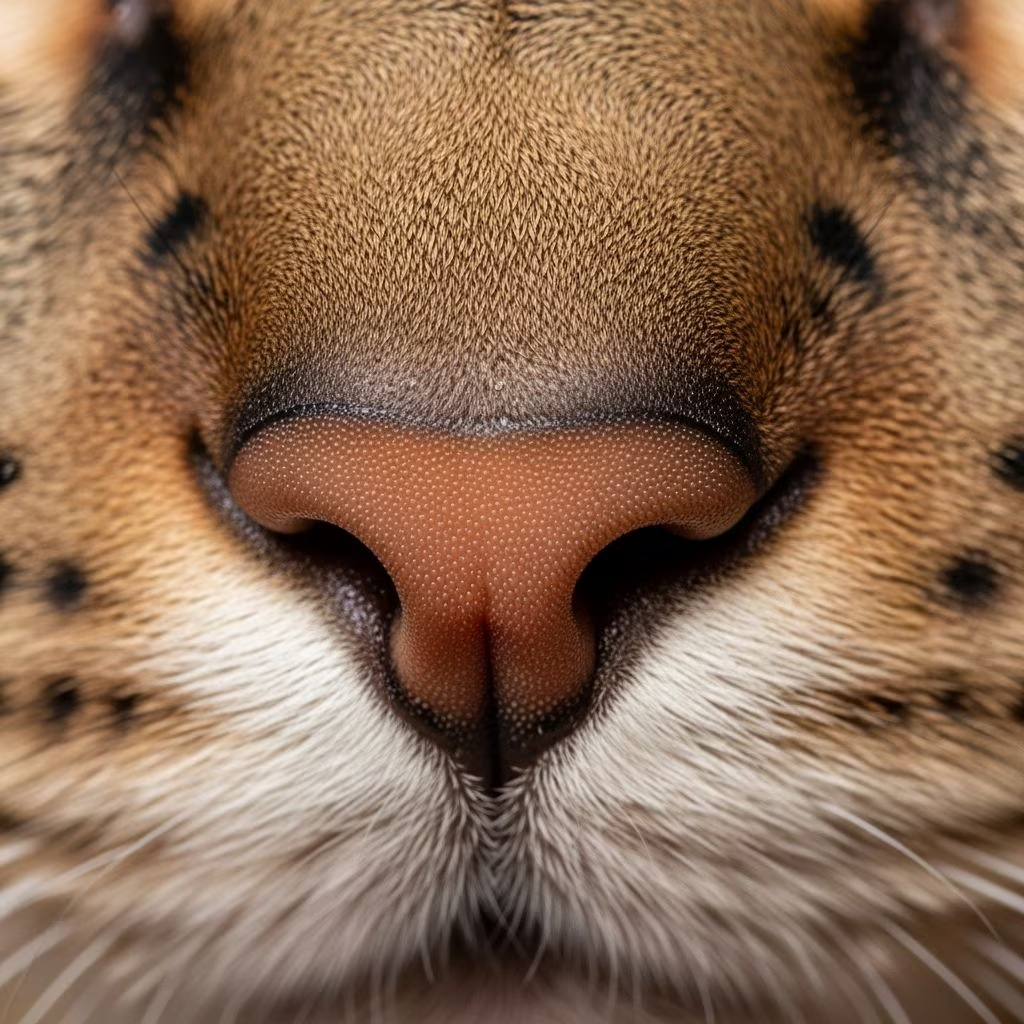
The nose of a cat serves as more than just a sensory tool; it can act as a window into their overall well-being. Subtle shifts in pigmentation or tone might seem minor, but they often reveal important clues about environmental influences, natural aging, or potential medical concerns. Cat owners frequently notice these variations and wonder if they signal trouble. This guide delves into the spectrum of causes, from everyday fluctuations to urgent health flags, empowering you to monitor your pet effectively.
Normal Variations in Feline Nose Pigmentation
Cats exhibit a wide array of nose colors, typically matching their fur patterns—pink in light-coated breeds, black or brown in darker ones. These hues are determined by melanin levels and genetics. Over a cat’s lifetime, minor adjustments occur without cause for alarm.
- Temperature Fluctuations: In cooler conditions, blood vessels constrict (vasoconstriction), lightening the nose to conserve heat. Warmer environments prompt dilation (vasodilation), darkening it for cooling.
- Mood and Activity: Excitement, play, or stress triggers similar vascular responses, temporarily pinkening or deepening the shade.
- Aging Processes: Kittens often sport lighter noses that darken with maturity. Older cats may develop lentigo—harmless black freckles—or hyperpigmentation from melanin buildup.
- Daily Cycles: Circulation ebbs during rest, paling the nose, and surges with activity, enriching color.
These benign changes revert quickly and lack accompanying symptoms like lethargy or appetite loss.
Age-Related Nose Transformations
As cats age, their noses evolve predictably. Newborn kittens frequently have pink noses that pigment over months, aligning with coat color. By adulthood, stability sets in, but seniors (over 10 years) might see gradual darkening or spotting.
| Life Stage | Typical Nose Change | Reason |
|---|---|---|
| Kitten (0-6 months) | Light pink to matching fur | Pigment development |
| Adult (1-7 years) | Stable base color | Genetic maturity |
| Senior (8+ years) | Hyperpigmentation or spots | Melanin shifts, lentigo |
Such transformations are cosmetic and painless, differing from abrupt or patchy alterations.
Environmental Influences on Nose Appearance
A cat’s surroundings profoundly impact nose tone. Indoor felines face fewer extremes, but all experience subtle effects.
- Sunlight Exposure: UV rays boost melanin, gradually browning light noses, akin to human tanning.
- Seasonal Shifts: Winter paleness from chill; summer flush from heat.
- Cleaning Habits: Food residue or dirt temporarily discolors; diligent grooming restores normalcy.
- Breed Traits: Light-furred cats show changes more vividly; dark ones subtly.
Monitor for persistence beyond environmental normalization.
Allergies and Skin Conditions Affecting the Nose
Irritants provoke inflammatory responses, altering nose leather texture and color.
- Contact Allergies: Pollen, plastics, or cleaners cause redness, swelling, itching. Nose brightens or flakes.
- Food Sensitivities: Proteins trigger eosinophilic granuloma—ulcers or plaques shifting hues.
- Feline Acne: Blackheads or pimples darken pores, mimicking pigmentation.
Symptoms include pawing, crusting. Antihistamines or hypoallergenic diets aid, per vet guidance.
Infections and Their Impact on Nose Color
Bacterial, fungal, or viral invaders disrupt skin integrity.
- Upper Respiratory Infections: Herpes or calicivirus cause discharge, crusting, reddening.
- Bacterial Overgrowth: Cracks invite pus, lightening or spotting.
- Fungal Issues: Rare ringworm patches alter pigment unevenly.
Accompanying sneezing, fever demands antibiotics or antivirals.
Systemic Diseases Indicated by Nose Changes
Internal imbalances manifest externally.
- Anemia: Pale or white nose from low red blood cells, often with weakness.
- Hypoxia: Blue-gray tint signals oxygen deprivation—heart/lung failure or toxins. Emergency!.
- Jaundice: Yellowing from liver dysfunction affects nose, gums.
- Autoimmune Disorders: Lupus-like conditions lighten or ulcerate.
Bloodwork diagnoses; delays risk organ damage.
Trauma, Injuries, and Scarring Effects
Physical damage induces acute shifts.
Fights, falls, or burns redden via inflammation, potentially scarring white or depigmented. Bleeding or swelling accompanies. Clean wounds, seek sutures if deep.
When Nose Color Shifts Demand Immediate Vet Care
- Sudden blue/purple: Oxygen crisis.
- Persistent yellow: Liver check.
- White/pale + lethargy: Anemia/dehydration.
- Red, swollen, ulcerated: Infection/allergy.
- Any change + vomiting/diarrhea: Systemic issue.
Err on caution; early intervention saves lives.
Home Monitoring and Basic Care Tips
Track changes with photos, note context (weather, diet). Ensure clean bowls, allergen-free bedding. Hydration prevents dryness.
Diagnostic Approaches by Veterinarians
Vets inspect, biopsy if needed, run CBC, chemistries, imaging. Allergy tests pinpoint triggers.
Preventive Measures for Healthy Nose Skin
- Balanced diet with omega-3s.
- Parasite control.
- Vaccinations against respiratory foes.
- Sun protection for light noses.
Frequently Asked Questions
Why does my cat’s nose turn pink sometimes?
This vasodilation from heat, excitement, or activity is normal and reverses quickly.
Is a blackening nose a cancer sign?
Usually hyperpigmentation or lentigo, but vet rules out melanoma.
What if the nose is dry and changing color?
May indicate dehydration or allergy; increase water, consult vet.
Do all cats’ noses change with seasons?
Most do subtly via temperature/circulation.
Should I worry about a white nose on a black cat?
If temporary (cold/stress), no; persistent, yes—check anemia.
References
- Why Is My Cat’s Nose Changing Color? Our Vet Answers — Catster. 2023-05-15. https://www.catster.com/ask-the-vet/why-is-my-cats-nose-changing-color/
- Why Does My Cat’s Nose Change Color? — Cats.com. 2024-02-10. https://cats.com/why-does-my-cats-nose-change-color
- Why Your Cat’s Nose is Changing Color — Bayshore Veterinary Clinic. 2023-11-20. https://bayshore-vet.com/blog/cat-nose-changing-color/
- 6 Emergency Reasons Why Your Cat’s Nose is White — Veg.com. 2024-01-05. https://www.veg.com/post/6-emergency-reasons-why-your-cats-nose-is-white
- Do Cats Noses Change Color With Age? — YouTube/Senior Cat Wellness. 2023-08-12. https://www.youtube.com/watch?v=XDvi_6LvFJ0



