

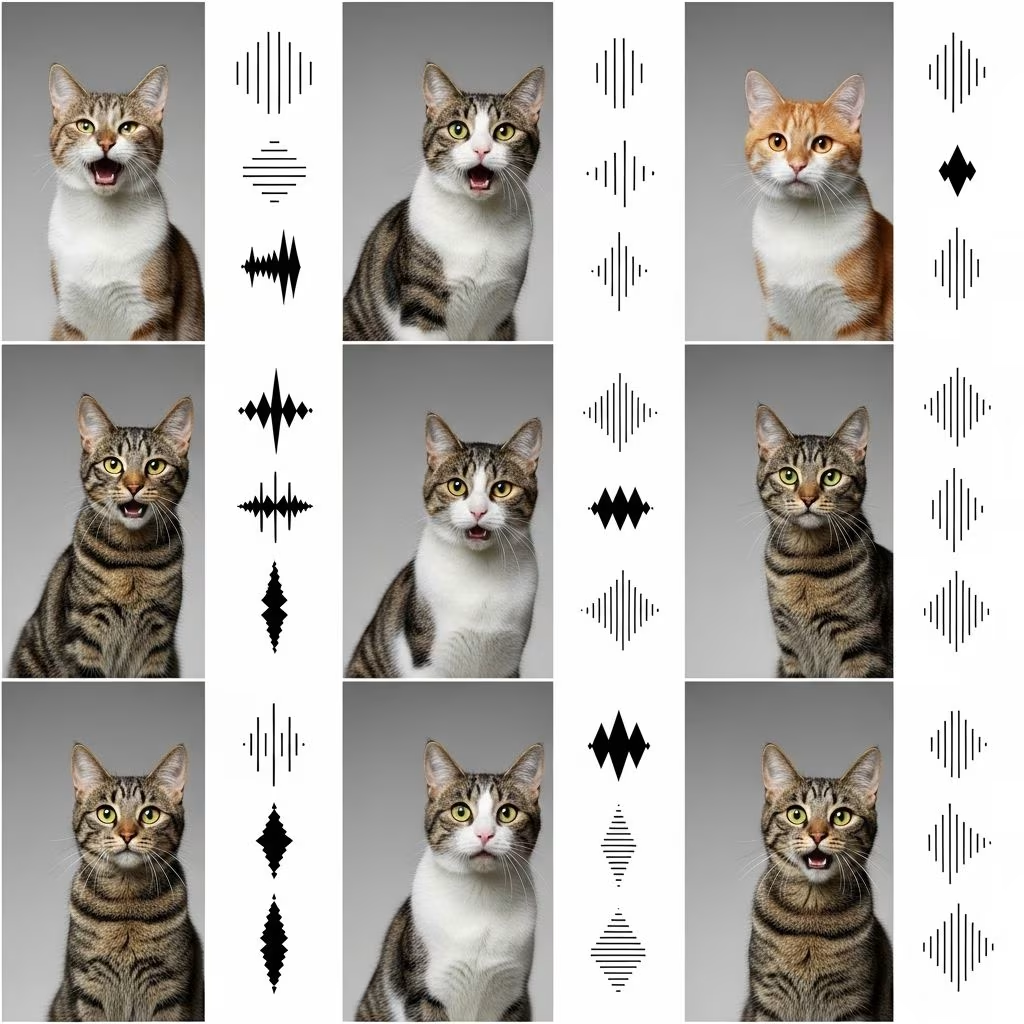
Cats are known for their unique ability to vocalize and communicate with their owners. While not all cat breeds are equally chatty—Maine Coons tend to be much quieter than talkative Siamese cats—understanding cat sounds, combined with reading your cat’s body language, allows pet parents to better understand their kitty’s needs, moods, and intentions. Feline vocalizations range from gentle meows to loud yowls, each carrying specific meaning that can help you respond appropriately to your cat’s requirements.
Understanding Cat Vocalizations
Cats use a variety of vocalizations to express themselves and communicate with humans and other animals. Each sound your cat makes serves a purpose, whether it’s seeking attention, expressing contentment, or signaling distress. By learning to recognize and interpret these sounds, you can strengthen your relationship with your feline companion and address their needs more effectively.
1. Meowing
Meowing is perhaps the most distinctive and recognizable cat sound. It’s a high-pitched call that many people associate with cats. Interestingly, while kittens meow to attract their mothers, adult cats use meowing almost exclusively to communicate with humans rather than with other cats.
Common reasons cats meow include:
- Greeting someone with a friendly hello
- Soliciting play and interaction
- Expressing excitement or frustration
- Asking for something specific, such as attention, food, or access to a particular space
- Requesting to come inside or to be let into a room
However, not all meows are created equal. Sometimes a cat meow can indicate anxiety, boredom, frustration, or even illness, particularly if it’s lower-pitched and more drawn out compared to the short, high-pitched meow that often signifies a greeting or a want. If your cat is meowing more than usual or if their meows start to sound different, it’s important to call your veterinarian to rule out any underlying health concerns.
2. Purring
A purr is a low, continuous, rhythmic tone that cats produce during breathing. Most people recognize purring as a sign of contentment and pleasure, indicating that your cat is happy and comfortable. However, the story of purring is more complex than many cat owners realize.
Research from the University of Vienna has revealed that cats produce purring sounds through vibration of their vocal folds at a low frequency, creating a distinctive rumbling sound with harmonics. Scientists discovered that muscle contraction is not required; instead, connective tissue embedded in the vocal folds lowers the frequency of the sounds produced.
Important context for purring:
While purring typically indicates contentment, purrs can also mean that a cat is scared, sick, or in pain. Like all feline communication, purring must be evaluated in context with the cat’s body language. If the cat’s ears are back, their pupils are dilated, they’re tense or hunched up, or they’re acting differently than normal, then purring may indicate that the cat is uncomfortable or unhappy.
3. Chirping and Trilling
Chirping and trilling are unique vocalizations that cats produce, often described as a cross between a meow and a purr. These sounds typically indicate excitement or curiosity. You might hear your cat chirp or trill when they see birds outside the window or when you come home after being away. Some cats also use these sounds to greet their owners or to call attention to something interesting they’ve discovered.
Trilling is particularly common when cats are excited or when they want to encourage someone to follow them to a specific location. It’s generally a positive vocalization that suggests your cat is in a good mood and engaged with their environment.
4. Hissing and Spitting
Hissing is a defensive vocalization that cats use when they feel threatened or cornered. This sound is reminiscent of a snake’s hiss and serves as a warning to potential threats. Spitting is a more aggressive form of this vocalization, often accompanied by physical posturing such as arched backs and raised fur.
When your cat hisses or spits, they’re essentially saying “back off” and indicating that they’re not comfortable with a particular situation. This is a normal defensive behavior and doesn’t necessarily mean your cat is aggressive; it’s simply their way of establishing boundaries and protecting themselves from perceived threats.
5. Chattering and Clicking
Chattering is a distinctive rapid-fire vocalization that cats often make when watching birds or other prey animals. The sound resembles teeth chattering and is typically accompanied by excited body movements and tail twitching. Some experts believe that chattering may be an instinctive hunting behavior or a frustrated attempt at predatory vocalization.
Clicking sounds are another form of communication, sometimes used to get your attention or to express interest in something. While less common than meowing or purring, clicking can indicate that your cat wants you to notice something specific or that they’re trying to engage you in their activities.
6. Growling and Snarling
Growling and snarling are aggressive vocalizations that indicate your cat is angry or highly stressed. These sounds are usually accompanied by body language such as flattened ears, bared teeth, and a rigid posture. If you hear your cat growling or snarling, it’s best to give them space and avoid any interaction until they’ve calmed down.
These vocalizations typically occur during territorial disputes, during visits to the veterinarian, or when a cat feels threatened. Understanding when your cat is expressing these sounds can help you avoid situations that cause them stress.
7. Silent Meowing
Some cats appear to meow without producing any sound—this phenomenon is called silent meowing. During silent meowing, the cat goes through all the motions of meowing, opening their mouth and appearing to vocalize, but little to no sound emerges. This behavior often indicates affection or a greeting to their owner.
Silent meowing is generally considered a positive sign of bonding, though it’s important to observe the context and your cat’s overall body language to accurately interpret this behavior. Cats that perform silent meows are often those with particularly strong attachments to their owners.
8. Yowling and Howling
Often described as a louder, longer meow, a yowl is a drawn-out sound that cats can make that typically sounds more intense and urgent than a regular meow. A howl is similar to a yowl, but typically shorter in duration. Yowling and howling are signs that a cat is in distress, which may be physical distress from pain or illness, or emotional distress from worry, frustration, boredom, or confinement.
Situations where yowling occurs:
- Physical pain or discomfort from illness or injury
- Emotional distress or anxiety
- Elderly cats suffering from cognitive dysfunction syndrome or dementia
- Cats experiencing separation anxiety when family members are away
- Unspayed or unneutered cats during mating season
If your cat begins yowling more frequently than usual, especially if this represents a change in their typical behavior, a veterinary evaluation is warranted to rule out medical causes.
9. Screaming and Crying
Screaming and crying are extreme vocalizations that indicate severe distress or pain in cats. These sounds are urgent and demand immediate attention. If your cat is screaming or crying, this could indicate a medical emergency, such as severe pain, injury, or extreme fear.
When you hear your cat screaming or crying, it’s essential to assess the situation carefully. Check for signs of injury, ensure they haven’t been hit by a car or attacked by another animal, and contact your veterinarian immediately. These extreme vocalizations should never be ignored.
When to Be Concerned About Cat Noises
A general rule of thumb is that any change in a cat’s vocalization—the frequency, intensity, duration, or pitch—warrants a visit to the veterinarian to evaluate for pain, illness, or anxiety. Cats typically maintain consistent vocalization patterns, so deviations from their normal behavior can indicate an underlying problem.
Signs that warrant veterinary attention include:
- Sudden increase in meowing or yowling
- Changes in the sound or quality of your cat’s vocalizations
- Excessive vocalization accompanied by other behavioral changes
- Straining or labored sounds that might indicate breathing difficulties
- Vocalizations accompanied by signs of pain or distress
Factors That Influence Cat Vocalizations
Several factors can affect how much and how often your cat vocalizes. Understanding these factors can help you better interpret your cat’s behavior and determine when changes might indicate a problem.
Breed tendencies: Certain cat breeds are naturally more vocal than others. Siamese cats, for example, are famous for being “talkers,” while other breeds tend to be quieter and more reserved. Maine Coons, despite their large size, are typically quieter than Siamese cats.
Spay or neuter status: Hormones play a significant role in cat vocalization. Unspayed female cats in heat and unneutered male cats often vocalize much more frequently than their fixed counterparts.
Age: Kittens often meow excessively as they learn to communicate and explore their environment. Senior cats may vocalize more due to cognitive dysfunction or age-related health issues.
Environmental factors: A cat’s environment can influence their vocalizations. A dirty litter box, for instance, may prompt a cat to meow or yowl more frequently to express their displeasure.
The Importance of Body Language
To truly understand what your cat is communicating, you must pay attention to their body language in conjunction with their vocalizations. The position of their ears, the dilation of their pupils, their tail position, and their overall posture all provide crucial context for interpreting the meaning behind their sounds.
For example, a cat that is purring while their ears are forward, their body is relaxed, and they’re making slow blinks is clearly expressing contentment. However, a cat purring while their ears are flattened, their pupils are dilated, and their body is tense may be experiencing fear or pain despite the purring sound.
Frequently Asked Questions
Q: Why is my cat meowing so much more than usual?
A: Excessive meowing can indicate several issues, including boredom, attention-seeking, pain or illness, hormonal changes if your cat isn’t spayed or neutered, or even cognitive dysfunction in older cats. If your cat’s vocalization patterns have suddenly changed, consult your veterinarian to rule out medical causes.
Q: Is it normal for my cat to purr when they’re sick?
A: Yes, cats may purr even when they’re ill or in pain. Purring doesn’t always indicate happiness or contentment. Pay attention to other signs such as body language, appetite changes, or lethargy that might indicate an underlying health issue.
Q: What should I do if my cat is yowling frequently?
A: Frequent yowling can indicate pain, illness, anxiety, or if your cat is unspayed or unneutered, hormonal issues. Schedule a veterinary appointment to determine the cause and appropriate treatment.
Q: Are certain cat breeds more vocal than others?
A: Yes, breeds like Siamese, Tonkinese, and Oriental cats are known for being naturally more vocal, while breeds like Ragdolls and British Shorthairs tend to be quieter. However, individual personality also plays a significant role.
Q: What does it mean when my cat chirps or trills?
A: Chirping and trilling are generally positive vocalizations indicating excitement, happiness, or a greeting. Cats often trill to encourage their owners to follow them or to express interest in something they’ve noticed.
Q: How can I tell if my cat’s meow indicates a problem?
A: If your cat’s meow sounds different—particularly if it becomes lower-pitched, more drawn out, hoarse, or strained—or if the frequency of meowing increases dramatically, contact your veterinarian. These changes can indicate respiratory infections, pain, or other health issues.
Conclusion
Understanding your cat’s vocalizations is an essential part of responsible pet ownership. Each sound your cat makes carries meaning, and by learning to interpret these communications alongside observing their body language, you’ll develop a deeper understanding of your feline companion. Remember that any significant change in your cat’s vocalization patterns warrants professional veterinary evaluation to ensure their health and well-being. For some cats, medications to reduce anxiety or pain may be necessary to address the root cause of unusual vocalizations. By staying attentive to your cat’s sounds and behaviors, you can ensure they receive the care and attention they need to live a happy, healthy life.
References
- 9 Cat Noises and What They Mean — PetMD. 2024. https://www.petmd.com/cat/general-health/cat-noises
- Why Is My Cat Meowing So Much? — PetMD. 2024. https://www.petmd.com/cat/behavior/cat-meowing
- Noisy Breathing in Cats: What Are Stertor and Stridor? — PetMD. 2024. https://www.petmd.com/cat/symptoms/noisy-breathing-in-cats
- Cat communication — University of Vienna Feline Research Group. 2021. Vocalization research on laryngeal function in cats.
- MEOW! Cats in Translation — Merck Animal Health USA. 2024. https://www.merck-animal-health-usa.com/pet-owners/behavior/understanding-your-pet/meow-cats-in-translation/



