

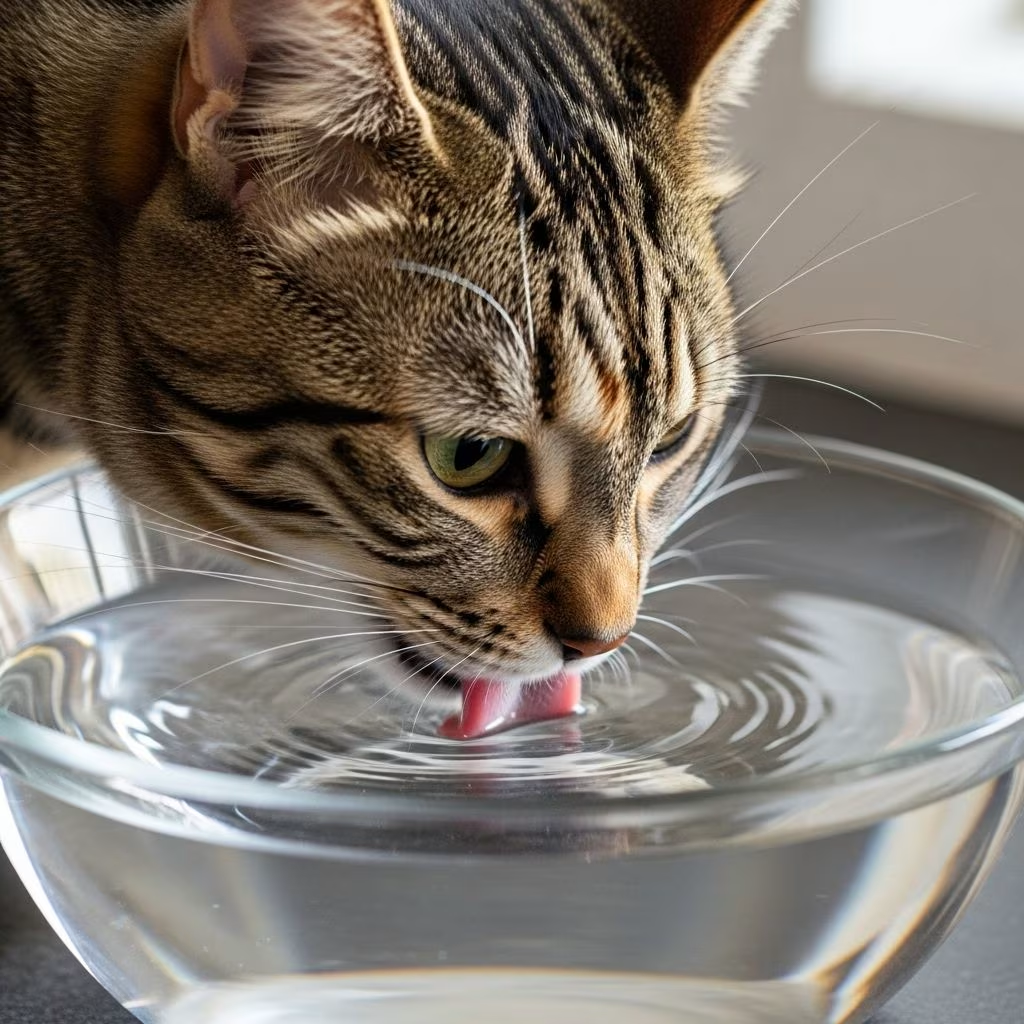
Cat owners frequently observe their pets producing peculiar sounds and vocalizations during routine water consumption. These auditory behaviors range from soft chirping to pronounced gurgling, coughing, or gagging sounds that occur before, during, or immediately after drinking. While some cats exhibit these sounds regularly as part of their unique personality, others may be signaling underlying health concerns that warrant professional evaluation. Understanding the distinction between benign behavioral quirks and potential medical issues is essential for maintaining your cat’s wellbeing.
Identifying Common Sources of Drinking-Related Vocalizations
When cats produce unusual noises while accessing their water supply, the causes typically fall into several predictable categories. Each source requires different attention levels and management strategies.
Rapid Water Consumption and Swallowing Difficulties
Many cats naturally drink water quickly, consuming large quantities in brief periods. This accelerated intake can trigger gagging, coughing, or gurgling sensations as water travels through the esophagus. Similar to humans who experience discomfort from rapid swallowing, cats may produce reflexive sounds when water enters their respiratory or digestive passages unexpectedly. The body’s protective mechanisms engage to manage the sudden liquid influx, resulting in audible vocalizations that typically resolve within moments.
Hairball Expulsion and Grooming-Related Issues
Cats spend considerable time grooming their coats, ingesting loose hair in the process. This accumulated fur can form hairballs within the digestive tract. Drinking water sometimes stimulates the gag reflex, prompting cats to expel hairballs they’ve been carrying. The resulting sounds—often described as retching or hacking—are the cat’s natural attempt to clear their airway or digestive system. Long-haired breeds experience this phenomenon more frequently than their short-haired counterparts.
Respiratory Tract Complications
Cats suffering from asthma, allergies, or other respiratory conditions may produce distinctive sounds when drinking. Airway irritation can intensify when water comes into contact with sensitive respiratory tissues, triggering coughing, wheezing, or other audible responses. These cats may show additional signs including labored breathing, chronic coughing in other contexts, or seasonal patterns correlating with environmental allergens.
Oral and Dental Dysfunction
Dental disease, tooth decay, and gum infections create pain during drinking. Cats experiencing oral discomfort may produce unusual sounds as a pain response or hesitation response before consuming water. They might also display reluctance to drink cold water specifically, as temperature can exacerbate dental sensitivity.
Personality-Based Behavioral Patterns
Many cats simply possess unique drinking habits that reflect their individual personalities. Some vocalize habitually before consuming water as a form of communication or ritualistic behavior. Others produce clicking, chattering, or humming sounds without any associated medical condition. These behavioral traits often remain consistent throughout the cat’s lifetime and pose no health risk.
Environmental and Situational Contributing Factors
Beyond internal health conditions, external circumstances significantly influence how cats drink and what sounds they produce during the process.
Water Temperature and Quality
Cats exhibit strong preferences regarding water characteristics. Cold water may trigger gagging responses in sensitive individuals, while stale or improperly stored water can discourage consumption or cause hesitation that manifests as vocalization. Providing fresh water consistently ensures your cat feels comfortable accessing their hydration source without hesitation or discomfort.
Drinking Vessel Design and Placement
The water bowl’s dimensions significantly impact feline drinking comfort. Deep or narrow bowls force cats to crane their necks awkwardly or compress their whiskers against the edges—a condition known as whisker fatigue that causes discomfort and hesitation. Shallow, wide bowls eliminate this irritation and reduce associated vocalizations. Placement matters equally; water bowls positioned near loud appliances, in high-traffic areas, or in locations where cats feel vulnerable may prompt anxious vocalizations before drinking.
Water Source Type Preferences
Many cats naturally prefer flowing or aerated water over still water in bowls, mimicking the fresh sources they would encounter in nature. When cats meow or vocalize before drinking from stationary bowls but drink happily from faucets or fountains, this behavior often indicates a preference rather than a medical concern. Installing a cat water fountain can dramatically reduce unnecessary vocalizations by providing the continuously flowing water many felines instinctively prefer.
Health Conditions Requiring Veterinary Assessment
While many drinking-related sounds are harmless, certain patterns indicate underlying medical issues that demand professional evaluation.
Persistent and Intensifying Symptoms
Cats that continuously cough or gag after drinking over extended periods likely have underlying respiratory or digestive disorders. When vocalization patterns change suddenly or intensify in frequency, this shift warrants veterinary investigation rather than home monitoring alone.
Respiratory Distress Indicators
Difficulty breathing following water consumption represents a potential medical emergency. Cats struggling for air, wheezing audibly, or showing signs of oxygen deprivation require immediate professional intervention. These symptoms may indicate foreign body aspiration, severe respiratory disease, or other critical conditions.
Concurrent Behavioral and Physiological Changes
When unusual drinking sounds occur alongside appetite changes, behavioral shifts, increased thirst without apparent cause, or unexplained weight loss, these combinations suggest systemic health problems. Feline chronic kidney disease, for example, increases thirst substantially while potentially affecting how cats drink and respond to water consumption. Hyperthyroidism and other metabolic conditions similarly manifest through altered drinking patterns and associated vocalizations.
Foreign Object or Aspiration Concerns
Gulping sounds or pronounced choking-like vocalizations may indicate a foreign object lodged in the throat, a potentially serious situation requiring immediate assessment. Cats that suddenly begin gasping, gagging intensely, or struggling visibly should receive emergency veterinary care without delay.
Practical Strategies for Supporting Your Cat’s Drinking Experience
Several evidence-based approaches can improve your cat’s comfort and reduce unnecessary vocalizations related to water consumption.
Monitoring and Documentation
Carefully observing your cat’s drinking habits provides valuable information for veterinary consultations. Note the timing of sounds (before, during, or after drinking), frequency patterns, associated behaviors, and any contextual factors. This documentation helps distinguish between harmless quirks and potential health concerns.
Hydration Enhancement Techniques
Installing a cat water fountain encourages slower, more deliberate drinking while providing the aerated water many cats naturally prefer. Multiple water stations positioned throughout your home in quiet, secure locations increase accessibility and reduce stress-related vocalizations. Offering water at room temperature or slightly cool (not cold) accommodates temperature sensitivities some cats experience.
Bowl and Environment Optimization
Transitioning to shallow, wide bowls eliminates whisker fatigue and associated discomfort. Placing water sources away from litter boxes, food dishes, and high-traffic areas creates a calm drinking environment. Some cats appreciate water bowls elevated slightly above floor level, reducing neck strain during consumption.
Dietary and Nutritional Support
Maintaining balanced nutrition supports overall health and reduces conditions that might cause drinking-related vocalizations. Proper diet helps prevent hairball formation, supports respiratory function, and reduces digestive disturbances that might trigger coughing or gagging during water consumption.
Age-Related Considerations in Feline Drinking Behavior
Senior cats frequently exhibit increased vocalization during routine activities, including drinking water. Cognitive decline in aging felines can create confusion or anxiety around daily habits, causing cats to vocalize more frequently before consuming water or food. Maintaining stable routines, ensuring consistent water bowl placement, and offering gentle reassurance helps senior cats feel secure and reduces stress-related vocalizations.
Frequently Asked Questions
- When should I contact a veterinarian about my cat’s drinking noises? Seek professional evaluation if vocalizations persist daily, intensify in frequency, or accompany other behavioral changes, appetite loss, weight fluctuations, or breathing difficulties. Any indication of respiratory distress warrants immediate emergency care.
- Can I safely examine my cat’s throat myself? While you can observe your cat’s mouth during grooming, avoid inserting objects or forcing examination of the throat. Attempting to identify foreign objects without professional guidance risks further injury. Veterinarians possess proper lighting and instruments for safe evaluation.
- Do water fountains really reduce drinking-related vocalizations? Many cats vocalize less when using fountains because flowing water aligns with their natural preferences and encourages slower consumption. Results vary by individual, but fountains represent a low-risk intervention worth attempting.
- Could my cat’s drinking sounds indicate stress or anxiety? Yes, vocalizations before or during drinking sometimes reflect stress about the drinking environment itself. If your cat meows hesitantly before drinking but produces no sounds during the actual consumption, environmental adjustment may resolve the behavior.
- Are some cat breeds more prone to drinking-related vocalizations? Long-haired breeds experience hairball-related vocalizations more frequently, while brachycephalic (flat-faced) breeds may have inherent respiratory considerations. However, individual variation exceeds breed-based patterns for most drinking-related sounds.
Summary of Management Approaches
| Situation | Likely Cause | Recommended Action |
|---|---|---|
| Occasional gagging or coughing | Rapid water intake | Provide water fountain; monitor frequency |
| Persistent coughing with hairball sounds | Hairball formation | Increase grooming; consider hairball remedies |
| Wheezing or labored breathing | Respiratory condition | Schedule veterinary evaluation immediately |
| Hesitant vocalization before drinking | Oral pain or dental disease | Arrange dental examination with veterinarian |
| Routine vocalization without health signs | Personality quirk | No intervention needed; monitor for changes |
| Vocalizations plus appetite/weight changes | Systemic disease | Comprehensive veterinary assessment required |
Final Considerations
Cats producing unusual sounds during water consumption present a common situation with multiple potential explanations. Distinguishing between harmless behavioral quirks and medically significant symptoms requires careful observation and, when necessary, professional veterinary expertise. By monitoring your cat’s overall health patterns, optimizing their drinking environment, and seeking timely veterinary care when concerning signs emerge, you support your feline companion’s long-term wellbeing. Most cats who vocalize during drinking experience no adverse health effects, but remaining attentive to changes ensures you identify and address genuine medical concerns promptly.
References
- Why Does My Cat Make Weird Noises After Drinking Water? — Uahpet. 2024. https://www.uahpet.com/blogs/post/why-does-my-cat-make-weird-noises-after-drinking-water
- My Cat Just Started Making a Gurgling Sound After Drinking Water — Dial A Vet. 2024. https://www.dialavet.com/vet-answers/cat-gurgling-after-drinking-23231
- Why Does My Cat Meow Before Drinking Water? Understanding This Curious Behavior — Cat Tree UK. 2024. https://cattree.uk/why-does-my-cat-meow-before-drinking-water-understanding-this-curious-behavior/
- Why Is My Cat Drinking So Much Water – Common Reasons — Revel Vet. 2024. https://revelvet.com/blog/why-is-my-cat-drinking-so-much-water/
- Cat Making Strange Vocalizations – Health & Care — Cats.com Community. 2024. https://cats.com/community/health-care/strange-vocalizations



