

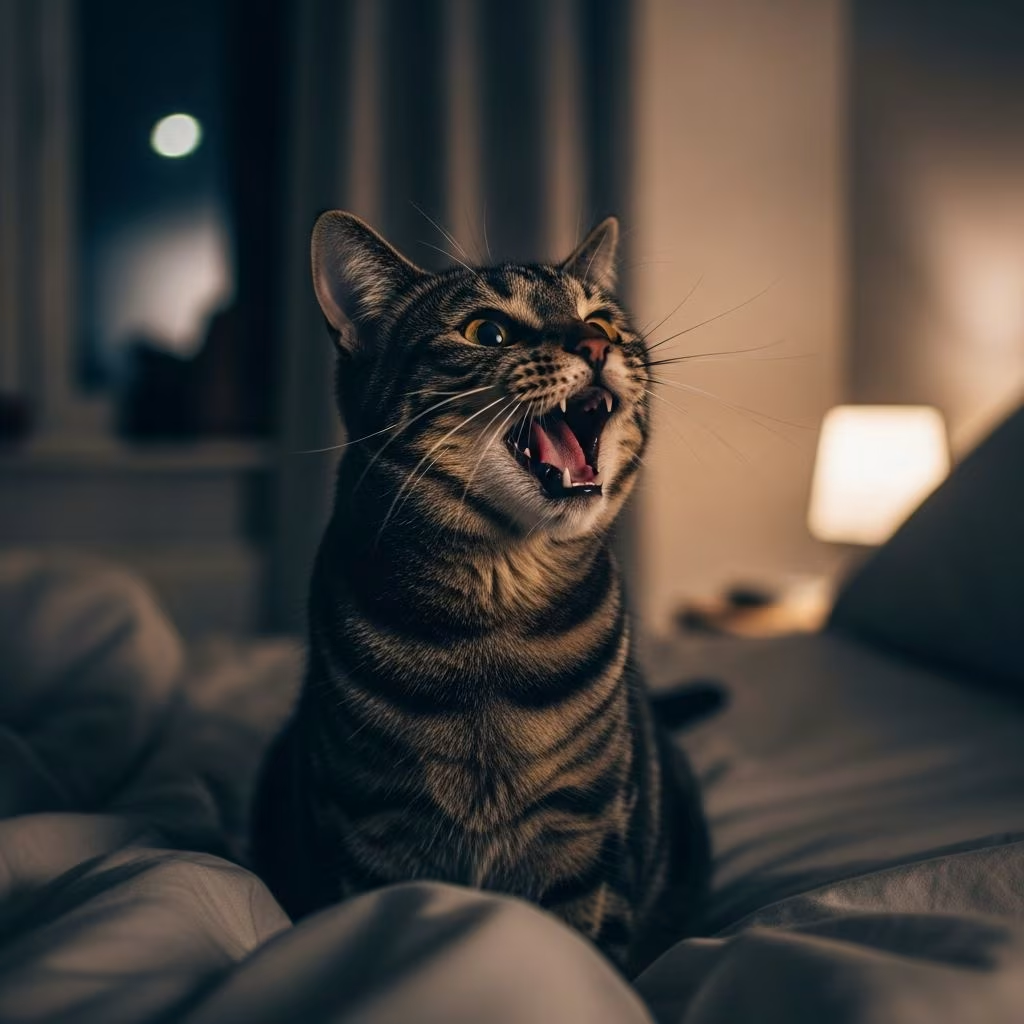
Many cat owners face the challenge of loud, persistent yowling from their pets during nighttime hours, disrupting sleep and raising concerns about their feline’s health or happiness. This vocal behavior, often described as a deep, drawn-out call, can stem from basic needs, behavioral patterns, or medical conditions. Understanding the root causes allows for targeted interventions that promote quieter nights and better cat welfare.
Recognizing Normal vs. Problematic Vocalizations
Cats communicate through a range of sounds, but yowling stands out for its intensity and volume. Unlike soft meows for attention or purrs for contentment, yowling signals urgency or distress. It typically occurs in the quiet of night when human activity is low, amplifying its effect on household peace. Distinguishing between occasional calls and chronic patterns is key to addressing the issue effectively.
| Sound Type | Typical Meaning | Recommended First Step |
|---|---|---|
| Soft, repetitive meows | Attention or mild hunger | Check food/water; ignore if fed |
| Loud, prolonged yowls | Distress, pain, or mating urge | Vet check for health issues |
| Guttural cries | Discomfort or confusion | Observe for other symptoms |
| Intermittent calls | Boredom or routine disruption | Increase daytime stimulation |
Everyday Triggers for Nighttime Calls
Simple unmet needs often explain why cats vocalize after dark. Hunger prompts many instances, as cats are crepuscular—most active at dawn and dusk—and may wake expecting food. An empty bowl or stale water can trigger insistent yowls. Similarly, a dirty litter box repels fastidious cats, leading to complaints until cleaned.
- Hunger signals: Pre-dawn yowling peaks if the last meal was early evening.
- Litter issues: Cats avoid soiled boxes, yowling to demand service.
- Thirst drive: Fresh water placement near sleeping areas reduces calls.
Boredom plays a significant role, especially in indoor-only cats lacking outlets for natural instincts like hunting and climbing. Without daytime enrichment, energy builds, resulting in nocturnal activity and noise. Signs include daytime lethargy shifting to nighttime vigor.
Behavioral Factors Behind the Noise
Instinctual drives amplify yowling in unsterilized cats. Females in heat emit loud calls to attract mates, while intact males respond with territorial yowls. Spaying or neutering eliminates these cycles, reducing vocalizations dramatically. Owners report marked improvement post-procedure, confirming hormonal influence.
Stress from household changes—new pets, rearranged furniture, or owner schedule shifts—unsettles cats, prompting anxiety-driven yowls. Overstimulation during the day, from rough play or excessive petting, carries over into restless nights. Cats seeking interaction may escalate to yowling when ignored.
Daily Cat Wellness Audit
- Is the litter box scooped twice daily?
- Are multiple fresh water sources available?
- Has playtime included stalking and pouncing simulations?
- Are there vertical spaces for climbing and perching?
- Any recent changes in routine or home layout?
Health Conditions Linked to Night Yowling
When behavioral fixes fail, medical evaluation is essential. Hyperthyroidism, prevalent in cats over 10 years, accelerates metabolism, causing restlessness, increased appetite, and nighttime wandering with yowls. Weight loss despite voracious eating is a red flag.
Kidney disease manifests with excessive thirst, frequent urination, and vocal distress from discomfort. Seniors often suffer silently until yowling signals pain. Arthritis limits mobility, leading to pained calls when jumping or shifting positions proves difficult.
Cognitive dysfunction syndrome (CDS), akin to dementia, affects older cats, causing disorientation, altered sleep cycles, and confused yowling. Poor vision exacerbates nighttime confusion; low-light aids like nightlights help navigation.
- Hyperthyroidism symptoms: Hyperactivity, weight loss, voracious hunger.
- Kidney disease signs: Thirst, urination changes, lethargy.
- Arthritis indicators: Stiffness, limping, reluctance to jump.
- CDS markers: Disorientation, sleep reversal, house soiling.
Proven Strategies to Curb Nighttime Yowling
Start with a veterinary exam to rule out illness, as untreated conditions worsen behavior. For healthy cats, structured routines yield results. Evening play sessions mimicking hunt-chase-kill-eat sequences tire cats naturally. Use wand toys for 15-20 minutes before bedtime, followed by a small meal.
Ignore yowls to avoid reinforcement—responding teaches cats noise equals attention. Auto-feeders dispense dawn portions, curbing hunger wakes. Enrich environments with puzzle toys, cat trees, and window perches for mental stimulation.
For stress, pheromone diffusers or calming treats soothe nerves. CBD products, vet-approved, offer anxiety relief for non-responders to catnip. Nighttime separation in a comfortable room with resources prevents disturbances while maintaining bonds.
Play Routine Schedule Example
| Time | Activity | Purpose |
|---|---|---|
| Evening (7-8 PM) | Interactive wand play | Expend energy, simulate hunting |
| Bedtime | Small meal or treat | Complete predatory cycle |
| Night | Quiet zone access | Promote restful sleep |
| Dawn | Auto-feeder release | Satisfy hunger without owner wake |
Caring for Senior Cats with Vocal Habits
Aging cats demand tailored approaches. Ramp access to high spots eases arthritic strain. Prescription diets manage kidney or thyroid issues, slowing progression. Medications like gabapentin address pain or anxiety. CDS supplements with antioxidants support brain health; consistency in routines anchors disoriented pets.
Monitor for hypertension, another senior woe causing distress yowls. Regular blood pressure checks during vet visits catch it early. Nightlights and consistent bedding scents reduce CDS-related confusion.
Long-Term Prevention Tips
Preventive care minimizes yowling risks. Annual senior wellness exams detect issues early. Maintain ideal weight to lessen joint stress. Rotate toys to combat boredom. Multi-cat homes need ample resources per cat to avoid territorial disputes.
Foster bonds through daily gentle interactions, respecting signals to avoid overstimulation. Track yowling patterns in a journal, noting triggers and responses for vet insights.
Frequently Asked Questions
Why does my cat yowl only at night?
Night yowling often ties to crepuscular rhythms, unmet needs like hunger, or conditions worsening in quiet hours, such as CDS disorientation.
Will ignoring the yowling make it stop?
Yes, for attention-seeking; combined with daytime enrichment, it extinguishes the habit without rewarding noise.
Is nighttime yowling always a health problem?
No, but persistent or sudden onset warrants a vet visit to exclude pain, thyroid issues, or kidney disease.
Can diet changes help reduce yowling?
Absolutely; wet, low-phosphorus foods support kidney health, while timed feeding prevents hunger wakes.
How long until changes take effect?
Behavioral shifts show in 1-2 weeks; medical treatments vary, but consistency accelerates improvement.
References
- Meowing and Yowling — ASPCA. Accessed 2026. https://www.aspca.org/pet-care/cat-care/common-cat-behavior-issues/meowing-and-yowling
- The Cat’s Meow! Caterwauling in Cats — VCA Animal Hospitals. Accessed 2026. https://vcahospitals.com/know-your-pet/the-cats-meow-caterwauling-in-cats
- Why Is My Cat Yowling At Night? Causes & How To Stop Caterwauling — Rover. Accessed 2026. https://www.rover.com/blog/cat-yowling-at-night/
- Cat Meowing at Night? 6 Tips to Stop the Noise — Lady N Pet. Accessed 2026. https://ladynpet.com/us/blog/cat-meowing-at-night/
- How To Stop Your Cat From Meowing at Night — Chewy. Accessed 2026. https://www.chewy.com/education/cat/training-and-behavior/cat-meowing-at-night



