

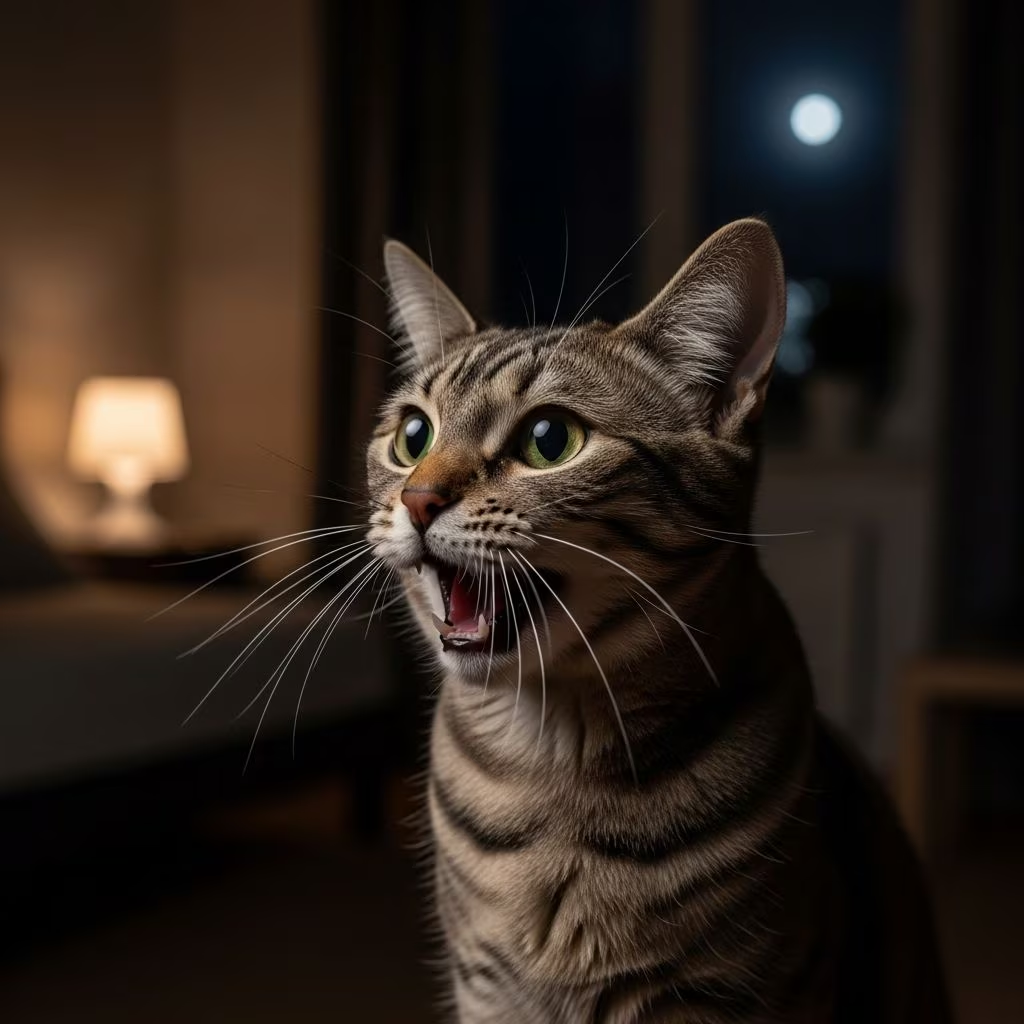
Many cat owners face the challenge of persistent meowing during nighttime hours, disrupting sleep for both human and feline household members. This vocal behavior often signals unmet needs, instincts, or underlying problems that can be addressed with targeted adjustments to routine, environment, and care.
Understanding Feline Circadian Rhythms
Cats are naturally crepuscular, meaning they are most active during twilight periods of dawn and dusk rather than strictly nocturnal. This evolutionary trait stems from their wild ancestors who hunted small prey at these times when rodents were active. In domestic settings, this translates to bursts of energy around early morning or late evening, prompting vocalizations to engage owners or express readiness for activity.
Younger cats and kittens exhibit stronger crepuscular patterns due to higher energy levels and developmental needs. As felines age, many adapt to human schedules through consistent routines, but some retain these tendencies lifelong, leading to 3-4 AM wake-up calls. Recognizing this biological clock is the first step in managing nighttime noise.
Boredom and Lack of Daytime Activity
A primary driver of evening vocalizations is insufficient mental and physical stimulation during waking hours. Indoor cats, in particular, may sleep excessively by day, building up energy reserves that unleash at night. Without outlets for climbing, hunting simulations, or exploration, they resort to meowing for interaction.
- Provide vertical spaces like wall shelves or multi-level trees to allow territorial surveying and exercise.
- Incorporate puzzle feeders and rotating toys to engage problem-solving instincts.
- Aim for 15-30 minutes of daily interactive play to mimic predation cycles.
Owners who work long hours often return to find their cats napping all day, primed for nocturnal zoomies. Transforming living spaces into enrichment zones prevents this buildup.
Hunger, Thirst, and Feeding Schedules
Cats prefer multiple small meals daily, emulating their natural grazing habits. If the last feeding occurs too early, genuine hunger can trigger cries around bedtime or predawn. Thirst plays a similar role; stale or empty water sources prompt complaints.
Some clever cats learn that vocalizing yields midnight snacks, reinforcing the habit. Solutions include:
- A late-evening meal timed 1-2 hours before bed, followed by lights out.
- Automatic feeders dispensing small portions overnight for persistent cases.
- Multiple fresh water stations, including fountains to encourage drinking.
Avoid free-feeding dry kibble if it leads to overeating; measured portions maintain health while curbing demands.
Health Conditions Prompting Vocal Distress
Sudden or intensified nighttime meowing often indicates medical concerns. Conditions like hyperthyroidism, chronic kidney disease, arthritis, hypertension, and urinary tract infections cause discomfort peaking in quiet hours. Elderly cats may suffer cognitive dysfunction syndrome (CDS), akin to dementia, leading to disorientation and cries in darkness; up to 50% of cats over 15 show CDS signs.
Pain from dental issues or general malaise amplifies vocalization. Veterinary evaluation is essential for any new patterns, especially with accompanying symptoms like litter box avoidance, weight loss, or lethargy. Early intervention improves outcomes and quality of life.
Hormonal Drives in Intact Cats
Unaltered males and females experience intense hormonal surges, with females in heat yowling loudly to attract mates, often at night. Males respond similarly, patrolling and calling. This differs from standard meows in tone and persistence.
Spaying or neutering eliminates these behaviors in most cases, alongside health perks like lowered cancer risks. Consult a vet for timing, particularly for kittens reaching puberty around 4-6 months.
Stress, Anxiety, and Environmental Shifts
Routine disruptions—new pets, moves, family additions, or furniture changes—unsettle cats, manifesting as anxious nighttime calls. They seek reassurance in familiar presences during vulnerable hours.
Mitigate with:
- Consistent daily schedules for feeding, play, and quiet time.
- Safe retreats like covered beds or elevated perches.
- Pheromone diffusers mimicking calming scents.
Gradual introductions to changes allow adjustment periods.
Effective Strategies to Curb Nighttime Vocalizations
Addressing root causes requires a multi-faceted approach emphasizing prevention and consistency.
Pre-Bedtime Play Sessions
Engage in vigorous play using wand toys or laser pointers 1-2 hours before sleep, ending with a meal to replicate hunt-eat-rest cycles. This tires cats naturally, promoting deeper slumber.
Ignore Attention-Seeking Safely
After ruling out needs and health issues, withhold all responses—no talking, eye contact, or petting. Even scolding provides reinforcement. Patience yields results in 1-2 weeks.
Optimize the Environment
Ensure litter boxes are scooped daily, water refreshed, and spaces clutter-free. Nightlights aid senior cats with vision decline.
| Issue | Quick Fix | Long-Term Solution |
|---|---|---|
| Boredom | Evening play | Enrichment furniture |
| Hunger | Late snack | Scheduled feeders |
| Health | Vet visit | Regular checkups |
| Stress | Calm space | Routine stability |
Long-Term Prevention for Harmonious Nights
Building a stimulating daytime world prevents nocturnal disruptions. Invest in durable cat trees, window perches for bird-watching, and varied toys. Track patterns via journals to pinpoint triggers. For persistent issues, behaviorists or vets may suggest supplements like L-theanine for anxiety.
Patience and consistency transform disruptive habits. Most cats adapt within weeks, fostering stronger bonds through mutual understanding.
Frequently Asked Questions
Why does my cat meow at 3 AM consistently?
This timing aligns with crepuscular peaks, compounded by hunger, boredom, or learned responses. Vet checks first, then enrich days.
Does pre-bed play always work?
It reduces energy-driven meowing for many but pairs best with ignoring tactics and routine.
Can anxiety trigger night cries?
Yes, changes like new pets or moves heighten insecurity; stable environments and retreats help.
Is nighttime meowing a senior cat issue?
Often linked to CDS or pain; nightlights and vet care support aging felines.
Should I feed my cat at night?
A small pre-bed portion yes; responding to cries risks reinforcement.
References
- Why Does My Cat Meow at Night? Causes and Solutions — The Refined Feline. 2023. https://www.therefinedfeline.com/why-do-cats-meow-at-night/
- 5 Reasons Your Cat Won’t Stop Meowing At Night & How To Stop It — YouTube (Video). 2023. https://www.youtube.com/watch?v=1gWWnz8IhHA
- 10 Reasons Your Cat Cries Or Meows At Night (and What To Do) — Atlantic Veterinary Hospital Seattle. 2024. https://atlanticvetseattle.com/10-reasons-your-cat-cries-or-meows-at-night/
- 6 reasons why your cat meows at night (and practical solutions) — Pet Rebels. 2023. https://www.petrebels.com/en/blog-cat-behavior-why-cats-meow-at-night/
- Meowing and Yowling — ASPCA. 2024-02-17. https://www.aspca.org/pet-care/cat-care/common-cat-behavior-issues/meowing-and-yowling



