

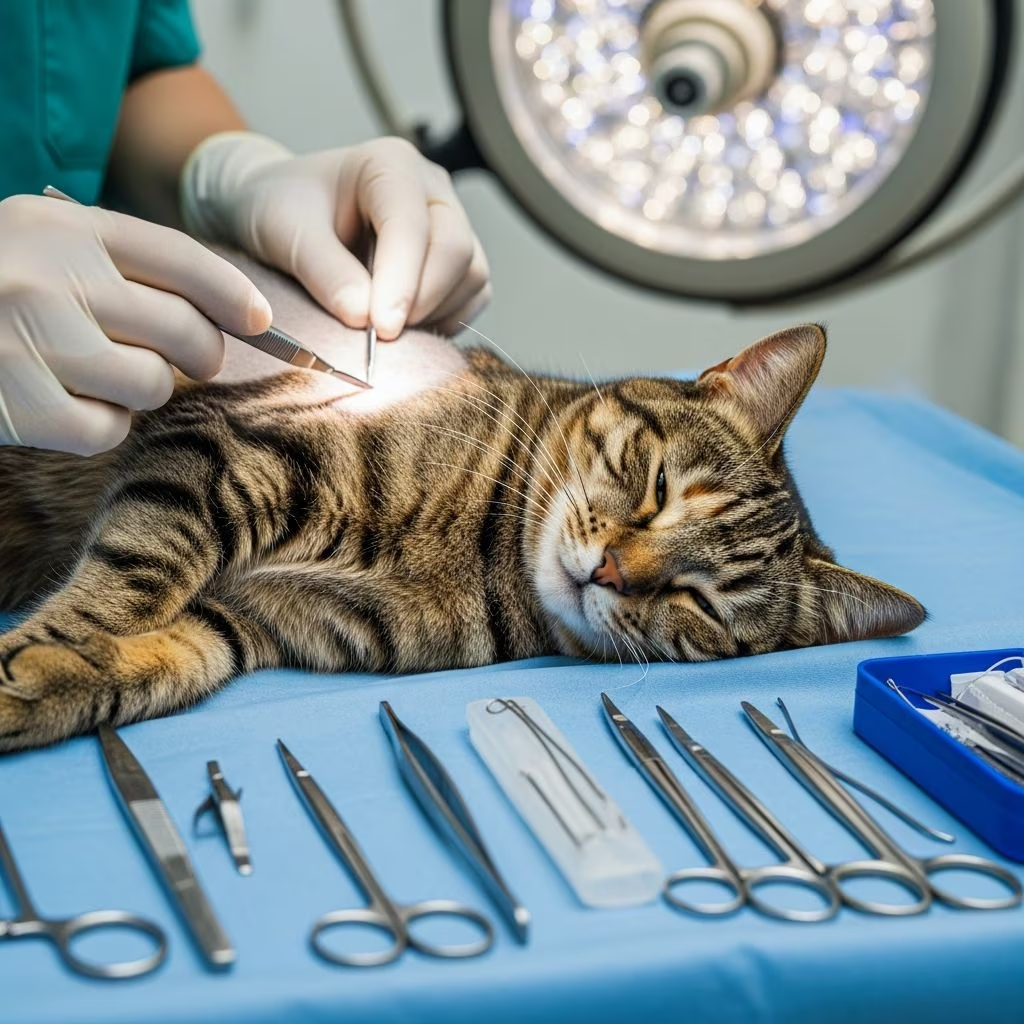
The decision to surgically sterilize your cat represents one of the most significant health investments you can make as a pet owner. Whether your companion is male or female, the procedure offers transformative benefits that extend far beyond simple reproduction control. Spaying—the sterilization of female cats—and neutering—the sterilization of males—have become cornerstones of responsible pet ownership, supported by veterinary professionals worldwide.
When your veterinarian performs these surgical procedures, they fundamentally alter your cat’s physiology by removing the reproductive organs responsible for hormone production. This biological change triggers a cascade of health improvements and behavioral modifications that enhance quality of life for both your feline companion and your household.
The Critical Role in Addressing Animal Shelter Overcrowding
Perhaps the most compelling reason to sterilize your cat involves the broader humanitarian crisis facing animal rescue organizations. The scope of this problem demands attention: approximately 3.4 million cats enter shelters annually, far exceeding available adoption opportunities. This staggering statistic represents real consequences for countless animals.
The mathematics of unchecked feline reproduction illustrates why sterilization matters so profoundly. A single pair of unaltered cats can produce up to 420,000 kittens over a seven-year period. Each kitten represents a life requiring shelter resources, veterinary care, food, and ultimately, a permanent home—resources that shelters chronically lack.
By choosing sterilization, you directly contribute to reducing this population crisis. Your individual decision, multiplied across thousands of responsible pet owners, translates into fewer animals facing uncertain futures in overcrowded facilities. This represents a meaningful way to combat animal suffering without requiring extraordinary effort.
Cancer Prevention and Disease Elimination
The most significant medical advantage of sterilization involves dramatic reductions in cancer risk and complete elimination of certain diseases. These health improvements often extend your cat’s lifespan and enhance their quality of life during their senior years.
Female-Specific Health Protections
Spaying female cats before their first heat cycle (typically around five months of age) provides exceptional protection against multiple malignancies. This early intervention eliminates ovarian cancer risk entirely and substantially reduces the incidence of uterine and cervical cancers. Perhaps most importantly, spaying prevents pyometra—a life-threatening uterine infection that requires emergency treatment and can prove fatal if left untreated.
Research demonstrates that breast tumors in cats are particularly aggressive, with approximately 90 percent of cases proving malignant. Spaying before the first heat cycle reduces mammary cancer risk by removing the hormonal stimulation that drives tumor growth.
Male-Specific Health Protections
Neutering male cats eliminates testicular cancer risk entirely, as the procedure removes the organs where this malignancy develops. Beyond cancer prevention, neutering significantly reduces the likelihood of prostate enlargement and infection—conditions that cause painful urination and urinary obstruction in intact males.
Neutered males also experience dramatically reduced incidence of perineal hernias, a condition where weakened pelvic muscles allow abdominal contents to bulge abnormally. Additionally, neutering reduces fighting-related injuries that expose cats to serious viral infections like feline immunodeficiency virus (FIV) and feline leukemia virus (FeLV).
Behavioral Transformations Through Hormone Reduction
Beyond medical benefits, sterilization produces profound behavioral changes that improve daily life in your household. These modifications result directly from reduced sex hormone production and the elimination of breeding-driven instincts.
Reduction in Territorial Aggression
Unneutered male cats display hormonal drives that make them fundamentally different from their sterilized counterparts. These males constantly seek mates and defend territory against perceived rivals, resulting in aggressive confrontations—particularly acute in multi-cat households. Neutering substantially reduces this aggression, transforming territorial males into more peaceful companions.
The behavioral shift proves especially valuable when maintaining multiple cats. Unneutered males in shared spaces frequently engage in serious fights that cause injuries, stress, and household disruption.
Elimination of Urine Marking
One of the most disruptive unneutered male behaviors involves spraying urine on vertical surfaces to mark territory and signal reproductive availability. This pungent odor—far more potent than regular cat urine—persists despite cleaning efforts and creates an unpleasant living environment. Neutering dramatically reduces or entirely eliminates this behavior, resulting in a cleaner, better-smelling home.
Female cats in heat also contribute to household odor through increased urination and pheromone production that attracts male suitors to your home. Spaying eliminates this entirely.
Reduced Roaming and Escape Attempts
Both male and female cats experience powerful hormonal drives to seek mates. Intact females in heat will persistently attempt to escape whenever doors open, driven by instinctual mating urges. Similarly, intact males are motivated to roam considerable distances searching for receptive females. These roaming behaviors expose cats to significant dangers including vehicle strikes, predation, exposure to infectious diseases through fighting, and becoming lost.
Sterilized cats lose these mating-driven escape motivations and remain content in their home environments, where they face dramatically lower injury risks.
Financial Considerations and Long-Term Savings
While sterilization requires upfront veterinary investment, the long-term financial calculus strongly favors the procedure. Multiple cost categories demonstrate this advantage:
- Litter management and kitten care: Raising an unexpected litter involves food, litter, veterinary care, and socialization expenses that far exceed sterilization costs
- Injury treatment: Fight wounds, abscesses, and bite infections from territorial conflicts require veterinary treatment, antibiotics, and sometimes hospitalization
- Disease treatment: Cancer therapies, uterine infection treatment, and prostate condition management represent significant medical expenses
- Emergency care: Complications from injuries or infections often require emergency veterinary services at premium costs
The cost of sterilization is substantially lower than managing pregnancy complications or treating preventable diseases. This economic advantage compounds throughout your cat’s lifetime.
Misconceptions About Behavioral and Personality Effects
A persistent concern among some pet owners involves fears that sterilization will fundamentally alter their cat’s personality or energy levels. Research and veterinary experience consistently demonstrate this concern is unfounded. Cats retain their original temperament—playful cats remain playful, affectionate cats remain affectionate, and aloof cats maintain their independence.
Sterilization removes hormone-driven behaviors specifically related to reproduction and territoriality, not the core personality traits that define your relationship with your companion.
The Optimal Timing Question
Veterinary recommendations emphasize that timing significantly impacts the health benefits of sterilization. Female cats achieve maximum disease prevention when spayed before their first heat cycle, typically around five months of age. This early intervention provides superior protection against mammary tumors and other hormone-sensitive malignancies.
Male cats can be neutered as early as eight weeks of age if they’re healthy and at appropriate body weight. Early sterilization maximizes behavioral improvements and eliminates reproductive disease risks before they develop.
Additional Disease Prevention Beyond Cancer
The disease-prevention benefits of sterilization extend beyond cancer. Unneutered and unspayed cats engage in fighting behaviors that expose them to serious communicable viral infections. FIV and FeLV spread through bite wounds sustained during territorial disputes. Neutered males, displaying reduced aggression and less inclination to roam, experience dramatically lower infection rates.
This represents an often-overlooked benefit: sterilization indirectly protects against serious infectious diseases by reducing the behaviors that transmit them.
Heat Cycle Elimination in Females
Unspayed female cats cycle through estrus (heat) periods characterized by distinctive behavioral and physical changes. During these cycles, females experience increased urination and vocalization (excessive meowing), creating household disruption. The hormonal signals also attract male cats from the neighborhood, who may mark your property with urine or engage in disruptive behaviors.
Spaying eliminates these heat cycles entirely, resulting in a more peaceful household environment.
Safety and Surgical Considerations
Modern veterinary surgical techniques make spaying and neutering safe procedures with minimal complications when performed by qualified veterinarians. Pre-operative screening, appropriate anesthesia protocols, and post-operative pain management have made these procedures routine with excellent safety profiles.
Your veterinarian can discuss any specific health concerns relevant to your individual cat and recommend optimal timing based on your pet’s medical history and circumstances.
Frequently Asked Questions
Will spaying or neutering make my cat gain weight?
Sterilization does not inherently cause weight gain. Weight management depends on appropriate diet and exercise opportunities. Cats maintain healthy weights through proper nutrition and regular activity regardless of reproductive status.
At what age should I sterilize my cat?
Female cats benefit most from spaying before their first heat cycle at approximately five months of age. Male cats can be neutered as early as eight weeks if healthy. Consult your veterinarian for individual recommendations.
How long is recovery after sterilization?
Most cats recover within 7-10 days following sterilization surgery. Your veterinarian will provide specific post-operative care instructions including activity restrictions and incision monitoring.
Will my cat’s personality change?
No. Sterilization removes hormone-driven reproductive behaviors but preserves your cat’s core personality traits. Playful cats remain playful, and affectionate cats remain affectionate.
Is sterilization expensive?
While sterilization requires initial investment, it costs substantially less than managing pregnancy, treating reproductive diseases, or caring for unexpected litters. Long-term savings easily justify the procedure.
References
- When to Neuter Your Cat? A Complete Guide to Timing and Benefits — Focused Pet Care. 2024. https://focusedpetcare.com/services/when-to-neuter-your-cat-a-complete-guide-to-timing-and-benefits/
- Health Benefits of Spaying or Neutering Your Cat — Hill’s Pet Nutrition. 2024. https://www.hillspet.com/cat-care/healthcare/benefits-of-neutering-a-cat
- Top 9 Reasons to Spay or Neuter Your Cat — Beverly Hills Animal Hospital. 2024. https://www.bpah.net/blog/top-9-reasons-to-spay-or-neuter-your-cat
- Spaying and Neutering — American Veterinary Medical Association. 2024. https://www.avma.org/resources-tools/pet-owners/petcare/spaying-and-neutering
- Getting Your Cat Fixed: Spayed or Neutered Guide — Westfield Animal Hospital. 2023. https://www.westfieldanimal.com/site/blog/2023/12/15/getting-cat-fixed
- Spay/Neuter Your Pet — ASPCA. 2024. https://www.aspca.org/pet-care/general-pet-care/spayneuter-your-pet
- Neutering Your Cat — Cats Protection. 2024. https://www.cats.org.uk/help-and-advice/neutering-and-vaccinations/neutering-your-cat



