

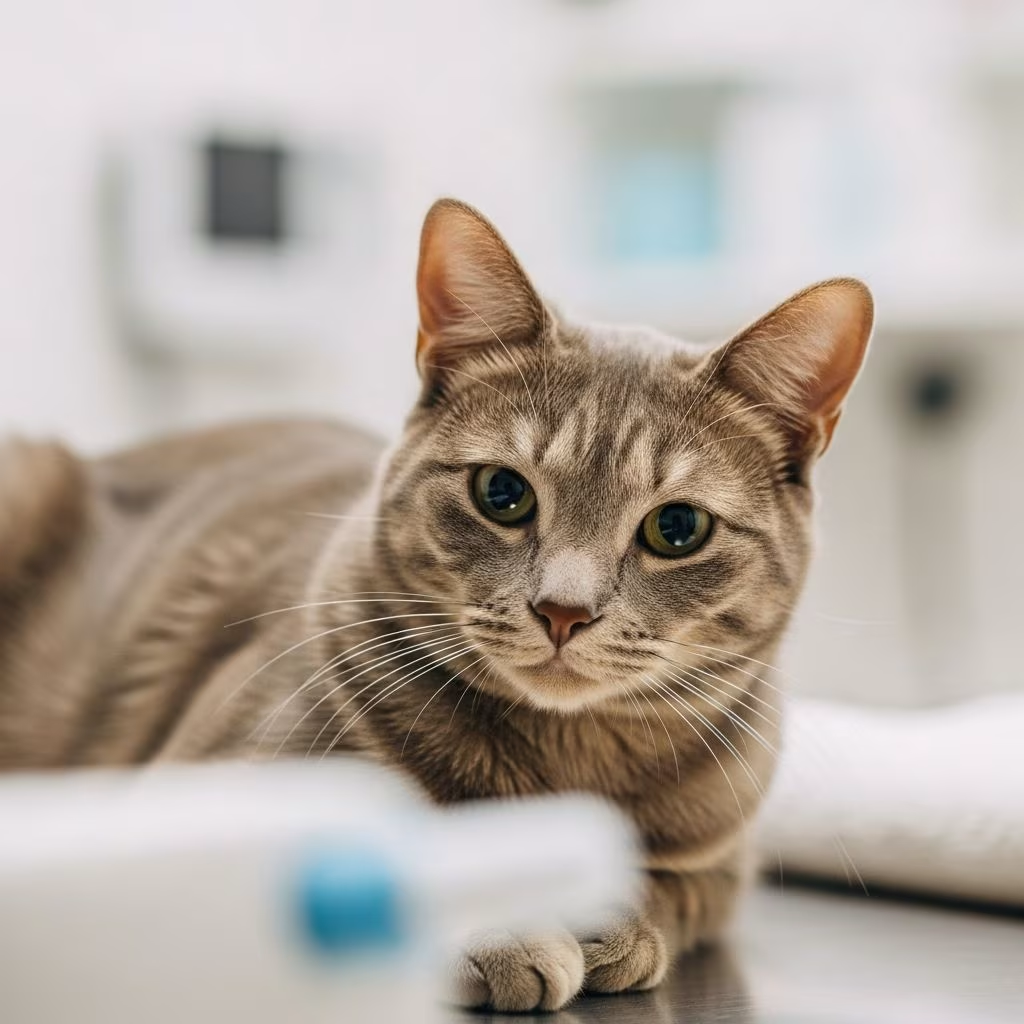
Understanding Cat Neutering: A Comprehensive Guide
Cat neutering is one of the most important surgical procedures a pet owner can choose for their feline companion. This procedure, which involves the surgical removal of a male cat’s testicles, is a fundamental aspect of responsible pet ownership. Neutering prevents cats from reproducing and offers numerous health, behavioral, and social benefits. Whether you’re a first-time cat owner or considering this procedure for your mature cat, understanding the complete picture of neutering—from its benefits to potential risks and recovery needs—is essential for making an informed decision.
What Is Cat Neutering?
Neutering is a surgical procedure that removes a male cat’s reproductive organs, specifically the testicles. This surgical intervention eliminates the cat’s ability to father kittens and reproduce. The procedure is typically performed under general anesthesia by a licensed veterinarian. Unlike spaying in female cats, which involves removing the ovaries and uterus, neutering in males is generally considered a less invasive procedure, though it still requires proper surgical technique and post-operative care.
The term “neutering” specifically refers to males, while “spaying” refers to females. However, both procedures are forms of sterilization that render cats unable to reproduce. Many veterinarians and animal welfare organizations use these procedures as primary tools for controlling cat overpopulation and improving feline health outcomes.
Health Benefits of Neutering Your Cat
One of the primary reasons veterinarians recommend neutering is the substantial health benefits it provides. Neutered cats experience significant reductions in various health risks and conditions associated with intact male reproduction.
Cancer Prevention
Neutering virtually eliminates the risk of testicular cancer in male cats. This is particularly significant because testicular cancer can be aggressive and challenging to treat once diagnosed. Additionally, neutering reduces the risk of prostate disease and prostate-related complications that intact males commonly experience as they age.
Disease Reduction
Neutered male cats have dramatically reduced risks of contracting feline immunodeficiency virus (FIV) and feline leukemia virus (FeLV). These diseases are primarily transmitted through cat bites and fights, which neutered males are far less likely to engage in due to reduced territorial and aggressive behaviors. This means neutering provides indirect disease protection by reducing fighting behavior.
Urinary Health
Proper sterilization at the appropriate age can reduce the risks of urinary tract infections (UTIs) in cats, contributing to overall urinary system health.
Behavioral Benefits of Neutering
Beyond health advantages, neutering produces significant behavioral improvements that make cats better companions and create more harmonious household environments.
Reduced Aggression
One of the most noticeable behavioral changes following neutering is decreased aggression. Male cats, particularly those in multi-cat households, frequently engage in territorial disputes and fights. These conflicts often result in injuries and abscesses. Neutering significantly reduces territorial behavior and the tendency to fight, which is especially beneficial in homes with multiple cats. The reduction in aggression typically occurs because neutering lowers testosterone levels, which drive territorial and dominance behaviors.
Elimination of Spraying
Urine marking or spraying is a common behavior in intact male cats used to establish territory and attract mates. Neutering can reduce or eliminate spraying in approximately 85% of male cats. This behavioral improvement makes a dramatic difference in household cleanliness and odor control, allowing cats to live more comfortably indoors.
Reduced Roaming
Intact male cats have a powerful biological drive to seek out mates, leading them to roam far from home. Neutered cats are far less likely to attempt escape or venture outdoors searching for potential mates. This reduces their exposure to numerous dangers including vehicular accidents, predators, toxins, and harsh weather conditions. Indoor cats that are neutered remain content within the home environment.
Decreased Vocalization
Intact males often vocalize excessively, particularly when females in heat are nearby. Neutering typically reduces these loud behaviors, creating a quieter, more peaceful home environment.
Calmer Temperament
Overall, neutered cats tend to be calmer, more affectionate, and better behaved than their intact counterparts. This behavioral shift makes them more enjoyable companions and easier to manage, particularly in multi-pet households.
Population Control and Social Responsibility
Beyond individual cat health and behavior, neutering serves a critical social function. The population of feral cats and cats in shelters remains alarmingly high. By neutering cats, pet owners directly contribute to controlling cat overpopulation, reducing the number of unwanted litters, and decreasing the burden on animal shelters and rescue organizations.
Early-age sterilization, typically performed as early as two months or 8 weeks old once the kitten weighs at least 2 pounds, is increasingly practiced in shelters and rescue organizations. This proactive approach addresses overpopulation at the source and helps prevent future generations of unwanted cats.
Potential Risks and Disadvantages of Neutering
While neutering offers substantial benefits, pet owners should understand potential risks and disadvantages before proceeding with the procedure.
Surgical and Anesthetic Risks
Like any surgical procedure, neutering carries inherent risks associated with anesthesia and surgery itself. These may include anesthesia complications, infection at the surgical site, or adverse reactions to medications. However, serious complications are relatively rare in young, healthy cats when the procedure is performed by an experienced veterinarian.
Weight Gain and Metabolic Changes
One of the most common post-neutering concerns is weight gain. A cat’s caloric needs decrease by approximately 30% after neutering, while appetite often increases. This metabolic shift occurs due to hormonal changes following the removal of reproductive organs. Neutered cats are at increased risk of obesity and weight-related health issues, requiring careful diet management and increased physical activity.
Behavioral Changes
While most behavioral changes are positive, some cats may experience increased restlessness or changes in personality following neutering. Additionally, removing reproductive organs alters hormonal levels, which could impact muscle mass and overall energy levels in some cats.
Joint and Structural Concerns
Some research suggests that neutered cats may have a higher risk of specific joint problems compared to intact cats. Additionally, neutering can prevent the development of secondary sexual characteristics such as penile barbs and dorsal tail glands, which some argue affects natural feline development, though this is a minor consideration.
Cost Considerations
Neutering is a costly surgical procedure, and recovery requires monitoring and restricted activity. Pet owners should budget for the surgical procedure, pre-operative bloodwork, and post-operative medications and care.
The Right Age for Neutering
Determining the optimal age for neutering is an important decision. Spaying female cats before the first heat cycle, which can occur as early as 4 to 5 months, significantly reduces the risk of unwanted pregnancies and specific reproductive health issues. Similarly, neutering male cats around the same age helps prevent unwanted behaviors like territorial spraying and aggression.
Many veterinarians recommend early sterilization to provide maximum health and behavioral benefits. Consulting with your veterinarian about the ideal timing for your individual cat is essential.
Pre-Operative Preparation and Health Screening
Before undergoing neutering, cats must meet specific health requirements. Your cat needs to be completely vaccinated and dewormed before the procedure. They should also be 100% healthy for the operation. Veterinarians will typically advise multiple blood and biochemistry tests once you decide your cat is ready for sterilization surgery.
Additionally, veterinarians advise against neutering cats when they are in heat. You may have to wait for 5 to 7 days until your cat is no longer showing signs of heat. This waiting period ensures safer surgery and better outcomes.
Post-Operative Recovery and Care
Recovery following neutering is crucial for successful healing and preventing complications. Cats require a recovery period during which they need to be monitored carefully. Most cats recover relatively quickly from neutering, but proper post-operative care significantly impacts healing.
During recovery, restrict your cat’s activity to allow the surgical site to heal properly. Prevent licking or biting at the incision site, as this can introduce infection or tear open the incision. Your veterinarian may recommend an Elizabethan collar to prevent self-trauma. Monitor the surgical site for signs of infection, excessive swelling, or discharge. Keep the incision clean and dry, and follow all post-operative medication instructions provided by your veterinarian.
Managing Weight After Neutering
Because neutered cats require proper diet regulation after surgery, pet owners should transition their cats to appropriate food formulations designed for sterilized cats. These functional foods are ideal for all neutered and spayed cats and help prevent excessive weight gain while maintaining proper nutrition. Monitor your cat’s weight regularly and adjust portions as needed. Increased physical activity through play, toys, and environmental enrichment also helps prevent obesity.
Frequently Asked Questions About Cat Neutering
Q: At what age should I neuter my male cat?
A: Most veterinarians recommend neutering male cats between 4 to 6 months of age, before they reach sexual maturity. Early neutering before the first heat cycle provides maximum health and behavioral benefits. However, older cats can also be neutered; consult your veterinarian about the best timing for your cat.
Q: Will neutering change my cat’s personality?
A: Neutering typically makes cats calmer, more affectionate, and better behaved. While some personality traits remain, most cats become less aggressive and more content after neutering. The changes are generally positive and make cats better companions.
Q: How much does cat neutering cost?
A: Neutering costs vary by location and veterinary clinic, typically ranging from $100 to $500 or more. Some animal shelters and rescue organizations offer discounted spay/neuter services. Contact your veterinarian for specific pricing information.
Q: What are the signs of infection after neutering?
A: Signs of infection include excessive swelling, redness, discharge, pus, or foul odor at the incision site, as well as fever or lethargy. Contact your veterinarian immediately if you notice any of these signs.
Q: Can I neuter an older cat?
A: Yes, older cats can be neutered, though surgery on senior cats requires additional pre-operative health screening. Your veterinarian will conduct blood work and assess your cat’s overall health before recommending surgery for an older cat.
Q: Will neutering stop my cat from spraying?
A: Neutering stops or significantly reduces spraying in approximately 85% of male cats. Early neutering is most effective at preventing this behavior, though neutering can still reduce spraying in older cats that have already developed the habit.
Making Your Decision
Deciding whether to neuter your cat involves carefully considering both the positives and negatives. Neutering offers compelling advantages, including controlling cat population, reducing serious health risks, and creating a calmer, cleaner pet. However, there are legitimate drawbacks to consider, such as surgical risks and possible changes in behavior and metabolism.
For most cat owners and cats, the health and behavioral benefits of neutering substantially outweigh the disadvantages. In most cases, neutering is the responsible decision, as the number of feral cats and cats in shelters remains very high. By neutering your cat, you’re not only improving your individual pet’s health and happiness but also contributing to reducing feline overpopulation and supporting animal welfare.
Consult with your veterinarian about the best timing and approach for your specific cat. Your veterinarian can provide personalized recommendations based on your cat’s age, health status, and individual circumstances, ensuring you make the best decision for your feline companion.
References
- Pros and Cons of Neutering a Cat — RexiPets. Accessed November 2025. https://rexipets.com/blogs/the-latest/pros-and-cons-of-neutering-a-cat
- The Pros and Cons of Spaying and Neutering Cats — Vetic. Accessed November 2025. https://vetic.in/blog/pet-care/spaying-and-neutering-cats-the-benefits-and-disadvantages-of-neutering/
- Neutering a Cat: Everything You Need to Know — Small Door Vet. Accessed November 2025. https://www.smalldoorvet.com/learning-center/medical/neutering-cats-everything-you-need-to-know
- Cat Spaying and Neutering: Benefits & Risks — Cobblestone Veterinary Hospital. Accessed November 2025. https://www.cobblestone.vet/services/cats/spay-neuter
- Top 9 Reasons to Spay or Neuter Your Cat — BPAH. Accessed November 2025. https://www.bpah.net/blog/top-9-reasons-to-spay-or-neuter-your-cat
- Cat Spaying & Neutering: Benefits & Risks — Royal Canin US. Accessed November 2025. https://www.royalcanin.com/us/cats/preventative-veterinary-care-cat/neutering-spaying-a-cat
- Spay/Neuter Your Pet — ASPCA. Accessed November 2025. https://www.aspca.org/pet-care/general-pet-care/spayneuter-your-pet



