

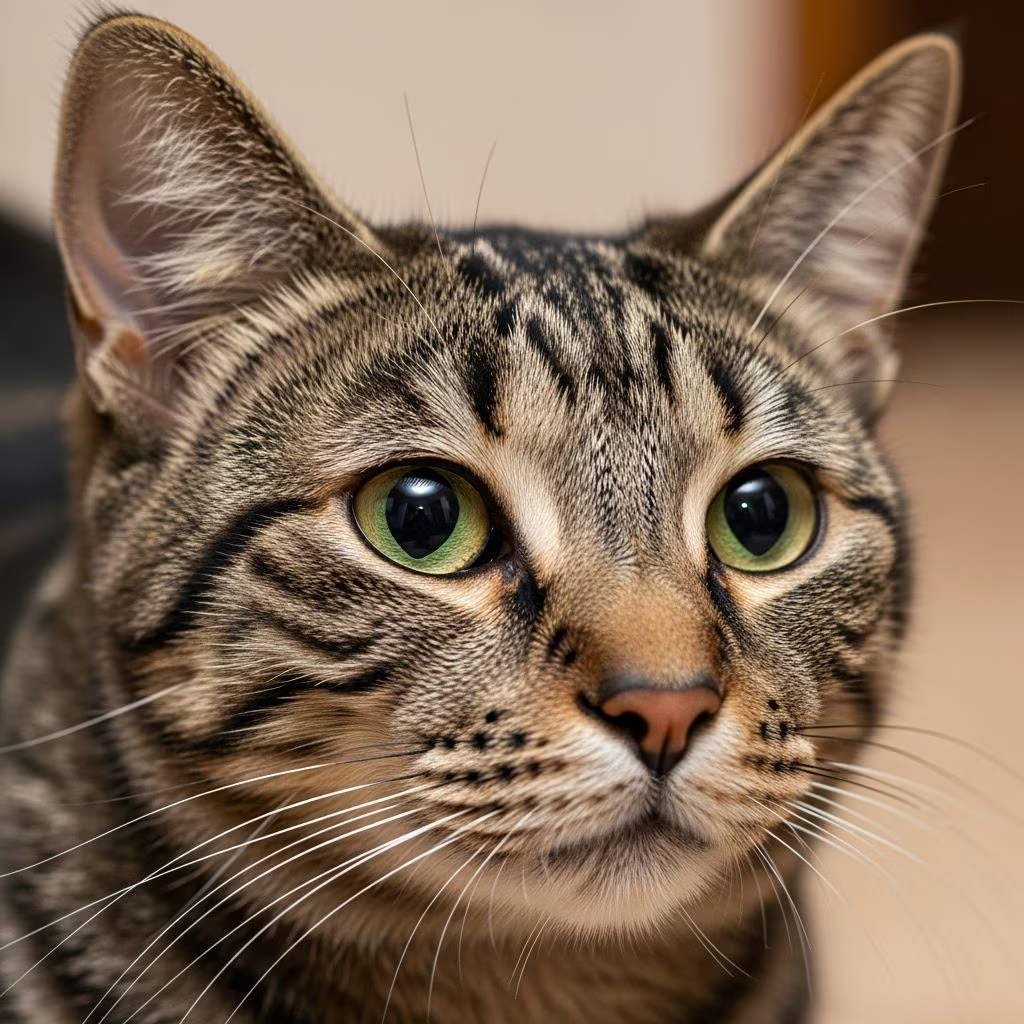
Neurological disorders in cats affect the brain, spinal cord, and nerves, leading to a range of symptoms that can significantly impact quality of life. Early recognition of signs like seizures, ataxia, or head tilt is crucial for timely intervention, as many conditions are treatable with medication, surgery, or supportive care.
What Are Neurological Issues in Cats?
Neurological issues encompass any dysfunction in a cat’s nervous system, which coordinates movement, behavior, sensation, and bodily functions. These disorders can stem from congenital defects, infections, trauma, tumors, or metabolic diseases. Senior cats are particularly prone due to age-related changes, but any cat can be affected. According to veterinary experts, approximately 30% of cats with certain systemic infections like FIP exhibit neurological signs.
Common manifestations include weakness, wobbly gait (ataxia), balance loss, incontinence, seizures, behavioral changes, and cranial nerve deficits. Prompt veterinary evaluation, often involving neurological exams, bloodwork, imaging (MRI/CT), and CSF analysis, is essential for accurate diagnosis.
Symptoms of Neurological Disorders in Cats
Recognizing symptoms early can prevent progression. Key signs include:
- Seizures: Sudden convulsions, drooling, paddling limbs, lasting seconds to minutes. Common in epilepsy, tumors, or toxoplasmosis.
- Ataxia (wobbly gait): Uncoordinated movement, stumbling, or circling, indicating cerebellar or spinal issues.
- Head tilt and vestibular dysfunction: Tilting head to one side, nystagmus (abnormal eye movements), nausea from inner ear or brainstem problems.
- Behavioral changes: Aggression, disorientation, staring, head pressing, or altered mentation, seen in hepatic encephalopathy or forebrain lesions.
- Weakness or paresis: Dragging limbs, paralysis, often from spinal cord disease or FIP.
- Cranial nerve deficits: Facial paralysis, pupil asymmetry (Horner’s syndrome), blindness.
- Incontinence: Loss of bladder/bowel control due to spinal or nerve damage.
If your cat shows these, seek immediate care, as untreated seizures can cause brain damage.
Common Types of Cat Neurological Disorders
Several disorders predominate in feline neurology. Here’s an overview:
Epilepsy and Seizures
Idiopathic epilepsy causes recurrent seizures without identifiable cause. Treatment involves anticonvulsants like phenobarbital, with dosages adjusted to prevent further episodes.
Brain and Spinal Tumors
Senior cats often develop meningiomas. Symptoms: behavior changes, seizures, ataxia. Surgery offers curative potential; radiation or chemotherapy for inoperable cases. Prognosis is excellent post-resection.
Feline Infectious Peritonitis (FIP)
Neurological FIP (non-effusive) affects 30% of cases with multifocal signs: ataxia, seizures, paresis. Immunosuppressants like prednisone provide symptomatic relief, but prognosis is guarded.
Toxoplasmosis
Protozoal infection causes multifocal CNS signs: seizures, ataxia, torticollis. Clindamycin is the antibiotic of choice; diagnosis via CSF PCR and titers.
Otitis Media/Interna (Ear Infections)
Common in cats with URI history. Signs: unilateral head tilt, nystagmus, facial paralysis. Long-term antibiotics (6-8 weeks); surgery if severe. Excellent prognosis with treatment.
Hypertension-Induced Encephalopathy
High blood pressure from kidney disease causes seizures, vestibular signs. Amlodipine (0.625-1.25 mg/cat) normalizes pressure; mannitol for edema.
Hepatic Encephalopathy
Liver dysfunction leads to ammonia buildup, causing prosencephalic signs like aggression, pacing, seizures. Treatment reduces ammonia; prognosis depends on liver health.
Trauma and Intervertebral Disc Disease
Spinal injuries from falls cause paresis. Strict rest, steroids, surgery if needed.
Table: Comparison of Common Disorders
| Disorder | Key Symptoms | Treatment | Prognosis |
|---|---|---|---|
| Epilepsy | Recurrent seizures | Anticonvulsants | Good with management |
| Brain Tumor | Seizures, ataxia | Surgery, radiation | Excellent if resectable |
| FIP | Multifocal deficits | Immunosuppressants | Guarded |
| Otitis Interna | Head tilt, nystagmus | Antibiotics, surgery | Excellent |
| Hypertension | Seizures, blindness | Amlodipine | Good if controlled |
Causes of Neurological Disorders in Cats
Causes are diverse:
- Infectious: FIP, toxoplasmosis, ear infections.
- Neoplastic: Tumors.
- Metabolic: Hypertension, hepatic issues.
- Traumatic: Injuries.
- Idiopathic: Epilepsy.
- Congenital: Inherited defects like weakness or tremors.
Senior cats face higher risks from tumors and metabolic diseases.
Diagnosis of Cat Neurological Problems
Vets perform:
- Neurological exam: Assess gait, reflexes, mentation.
- Bloodwork/CSF analysis: Rule out infections, toxins.
- Imaging: MRI/CT for tumors, inflammation.
- Titers/PCR: For toxoplasmosis, FIP.
Accurate localization (forebrain, brainstem, etc.) guides treatment.
Treatment Options for Neurological Issues
Treatments vary:
- Medications: Anticonvulsants, antibiotics (clindamycin), antihypertensives (amlodipine), steroids.
- Surgery: Tumor removal, ear flushing.
- Supportive care: Physical rehab, anti-nausea, fluids. Most improve in weeks.
- Radiation/Chemotherapy: For cancers.
No universal cure; management improves life quality.
Can Neurological Disorders in Cats Be Cured?
Some yes (e.g., surgical tumors), others managed lifelong (epilepsy). Distinguish cure (symptom resolution) from treatment (symptom control). Prognosis hinges on cause, timeliness.
Prevention and Management Tips
- Vaccinate against infections.
- Monitor seniors for hypertension.
- Prevent trauma (secure windows).
- Regular vet checkups.
- Balanced diet for liver/kidney health.
Frequently Asked Questions (FAQs)
What are the first signs of neurological issues in cats?
Seizures, ataxia, head tilt, behavioral changes.
Can cats recover from brain tumors?
Yes, surgical removal often curative.
Is FIP neurological form treatable?
Symptomatically with immunosuppressants; guarded prognosis.
How is epilepsy managed in cats?
Lifelong anticonvulsants, dose adjustments.
Does hypertension cause seizures in cats?
Yes, treat with amlodipine.
Neurological issues require vigilant care. Consult a vet neurologist for tailored plans.
References
- 5 Neurological Disorders in Cats You Should Know About — SEV Neurology. 2023. https://sevneurology.com/blog/neurological-disorders-in-cats
- The Cat with Neurological Manifestations of Systemic Disease — PMC (NCBI). 2020-03-15. https://pmc.ncbi.nlm.nih.gov/articles/PMC7128452/
- Neurological Issues In Cats: Symptoms & Treatment — Dutch. 2024. https://www.dutch.com/blogs/cats/neurological-issues-in-cats
- Neurological Disorders in Cats — PetMD. 2023. https://www.petmd.com/cat/conditions/neurological-disorders-cats
- Neurological Issues in Cats — ASPCA Pet Health Insurance. 2023. https://www.aspcapetinsurance.com/resources/neurological-issues-in-cats/
- Neurological Episodes in Dogs and Cats — BluePearl Pet Hospital. 2022. https://bluepearlvet.com/medical-articles-for-pet-owners/neurological-episodes-in-dogs-cats/



