
Cat Neurologic Assessment: Step-By-Step Guide For Vets
Master the step-by-step process of evaluating your cat's nervous system to detect issues early and guide effective veterinary care.
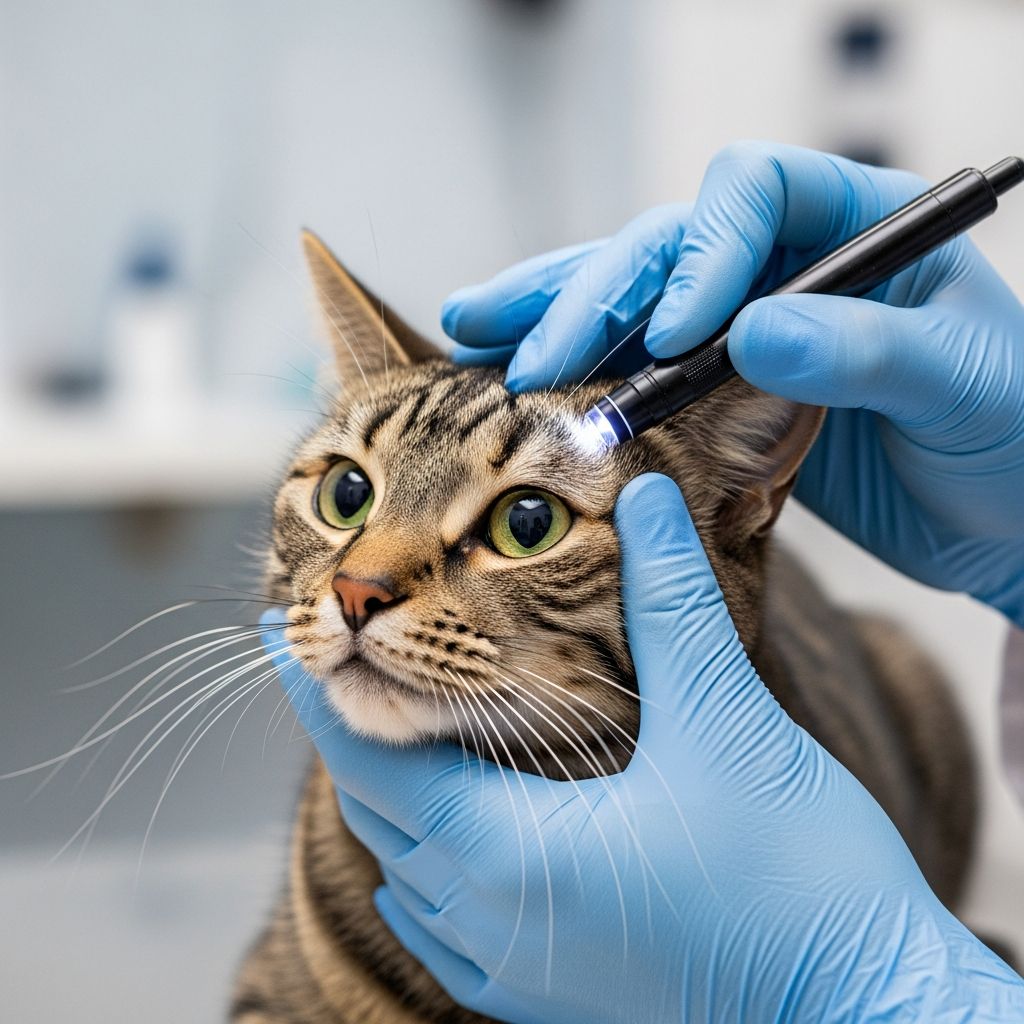
Performing a thorough neurologic assessment on a cat is essential for identifying disorders affecting the brain, spinal cord, or peripheral nerves. This systematic evaluation helps determine if symptoms stem from neurological issues and localizes the problem within the nervous system, guiding further diagnostics and treatment.
Importance of Early Neurologic Checks in Cats
Cats often hide signs of illness, making neurologic evaluations critical for timely intervention. A structured exam answers key questions: Is the issue neurological? Where in the nervous system is it located? What are the likely causes? By observing behavior, testing reflexes, and assessing responses, veterinarians can differentiate between central and peripheral problems, improving outcomes for affected felines.
Common indicators prompting an exam include uncoordinated movements, head tilting, seizures, or weakness. Early detection via these checks can prevent progression of conditions like infections, trauma, or tumors.
Gathering Essential Patient History
Before physical tests, a detailed history sets the foundation. Owners should note the onset (sudden or gradual), progression, and any triggers like trauma or toxins. Questions cover diet, vaccinations, travel, and exposure to infections. Has the cat received prior treatments, and what was the response? Pain indicators, such as vocalizing or reluctance to jump, are also key.
- Onset and progression: Acute signs suggest trauma or vascular events; chronic ones point to degenerative diseases.
- Signalment factors: Age, breed, and sex influence differentials—kittens may have congenital issues, seniors inflammatory or neoplastic ones.
- Behavioral changes: Aggression, lethargy, or disorientation signal forebrain involvement.
Observing Overall Demeanor and Consciousness
Start with a non-invasive observation of the cat’s mentation. Normal cats are alert, responsive, and interactive. Altered states include:
| Status | Key Signs |
|---|---|
| Normal | Alert, appropriate environmental responses |
| Lethargy | Reduced activity, needs stimulation to engage |
| Delirium | Inappropriate reactions, disorientation |
| Coma | Unarousable, no response to stimuli |
These observations help localize lesions—depressed mentation often indicates brainstem or forebrain issues. Compulsive circling or head pressing suggests cerebral involvement.
Evaluating Stance and Mobility
Assess posture and gait without handling first. Normal cats stand squarely with head upright. Abnormalities like a wide-based stance indicate cerebellar ataxia, while leaning signals vestibular dysfunction.
Gait analysis involves watching the cat walk, turn, and navigate obstacles. Ataxia (uncoordination) types include:
- Generalized: All limbs affected, often cerebellar.
- Hemiparesis: One-sided weakness, forebrain or brainstem.
- Thoracic limb paresis: C6-T2 spinal segments.
- Pelvic limb paresis: L4-S3 or neuromuscular.
Account for orthopedic pain mimicking neurologic deficits.
Testing Body Position Awareness
Postural reactions detect subtle proprioceptive deficits. These tests evaluate sensory input and motor output, localizing to spinal cord segments or higher.
Paw Replacement Test
Knuckle the paw so the cat walks on its dorsum; normal cats correct within 3-5 steps. Delayed correction indicates proprioceptive loss.
Hopping and Hemi-walking
Support the body and move laterally; the cat hops on the supported limb. Asymmetry points to contralateral brain issues.
Placing Response
With eyes covered, approach a table edge. Normal cats place paws upon contact, testing tactile proprioception—ideal for reluctant cats.
Cranial Nerve Function Review
The 12 cranial nerves (CN) control head functions. Symmetric testing is crucial.
- CN I (Olfactory): Test by feeding familiar scented food with eyes/nose covered.
- CN II (Optic) & CN VII (Facial): Menace: Threat gesture elicits blink (absent in cerebellar disease to avoid false positives).
- CN III, IV, VI (Oculomotor, Trochlear, Abducens): Check pupil size, light response, eye movements.
- CN V (Trigeminal): Jaw tone, corneal/palpebral reflexes.
- CN VIII (Vestibulocochlear): Head tilt, nystagmus—physiological when head moves, stops when still.
- CN IX, X (Glossopharyngeal, Vagus): Gag reflex, swallowing.
- CN XII (Hypoglossal): Tongue symmetry, tone.
Spinal Reflexes and Muscle Assessment
Myotatic (stretch) reflexes test lower motor neurons (LMN) and upper motor neurons (UMN). Normal is 2+ (brisk contraction).
| Reflex | Limbs Tested | Spinal Segments |
|---|---|---|
| Biceps | Fore | C6-C8 |
| Patellar | Hind | L4-L6 |
| Cranial Tibial | Hind | L4-S1 |
Hyperreflexia suggests UMN lesion; hyporeflexia LMN. Palpate for muscle atrophy (LMN) vs. tone increase (UMN). Withdrawal reflex (flexor): Pinch toe in lateral recumbency; tests spinal segments, not pain.
Pain Perception and Palpation
Palpate spine for pain localizing lesions. Nociception (pain awareness) uses deep toe pinch; conscious response (vocalize, turn) indicates intact ascending pathways. Absent superficial pain with present withdrawal suggests spinal cord transection.
Localizing the Lesion
Combine findings:
- Forebrain: Seizures, behavior change, normal posture/gait.
- Cerebellum: Broad stance, hypermetria, intention tremor.
- Brainstem: Cranial nerve deficits, altered mentation.
- C1-C5 spinal: All limbs UMN, normal thoracic.
- C6-T2: Forelimb LMN, hind UMN.
- T3-L3: Hind UMN paresis.
- L4-S3: Hind LMN paresis.
- Peripheral: Flaccid paresis, hyporeflexia.
Differentials use VITAMIN-D: Vascular, Infectious, Traumatic, Anatomic, Metabolic, Iatrogenic/Idiopathic, Neoplastic, Degenerative.
Advanced Diagnostics Post-Examination
Exam guides tests like MRI, CSF analysis, or bloodwork. Repeat exams track progression.
Frequently Asked Questions (FAQs)
What if my cat fails the paw replacement test?
It suggests proprioceptive deficit; consult a vet for localization.
Can home tests replace vet exams?
No—professional assessment ensures accuracy.
How often should neurologic checks be done?
Routinely in seniors; immediately for new signs.
Are certain breeds prone to issues?
Yes, like Siamese for vestibular problems.
References
References
- Neurological Examination of the Cat. How to Get Started — PMC – NIH. 2024. https://pmc.ncbi.nlm.nih.gov/articles/PMC11132541/
- NEUROLOGICAL EXAMINATION OF THE CAT MADE SIMPLE — Langford Vets. 2023. https://www.langfordvets.co.uk/media/jhqi0bcq/neuro-part-2.pdf
- The Neurologic Examination of Animals — MSD Veterinary Manual. 2025-02-01. https://www.msdvetmanual.com/nervous-system/the-neurologic-examination/the-neurologic-examination-of-animals
- How to Perform a Neurologic Examination in Companion Animals — Today’s Veterinary Practice. 2023. https://todaysveterinarypractice.com/neurology/the-neurologic-examination-in-companion-animals-part-1-performing-the-examination/
- Neurological Disorders in Cats — PetMD. 2024. https://www.petmd.com/cat/conditions/neurological-disorders-cats
Similar Articles








Read full bio of Sneha Tete




