

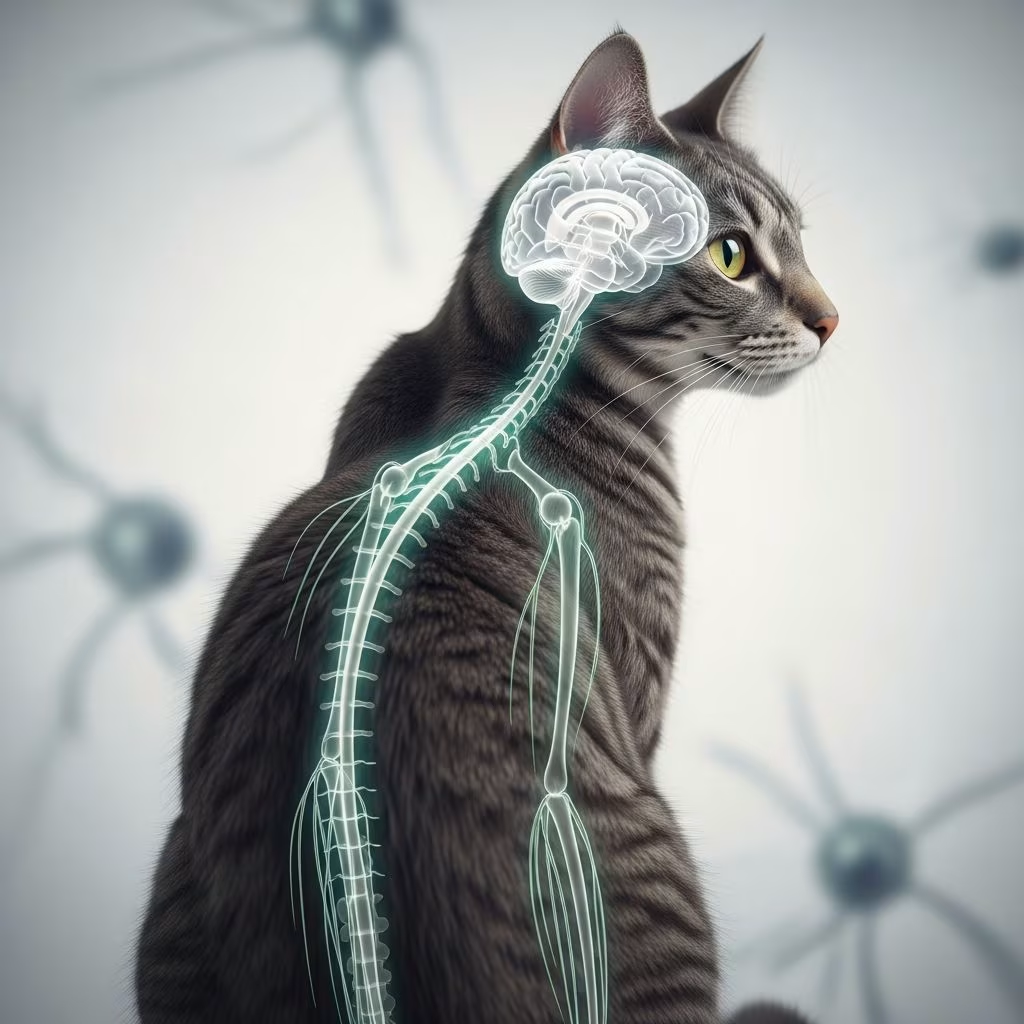
The feline nervous system, comprising the brain, spinal cord, and peripheral nerves, coordinates movement, senses, and behavior. Disruptions can lead to subtle or severe symptoms, affecting a cat’s quality of life. Early detection is crucial for effective intervention.
Recognizing Key Symptoms of Neurological Problems
Cats with nervous system issues often show changes in behavior, coordination, or sensory function. Common indicators include:
- Seizures: Sudden convulsions, drooling, or loss of consciousness, often linked to brain activity disturbances.
- Ataxia: Unsteady gait, stumbling, or circling, signaling balance or coordination loss.
- Head Tilt and Vestibular Signs: Tilting head to one side, abnormal eye movements (nystagmus), or falling over.
- Weakness or Paralysis: Difficulty standing, dragging limbs, or incontinence.
- Behavioral Changes: Aggression, disorientation, hiding, or staring blankly.
These signs may appear suddenly or progressively. Senior cats are particularly prone, but any age can be affected.
Common Causes Behind Feline Neurological Issues
Neurological disorders stem from diverse origins, including infections, trauma, metabolic imbalances, and tumors. Understanding causes guides diagnosis and therapy.
Infectious and Inflammatory Conditions
Infections like feline infectious peritonitis (FIP) frequently involve the central nervous system, causing multifocal signs such as seizures, ataxia, and behavioral shifts. Non-effusive FIP particularly targets the brain and spinal cord. Other culprits include ear infections leading to otitis media/interna, resulting in unilateral head tilt and facial paralysis.
Metabolic and Systemic Disorders
Hypertension, common in older cats with kidney disease, induces seizures and vestibular dysfunction via encephalopathy. Hepatic encephalopathy from liver failure manifests as abnormal mentation and aggression due to elevated ammonia levels.
Structural and Neoplastic Problems
Brain or spinal tumors, especially meningiomas in seniors, cause behavior changes, seizures, and coordination loss. Trauma from falls or accidents can compress the spinal cord, leading to paresis.
Degenerative and Idiopathic Cases
Cognitive dysfunction in aging cats mimics dementia with litter box avoidance and restlessness. Vestibular disease may be idiopathic, resolving spontaneously.
Diagnostic Approaches for Accurate Assessment
Veterinarians employ a stepwise process to pinpoint issues. Initial physical and neurological exams localize lesions to brain, spinal cord, or peripheral nerves.
| Diagnostic Tool | Purpose | Key Findings |
|---|---|---|
| Blood Tests & Urinalysis | Detect metabolic issues | Hypertension, liver enzymes, ammonia levels |
| Imaging (MRI/CT) | Visualize structural changes | Tumors, inflammation, trauma |
| Cerebrospinal Fluid Analysis | Check for infection/inflammation | Cell counts, protein levels |
| Fundic Exam | Assess retinal damage | Hypertension indicators |
Specialists like veterinary neurologists use advanced tools for precise localization.
Treatment Strategies Tailored to the Condition
Therapy targets the root cause while providing supportive care. Outcomes vary from cures to lifelong management.
Pharmacological Interventions
- Anticonvulsants: Phenobarbital or levetiracetam control seizures.
- Anti-inflammatories: Corticosteroids reduce brain swelling in injuries or meningitis.
- Antihypertensives: Amlodipine (0.625–1.25 mg/cat daily) lowers blood pressure effectively.
- Antibiotics/Antivirals: For infections like Bartonella or FIP trials.
Supportive and Surgical Options
Physical therapy aids recovery from ataxia or paresis. Surgery removes accessible tumors or drains fluid in hydrocephalus. Nutrition supports liver function in encephalopathy, using ammonia-lowering diets.
Management for Chronic Conditions
Seizure disorders require daily meds; cognitive decline benefits from environmental enrichment and supplements.
Prognosis and Long-Term Outlook
Prognosis hinges on cause and timeliness. Idiopathic vestibular issues often resolve in days. Tumors may be cured surgically, but recurrence risks exist. Infectious cases like FIP carry guarded outlooks, though some respond to immunosuppression. Metabolic disorders improve with cause correction. Regular monitoring ensures quality of life.
Prevention Tips for Proactive Cat Owners
Minimize risks through:
- Routine vet checkups, especially for seniors.
- Hypertension screening in at-risk cats.
- Indoor living to prevent trauma.
- Vaccinations and parasite control.
- Balanced diet supporting organ health.
Frequently Asked Questions (FAQs)
What are the first signs of a neurological problem in my cat?
Look for seizures, wobbling, head tilting, weakness, or sudden behavior changes like hiding or aggression.
Can neurological disorders in cats be cured?
Some, like certain tumors or infections, yes via surgery or meds; others are managed lifelong.
Is vestibular disease in cats serious?
Often self-limiting, but underlying causes like infections need treatment for full recovery.
How is hypertension diagnosed in cats with neuro signs?
Blood pressure measurement plus compatible symptoms like seizures.
What home care helps a cat with neurological issues?
Provide soft bedding, assist with feeding/litter, and create a calm environment.
Owners noticing neuro signs should seek prompt veterinary care. Collaboration with specialists optimizes outcomes.
References
- The Cat with Neurological Manifestations of Systemic Disease — PMC (NIH). 2020-03-15. https://pmc.ncbi.nlm.nih.gov/articles/PMC7128452/
- Neurological Problems in Cats — Veterinary Healthcare Associates. 2023-01-10. https://vhavets.com/blog/neurological-problems-in-cats/
- 5 Neurological Disorders in Cats You Should Know About — Southeast Veterinary Neurology. 2024-05-20. https://sevneurology.com/blog/neurological-disorders-in-cats
- Neurological Issues in Cats — ASPCA Pet Health Insurance. 2023-11-05. https://www.aspcapetinsurance.com/resources/neurological-issues-in-cats/
- Principles of Therapy of the Nervous System in Cats — Merck Veterinary Manual. 2025-02-01. https://www.merckvetmanual.com/cat-owners/brain-spinal-cord-and-nerve-disorders-of-cats/principles-of-therapy-of-the-nervous-system-in-cats



