

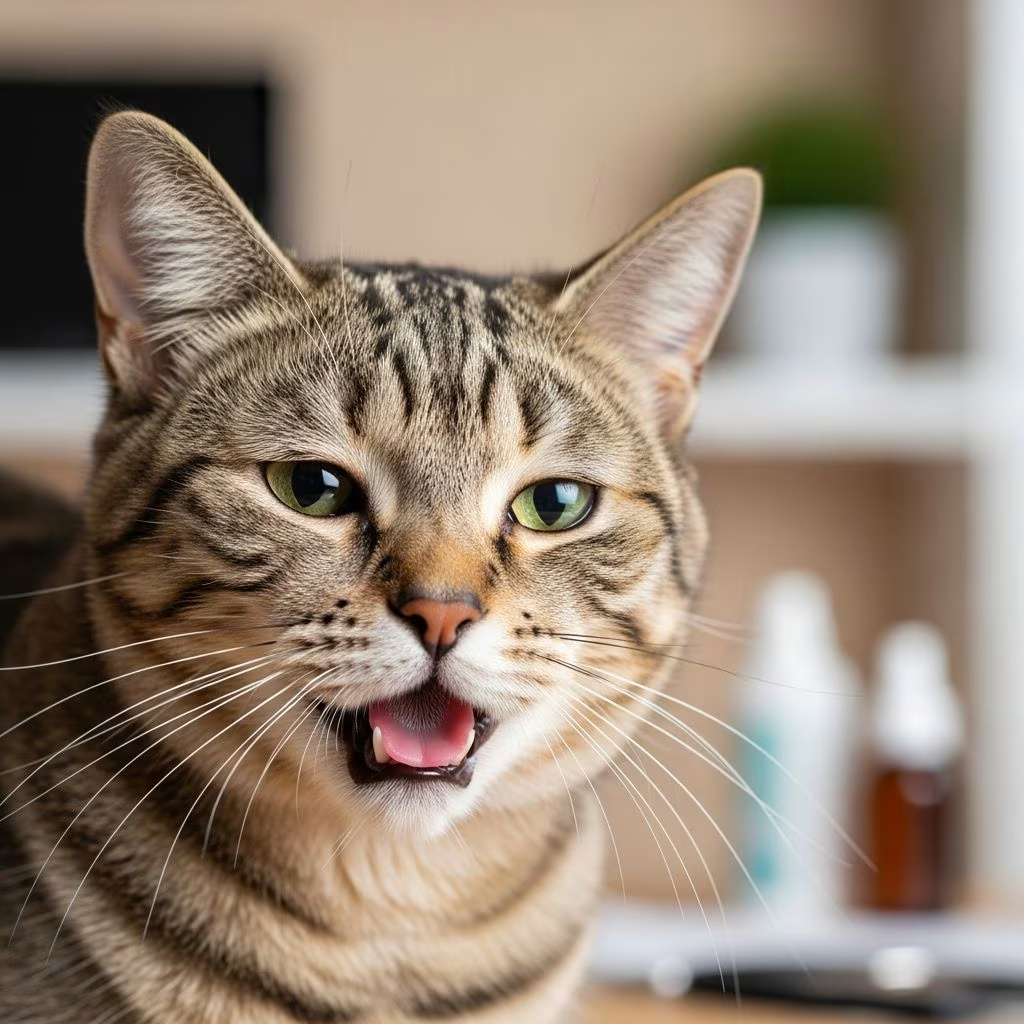
Understanding Cat Nausea: A Comprehensive Guide
Nausea in cats is a nonspecific symptom that can indicate anything from a minor dietary upset to a serious underlying medical condition. Unlike humans who can communicate their discomfort, cats often show subtle signs of nausea that pet owners might easily overlook. Understanding the causes, recognizing the symptoms, and knowing when to seek veterinary care are essential aspects of responsible cat ownership. This guide provides detailed information about feline nausea to help you keep your beloved feline companion healthy and comfortable.
Nausea is defined as an uncomfortable sensation that often precedes vomiting, though a cat may experience nausea without actually vomiting. The condition can be acute, occurring suddenly and lasting a short time, or chronic, persisting over an extended period. Both situations warrant attention from a veterinarian to determine the underlying cause and appropriate treatment plan.
Common Causes of Nausea in Cats
The causes of cat nausea are varied and diverse, ranging from simple dietary issues to complex systemic diseases. Understanding these potential causes can help you work more effectively with your veterinarian to identify and treat your cat’s condition.
Gastrointestinal Tract Diseases
Diseases affecting the gastrointestinal tract represent one of the most common sources of nausea in cats. These conditions include inflammatory bowel disease (IBD), which can result from food allergies and causes chronic inflammation of the digestive tract. Hairballs, a natural consequence of feline grooming, can accumulate in the stomach or intestines and trigger nausea. While occasional hairballs are normal, frequent hairballs—more than once per month—may indicate a problem requiring veterinary attention.
Additional gastrointestinal issues include constipation, stomach ulcers, viral infections, parasitic infestations such as giardia and intestinal worms, and foreign body obstructions. Foreign bodies occur when cats swallow indigestible materials like plastic, string, or pieces of clothing that become lodged in the digestive tract. These conditions can range from mildly uncomfortable to life-threatening, making professional diagnosis essential.
Abdominal Disorders
Disorders affecting abdominal organs commonly cause nausea in cats. Pancreatitis, an inflammation of the pancreas, frequently results in nausea along with abdominal pain. Liver disease and kidney disease, both serious conditions, produce nausea as a prominent symptom. Additionally, reproductive infections such as pyometra (a uterine infection in unspayed females) and peritonitis (inflammation of the abdominal lining) can trigger nausea and require immediate veterinary intervention.
Metabolic and Endocrine Disorders
Systemic diseases affecting major organs and hormonal systems frequently cause nausea. Hyperthyroidism, an overactive thyroid gland common in senior cats, typically produces nausea and vomiting despite causing increased appetite and thirst. Diabetes mellitus and its serious complication, diabetic ketoacidosis, can also cause significant nausea. These metabolic conditions require ongoing veterinary management to control and prevent serious complications.
Food-Related Issues
Dietary factors represent some of the most common and easily preventable causes of feline nausea. Sudden changes in diet can upset a cat’s sensitive digestive system. Food allergies, where a specific protein component triggers an immune response, cause gastrointestinal symptoms including nausea, often accompanied by skin and ear problems. Food intolerances, distinct from true allergies, also produce digestive upset. For example, while many cats are lactose intolerant and cannot properly digest milk, some tolerate small amounts better than others.
Additional food-related causes include eating too quickly, overeating, consuming spoiled food, ingesting human foods, and consuming topical flea prevention products or cleaning chemicals that may have unpleasant or harmful tastes.
Other Causes
Motion sickness occurs in cats unaccustomed to travel and can cause nausea during car rides or other transportation. Certain medications, chemotherapy treatments, and toxic reactions to ingested substances may produce nausea as a side effect. Central nervous system diseases, including vestibular disease and brain tumors, can also manifest as nausea.
Recognizing the Symptoms of Nausea in Cats
Identifying nausea in cats requires careful observation, as cats often hide discomfort. Pet owners should watch for several telltale signs that indicate their cat may be experiencing nausea or the urge to vomit.
Observable Signs
The most obvious sign of nausea is vomiting or retching, where the cat makes gagging motions with or without bringing up food or liquid. Cats experiencing nausea may drool excessively or display hypersalivation, preparing for potential vomiting. Some cats exhibit dry heaving or unproductive retching, where they go through the motions of vomiting without expelling anything.
Behavioral changes often accompany nausea. Your cat may refuse to eat or show decreased appetite, pushing away food that normally interests them. They may drink excessively or avoid water altogether. Many nauseated cats hide away in quiet, dark spaces, withdrawing from family activities and normal interactions.
Physical Indicators
Lethargy and reduced activity levels frequently indicate nausea, with affected cats spending more time sleeping or lying down motionless. Some cats may pace restlessly or seem anxious about their discomfort. Weight loss may develop if nausea persists, as the cat consumes less food over time.
When to Contact Your Veterinarian
While mild, occasional nausea might resolve on its own, certain situations require immediate veterinary attention. Contact your veterinarian if your cat vomits repeatedly over several hours, shows signs of abdominal pain, experiences lethargy or unusual behavior, displays blood in vomit or stool, has not eaten for more than 24 hours, or seems dehydrated. Kittens and senior cats warrant quicker veterinary evaluation, as they are more vulnerable to serious complications from nausea and vomiting.
Diagnostic Approach
When you bring your cat to the veterinarian for nausea, expect a thorough evaluation. The vet will take a detailed history, asking about the onset and frequency of symptoms, recent diet changes, access to potential toxins, medication use, and vaccination status. A physical examination will follow, during which the veterinarian palpates the abdomen to detect abnormalities.
Diagnostic testing may include blood work to evaluate organ function and detect metabolic disorders, urinalysis to assess kidney function, fecal examination to identify parasites, and imaging studies such as X-rays or ultrasound to visualize internal organs and detect foreign bodies or tumors. These tests help identify the underlying cause of nausea so appropriate treatment can begin.
Treatment Options for Cat Nausea
Treatment for nausea depends on the underlying cause, severity of symptoms, how easily your cat can be medicated, and how long symptoms have persisted. Once the primary cause is identified and treated, nausea typically resolves. However, symptomatic treatment can provide relief while addressing the underlying condition.
Dietary Management
Simple dietary approaches can help manage mild nausea. Withholding food and water for three to four hours allows the stomach to settle. If your cat has not vomited by the end of this period, offer small amounts of water—approximately one teaspoon at a time—every twenty minutes as recommended by your veterinarian.
Feeding a bland, easily digestible diet can help in a non-specific way. When transitioning to a new food, do so gradually over approximately one week, mixing increasing amounts of new food with the current diet. Always ensure you provide high-quality, AAFCO-approved cat food and offer plenty of fresh, clean water, as contaminated water can cause nausea in some cats.
For cats that eat too quickly or overeat, use specially designed slow-feeding bowls and divide meals into smaller portions fed more frequently throughout the day.
Anti-Nausea Medications
Anti-nausea medications, known as antiemetics, are prescription medications that help control nausea and vomiting while underlying causes are being addressed or when the cause cannot be eliminated. Several types are available, each working through different mechanisms.
Maropitant (Cerenia)
Maropitant is one of the most commonly prescribed anti-nausea medications for cats. Available under the brand name Cerenia, this medication comes in injectable and oral forms, including tablets, compounded soft chews, and flavored liquids. Maropitant works by blocking specific receptors in the brain responsible for triggering nausea and vomiting, making it highly effective for various conditions causing feline nausea.
5HT3 Blockers
Ondansetron and dolasetron belong to a class of drugs called 5HT3 blockers, which veterinarians may prescribe in some cases, though this use may be considered off-label in certain jurisdictions. Ondansetron is typically prescribed for cats with severe or persistent nausea, especially those with chronic conditions like kidney disease.
Metoclopramide
Metoclopramide helps restore the normal rhythmic movements of the gastrointestinal tract that can be slowed by certain conditions, thus improving food passage and relieving nausea. It also blocks receptors in the brain that trigger nausea, though this effect may be more pronounced in dogs than cats.
Acid-Reducing Medications
Medication to reduce stomach acid can help soothe the stomach and may be recommended as part of nausea treatment. Famotidine (commonly known as Pepcid) is a common and safe medication frequently used at home. Other acid-reducing options include ranitidine (Zantac) and omeprazole (Prilosec). Always use medications only as prescribed by your veterinarian, as some human and dog medications can be toxic to cats.
Supportive Care
For more severe cases, cats may require hospitalization with intravenous (IV) fluid therapy containing electrolytes to address dehydration. Injectable antiemetic medications may be administered, and 24-hour monitoring ensures proper recovery. Your cat may receive an injection followed by oral pills to take home for continued management.
In severe cases with complications such as significant abdominal pain, persistent vomiting, diarrhea, or lethargy, referral to an emergency or 24-hour animal hospital offering around-the-clock care may be necessary.
Frequently Asked Questions About Cat Nausea
Q: How often is occasional vomiting normal for cats?
A: While some cats occasionally vomit, frequent vomiting is not normal and warrants veterinary evaluation. If your cat vomits more than once or twice per month, consult your veterinarian to rule out underlying conditions.
Q: Can stress cause nausea in cats?
A: While stress doesn’t directly cause nausea in the same way as physical illness, it can trigger gastrointestinal upset and other symptoms. Major environmental changes, new pets, or loud disruptions may affect a cat’s digestive health.
Q: Is it safe to give my cat over-the-counter nausea medication?
A: No. Never administer over-the-counter medications to your cat without explicit veterinary direction. Many human medications and even some formulations designed for dogs can be toxic to cats. Always consult your veterinarian before giving any medication.
Q: How can I prevent nausea in my cat?
A: Prevention strategies include maintaining a consistent, high-quality diet; making any dietary changes gradually; ensuring access to fresh, clean water; regular grooming to minimize hairballs; keeping toxic substances away from your cat; and scheduling annual veterinary checkups for early disease detection.
Q: What should I do if my cat vomits on an evening or weekend when my veterinarian is closed?
A: If your cat experiences severe vomiting, appears in significant pain, cannot keep down water, or shows other concerning symptoms outside regular business hours, contact an emergency veterinary clinic. It’s helpful to have the phone number and location of your nearest emergency facility readily available.
Supporting Your Nauseated Cat
Beyond medical treatment, you can provide comfort and support to your cat experiencing nausea. Ensure your cat has access to a quiet, comfortable space where they can rest undisturbed. Maintain a consistent routine with regular feeding times and predictable handling. Offer water frequently in small amounts, and provide their food in a clean bowl separate from their water bowl—many cats prefer these separated.
If your cat is taking medications, follow the veterinarian’s instructions precisely regarding dosage and administration timing. Keep your cat indoors to prevent additional stress and to monitor their condition closely. Maintain regular follow-up appointments with your veterinarian to assess treatment effectiveness and make adjustments as needed.
References
- Cat Nausea: Causes, Symptoms, & Treatment — Cats.com. 2024. https://cats.com/cat-nausea
- Symptoms and Causes of Cat Nausea — PetPlace. 2024. https://www.petplace.com/article/cats/pet-health/cat-health/symptoms-and-causes-of-nausea-in-cats
- Cat Nausea: 9 Signs and How to Treat It — Great Pet Care. 2024. https://www.greatpetcare.com/cat-health/cat-nausea/
- The Most Effective Anti-Nausea Medication for Cats, Explained — MixLab. 2024. https://mixlab.com/blog/anti-nausea-medication-for-cats
- Nausea in Cats — PetMD. 2024. https://www.petmd.com/cat/symptoms/nausea
- Cat Vomiting: 10 Causes and How to Help — Lagniappe Animal Health. 2024. https://lagniappeanimalhealth.com/blog/cat-vomiting-causes-in-ruston-la/



