

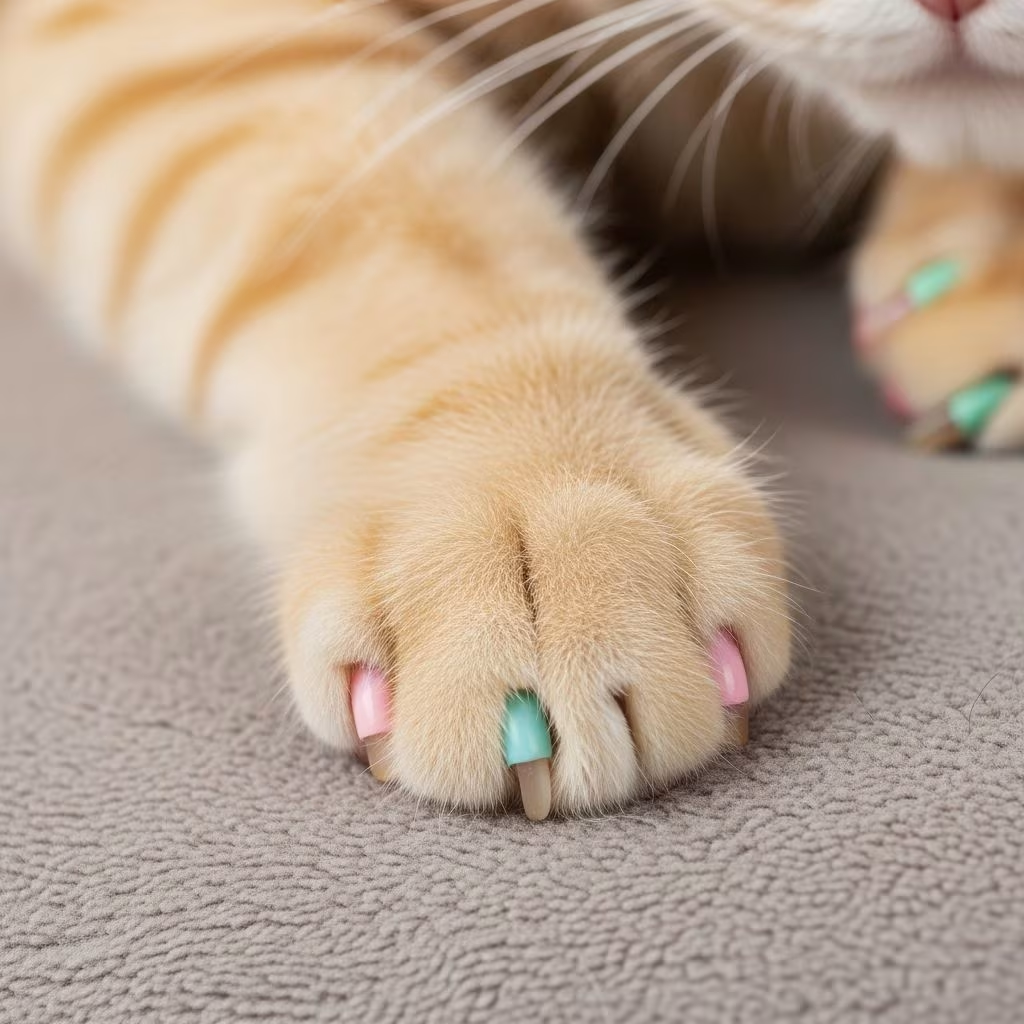
Understanding Cat Nail Caps: A Complete Guide
Cat nail caps, also known as Soft Paws, are small vinyl covers that are glued over your cat’s natural nails to reduce scratching damage. These veterinarian-designed protective covers have become increasingly popular among cat owners looking for humane alternatives to manage unwanted scratching behavior. Unlike declawing, which is a surgical procedure, nail caps work by blunting your cat’s claws while allowing normal claw function and growth underneath.
What Are Cat Nail Caps?
Nail caps are tiny plastic or vinyl covers that fit snugly over your cat’s existing nails. The caps are applied using a special surgical adhesive that comes with the product. These covers essentially create a sheath over your cat’s natural claws, allowing them to continue growing normally while minimizing the damage caused by scratching. The caps are soft, flexible, and designed to be completely safe when applied correctly by a veterinarian or experienced groomer.
The application process is straightforward but requires precision. A veterinarian or groomer will first trim your cat’s nails short, then apply the special adhesive before fitting the caps over each nail. The entire process typically takes only a few minutes per cat, though cats may need a day or two to adjust to wearing them.
Are Cat Nail Caps Safe?
Safety is a primary concern for cat owners considering nail caps. According to animal behavior experts and veterinarians, nail caps are completely safe when applied correctly. The caps do not prevent cats from retracting their claws, and when properly applied, they cause no pain or damage to the claw bed. Cats’ nails continue to grow naturally underneath the caps, maintaining their normal function and structure.
Veterinarian-designed nail caps like Soft Paws are made from soft, safe materials that pose no health risks. Cats cannot develop infections from nail caps the way humans can develop infections from acrylic nails, because cat claws naturally shed their outer sheaths periodically. When this shedding occurs, the nail cap comes off with the outer sheath, preventing any possibility of infection or complications.
However, proper application is essential. Caps that are over-glued, applied too short, or fitted incorrectly can potentially cause discomfort. This is why veterinarians recommend having a professional apply the caps or receiving proper training before attempting application at home.
Addressing Common Myths About Cat Nail Caps
Several myths surrounding cat nail caps have created unnecessary concern among pet owners. Understanding the facts can help you make an informed decision about whether they’re right for your feline companion.
Myth #1: Nail Caps Damage the Nail or Nail Bed
This is perhaps the most common misconception. In reality, when applied correctly—trimmed slightly long, not over-glued, and fitted properly—nail caps should never cause pain or injury. The caps are designed to be soft and flexible, sitting comfortably over the existing nail without damaging the nail bed underneath.
Myth #2: Cats Cannot Retract Their Claws With Caps On
Cats can absolutely retract their claws while wearing nail caps. The caps do not interfere with the natural retraction mechanism, allowing cats to extend and retract their nails normally. Your cat’s nails will continue to grow naturally, and he’ll still be able to stretch and retract his nails with the caps on.
Myth #3: Nail Caps Are a Permanent Solution
Nail caps are not a permanent fix because they grow out with the nail. Most cats’ nail caps last between 4–6 weeks before needing replacement. As your cat’s nails grow, the caps eventually loosen and fall off. Leaving caps on too long can cause overgrowth or discomfort, making regular replacement necessary for ongoing protection.
Myth #4: Cats Will Be Harmed by Wearing Caps
When applied correctly and monitored regularly, nail caps pose no harm to cats. However, one valid concern is that nail caps leave cats vulnerable by eliminating their main defense mechanism. This is why manufacturers include disclaimers stating that nail caps should only be used on strictly indoor cats. Outdoor cats need their full claws for protection and hunting.
Concerns and Limitations of Cat Nail Caps
While nail caps offer benefits, they also come with legitimate considerations that pet owners should understand.
Defense Mechanism Concerns
A cat wearing nail caps cannot protect itself effectively from other animals. This concern bears significant weight, which is why nail caps are strictly recommended for indoor-only cats. If your cat has access to the outdoors or encounters other animals, nail caps would compromise their ability to defend themselves.
Application Challenges
There is definitely a learning curve to applying nail caps properly. If your cat doesn’t like having their paws handled, you may find gluing tiny plastic covers to each nail quite challenging. Some cats naturally resist paw handling, making the application process stressful for both cat and owner. In these cases, professional application by a veterinarian or groomer is strongly recommended.
Potential Need for Sedation
For cats that are particularly fidgety, nervous, or resistant to handling, sedation may be necessary to achieve the cooperation needed for proper application. While not required for all cats, this is a potential consideration that should be discussed with your veterinarian beforehand.
Pre-Application Claw Trimming Difficulty
One of the hardest parts of the nail cap process is trimming your cat’s claws before application. Most cat owners struggle with this step, which is why professional application is often the better choice. Improper trimming before cap application can lead to complications, including accidentally gluing toes together or applying caps that are the wrong length.
Should You Apply Nail Caps to Hind Paws?
While you can apply nail caps to your cat’s hind paws, it may not always be necessary. Cats do most of their damage with their front paws, and most cats naturally keep their back claws short by chewing them down periodically. However, there are specific situations where caps on hind claws are beneficial:
- To eliminate damage caused by cats who frequently jump on and off furniture
- To discourage self-inflicted wounds for cats who scratch excessively
- For cats with sensitive skin to prevent nasty scratches from all four paws
Most veterinarians recommend starting with caps on the front paws only and adding hind paw caps only if necessary based on your cat’s specific behavior and needs.
Is Your Cat a Good Candidate for Nail Caps?
Ideal Candidates
Nail caps work best for:
- Elderly or immunocompromised owners who are more vulnerable to scratch injuries
- Families with young children or fragile items in the home
- Cats with skin issues, itchy conditions, or rough play habits
- Hairless cats or cats who get stuck in fabrics
- Cats with excessive scratching that may lead to self-inflicted wounds
Not Ideal Candidates
Nail caps are not recommended for:
- Outdoor cats or cats with outdoor access
- Cats who constantly chew off the caps
- Cats used purely for cosmetic purposes
The Application Process Explained
Understanding what’s involved in applying nail caps can help you decide whether to do it yourself or seek professional help.
The first step is nail trimming. Your veterinarian or groomer will carefully trim your cat’s nails short to prepare them for cap application. This step is crucial and must be done correctly to ensure proper cap fit.
Next, the special surgical adhesive that comes with the nail caps is applied to the inside of each cap. The caps are then carefully placed over your cat’s nails, ensuring proper fit and alignment. The adhesive bonds the cap to the nail, creating a secure but non-permanent attachment.
Most cats adjust to wearing nail caps within a day or two. While some cats may nibble at them initially, this behavior typically subsides quickly with regular applications and positive reinforcement.
Maintaining and Replacing Nail Caps
Once applied, nail caps require minimal maintenance, but regular monitoring is important. As your cat’s nails grow, the caps gradually loosen and eventually fall off naturally. Replacement is needed every 4–6 weeks to maintain continuous protection.
If a cap causes skin irritation or significantly impacts your cat’s ability to play or walk normally, immediate removal may be necessary. However, you should consult with your veterinarian before attempting removal, as professional removal may be required and any irritated skin may need veterinary attention.
Medical vs. Cosmetic Use
Veterinarians distinguish between medical and cosmetic uses of nail caps. Medical uses—such as preventing a cat from scratching themselves during healing from a medical condition or managing excessive scratching caused by allergies or skin conditions—are generally supported by the veterinary community when deemed necessary.
Cosmetic use of nail caps purely for vanity purposes is not recommended by most veterinarians. When used solely for appearance, nail caps limit a cat’s ability to act naturally and engage in normal behaviors like scratching, which is essential for their physical and mental health.
Important Considerations Before Using Nail Caps
If you’re considering nail caps for your cat, consult your veterinarian first, especially if a behavior issue is motivating your interest. Many behavioral problems have underlying medical causes that should be addressed. Your veterinarian can help determine whether nail caps are appropriate for your cat’s specific situation or whether other solutions might be more suitable.
Remember that nail caps compromise your cat’s normal claw function. By prioritizing comfort during and between applications, thoughtfully addressing feline behavioral needs, and working toward sustainable solutions that allow you to transition away from long-term cap use, you can significantly reduce the burden placed on your cat.
Frequently Asked Questions
Q: Do nail caps hurt cats?
A: No, when applied correctly, nail caps do not cause pain or damage to the claw bed. They should never be over-glued or applied too short, as improper application can cause discomfort.
Q: How long do nail caps stay on?
A: Nail caps typically last 4–6 weeks before needing replacement, as they grow out with your cat’s natural nails.
Q: Can I apply nail caps myself?
A: While it’s possible with proper training, professional application by a veterinarian or groomer is recommended, especially for first-time users. Improper application can lead to complications.
Q: Are nail caps safe for kittens?
A: Yes, nail caps are safe for cats of all ages, including kittens, when applied correctly by a professional.
Q: Can outdoor cats wear nail caps?
A: No, nail caps should only be used on strictly indoor cats. Outdoor cats need their full claws for protection and hunting.
Q: What should I do if my cat’s nail caps cause irritation?
A: If you notice skin irritation or significant impact on your cat’s mobility, contact your veterinarian. Do not attempt home removal using chemical soaks or methods designed for human nails.
References
- Everything You Need to Know About Nail Caps For Cats — Rover.com. Accessed January 14, 2026. https://www.rover.com/blog/nail-caps-for-cats/
- 5 Myths You Should Know About Cat Nail Caps — National Cat Groomers. Accessed January 14, 2026. https://nationalcatgroomers.com/blogs/cat-grooming-training/nail-cap-myths-for-cats
- Soft Paws — Best Friends Veterinary Center. Accessed January 14, 2026. https://bestfriendsvet.com/library/soft-paws/
- Nailing it: using cat nail caps — Committed To Claws. Accessed January 14, 2026. https://committedtoclaws.com/solutions/nailing-it-cat-nail-caps/
- Pros and cons of cat claw covers — PetCareRx. Accessed January 14, 2026. https://www.petcarerx.com/article/pros-and-cons-of-cat-claw-covers/3369



