

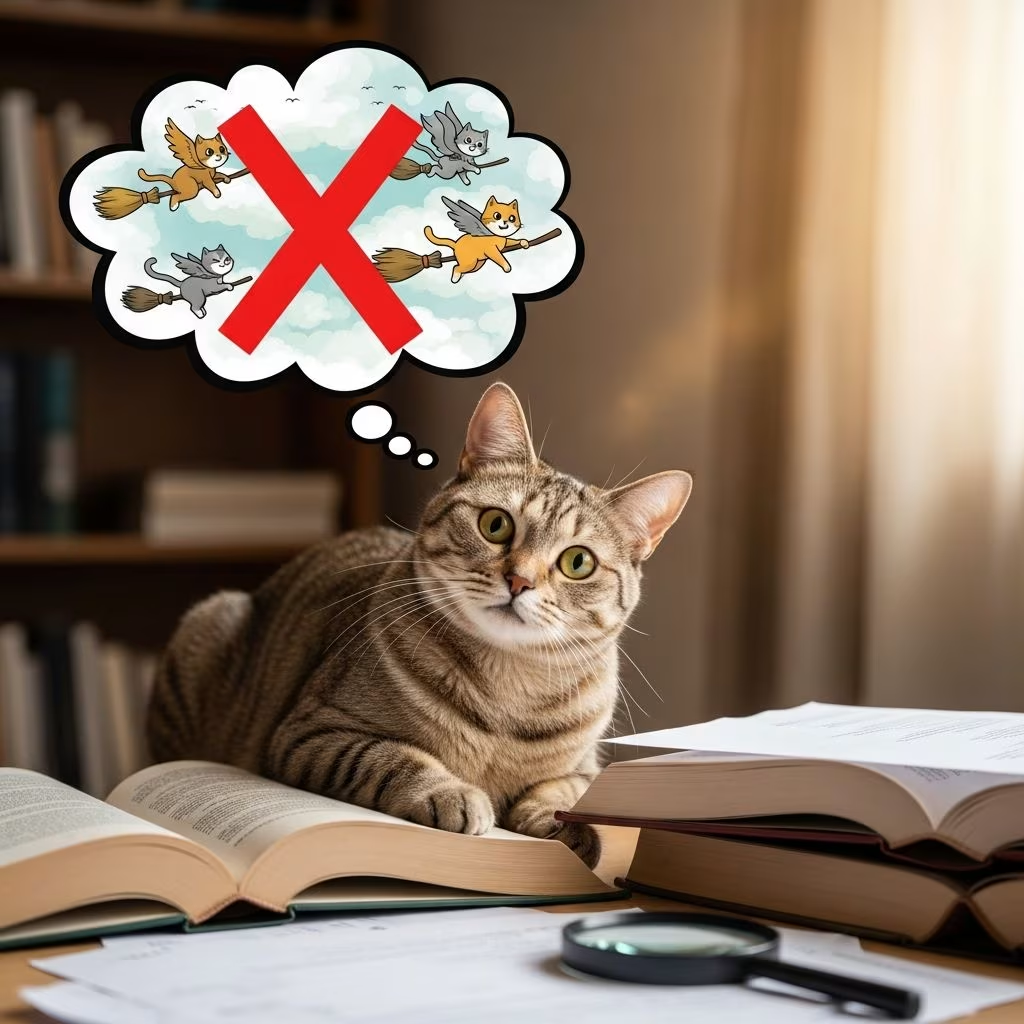
Cats have long been shrouded in mystery, leading to countless myths that shape how we perceive and care for them. From their purring to their playful antics, these misconceptions can hinder proper care. This article debunks 12 common cat myths using insights from veterinary experts and behavioural studies, helping you build a stronger bond with your feline friend.
Myth 1: Cats Purr Only When Happy
Many believe a purring cat is always content, but this is far from true. Cats purr not just during relaxation but also when anxious, in pain, or self-soothing. The vibrations from purring may promote healing, aiding recovery from injuries or stress. Observe body language like flattened ears or tense posture alongside purring to gauge true emotions. Kittens purr to solicit nursing from mothers, while adults use it for communication with humans or other cats. Ignoring context can lead to missing signs of distress in your pet.
Myth 2: A Cat Showing Its Belly Wants Rubs
Exposing the belly seems like an invitation for tummy rubs, but it’s primarily a sign of trust and vulnerability. Cats protect this sensitive area instinctively; touching it can trigger defensive bites or scratches. This behaviour signals comfort in your presence rather than a desire for physical contact. Always read additional cues like relaxed limbs or slow blinks before attempting interaction to avoid startling your cat.
Myth 3: Cats Meow Just for Fun
Meowing is often dismissed as playful noise, yet it’s a sophisticated communication tool primarily directed at humans. Kittens meow to their mothers, but adult cats reserve varied meows—short for greetings, drawn-out for demands like food—for people. Each vocalization conveys needs such as hunger, attention, or discomfort. Understanding these distinctions enhances responsiveness to your cat’s signals.
Myth 4: Cats Scratch Furniture Out of Spite
Scratching destroyed couches is frequently blamed on revenge, but it’s essential natural behaviour. Cats scratch to stretch muscles, shed claw sheaths, and mark territory via scent glands in their paws. Providing scratching posts and regular nail trims redirects this instinct without punishment, which only increases stress.
Myth 5: Cats Knock Things Over Out of Spite
Your cat toppling mugs isn’t malice; it’s curiosity, play, or attention-seeking. Felines explore with paws, pushing unstable objects to test their environment. Secure items and enrich surroundings with toys to satisfy inquisitive natures and prevent accidents.
Myth 6: Cats Choose to Go Outside the Litter Box
Inappropriate elimination seems like defiance, but cats are fastidious by nature. Issues stem from medical problems like UTIs, stress, dirty boxes, or unsuitable litter types/locations. Consult vets first, then optimize litter setup—multiple boxes, unscented litter, private spots—to resolve underlying causes.
Myth 7: Cats Are Antisocial and Aloof
The image of the independent cat ignores their social complexity. Cats form strong bonds, scoring similarly to human toddlers in attachment tests. They thrive on routine and cues, showing stress like hiding or vocalizing when owners are absent. Far from aloof, they are observant and affectionate when understood.
Myth 8: Cats Act Out of Spite or Revenge
Behaviours like peeing on beds are misinterpreted as payback. Cats don’t harbour grudges; actions result from stress, anxiety, or environmental changes. Urinating on your scent-heavy bed self-soothes during absences. Address triggers like new household members rather than assuming malice.
Myth 9: Cats Are Aggressive or Unprovoked in Attacks
Bites or swats appear hostile, but stem from play, overstimulation, pain, hunger, or fear. Young cats play roughly; repeated petting overwhelms sensitive nerves. Check for health issues like arthritis, and heed warning signs like twitching tails to prevent escalation.
Myth 10: Cats Can’t Be Trained
Unlike dogs, cats seem untrainable, yet they respond to cues like can-opening sounds or carrier avoidance through conditioning. Positive reinforcement—clickers, treats—teaches litter use, tricks, or calm vet visits. Consistency unlocks their learning potential.
Myth 11: Cow’s Milk Is Good for Cats
Iconic images belie reality: most adult cats are lactose intolerant, lacking enzymes to digest cow’s milk, leading to diarrhoea. Offer water or cat-safe alternatives; orphaned kittens tolerate it briefly, but adults do not.
Myth 12: Cats Always Land on Their Feet and Have Nine Lives
Cats’ righting reflex aids falls from heights, twisting mid-air via flexible spines and keen senses. However, high falls can cause injuries; ‘nine lives’ myth stems from agility, not invincibility. Supervise to prevent accidents, as survival isn’t guaranteed.
Additional Common Myths
- Pregnant Women Can’t Live with Cats: Risk from Toxoplasma gondii in feces is low; have others clean litter, wash hands.
- Cats Are Nocturnal: Crepuscular—active dawn/dusk—not night prowlers.
- All Cats Hate Water: Some breeds like Turkish Vans enjoy it.
- Cats Don’t Need Exercise: Indoor cats risk obesity; daily play prevents it.
Why These Myths Persist
Myths endure due to anthropomorphism, projecting human emotions onto cats. Media reinforces aloof loners, overlooking nuanced behaviours. Veterinary science reveals cats as sensitive, social beings needing empathy. Debunking fosters better welfare.
How to Understand Your Cat Better
Observe holistically: tail positions (upright=friendly, tucked=fear), ear angles, eye blinks. Enrich environments with perches, toys. Consult vets for changes. Tools like pheromone diffusers aid stress.
| Myth | Reality | Action |
|---|---|---|
| Purring = Happy | Also pain/self-soothe | Check body language |
| Scratching = Spite | Territory/marking | Provide posts |
| Antisocial | Bond-forming | Consistent interaction |
Frequently Asked Questions (FAQs)
Do cats purr when in pain?
Yes, purring can self-soothe during pain or illness, beyond just happiness.
Why does my cat pee outside the litter box?
Usually medical issues, stress, or litter aversion—not spite. Vet check first.
Are cats really aloof?
No, they form attachments like toddlers; stress shows when separated.
Can I train my cat?
Absolutely, with positive reinforcement for behaviours like litter use.
Is milk safe for cats?
No, most adults are lactose intolerant.
References
- Decoding 9 cat behaviour myths — Orion Pharma Animal Health. 2023-10-12. https://www.orionpharmaanimalhealth.com/news/global/paw-pals/cat/decoding-9-cat-behaviour-myths/
- 5 Common Cat Myths Debunked — Los Angeles Times. 2023-08-15. https://www.latimes.com/companion-animals/cats/care/story/common-cat-myths-dubunked
- 10 Popular Cat Myths Completely Debunked by a Vet — Cats.com. 2024-05-20. https://cats.com/cat-myths
- National Cat Day: Debunking 6 Common Cat Myths — East Dallas Vet Clinic. 2023-10-29. https://www.eastdallasvetclinic.com/services/cats/blog/national-cat-day-debunking-6-common-cat-myths
- 4 common cat myths, debunked — Popular Science. 2023-11-07. https://www.popsci.com/environment/cat-myths-debunked/
- 5 Harmful Feline Myths Debunked — Psychology Today. 2023-09-15. https://www.psychologytoday.com/us/blog/animal-minds/202309/5-harmful-feline-myths-debunked
- Common misconceptions about the social behavior of domestic cats — PMC (NCBI). 2024-02-10. https://pmc.ncbi.nlm.nih.gov/articles/PMC10841747/



