

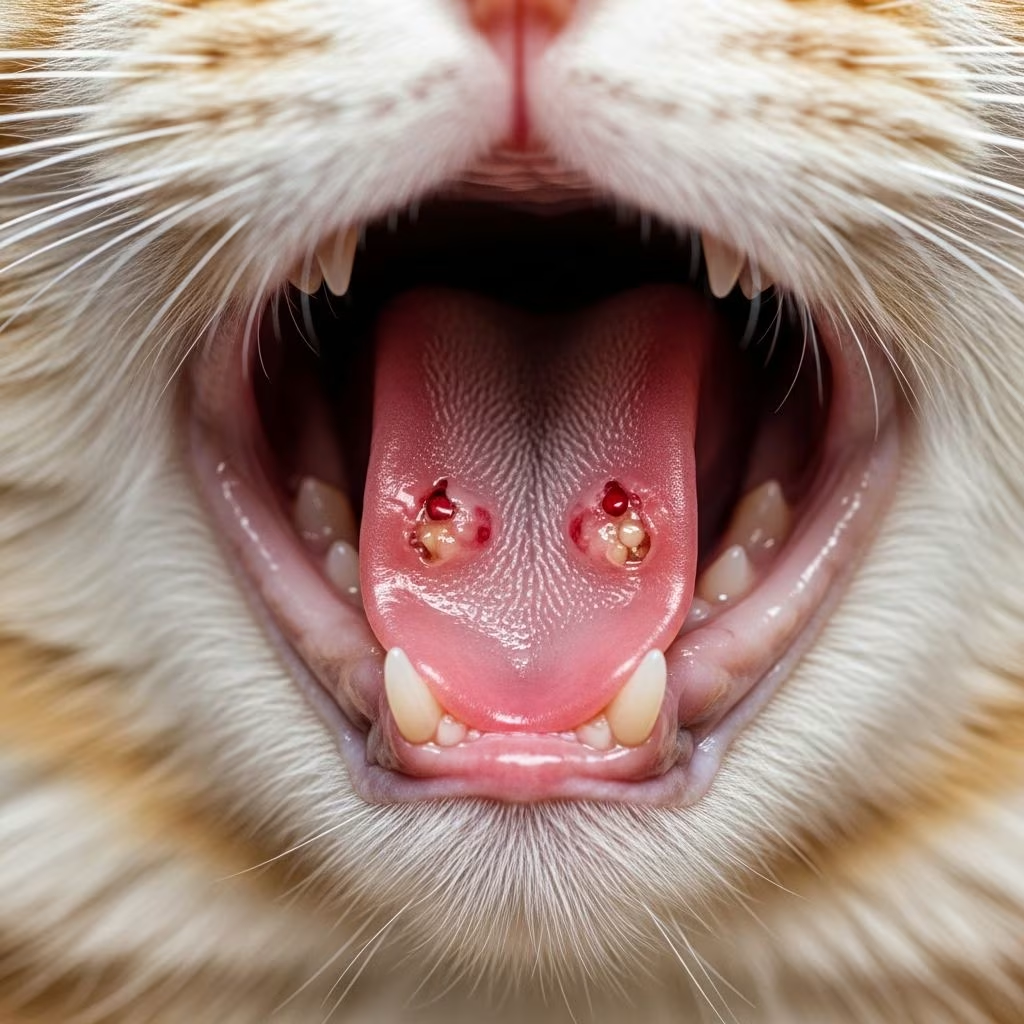
Cat mouth ulcers, also known as oral ulcers or stomatitis, are painful open sores that develop on the gums, tongue, lips, palate, or inner cheeks of cats. These lesions disrupt eating, grooming, and overall well-being, often signaling underlying health issues like infections or dental disease. Early veterinary intervention is crucial since ulcers rarely heal without treatment.
What Are Cat Mouth Ulcers?
Cat mouth ulcers are erosions in the oral mucous membranes, appearing as red, inflamed patches with tissue loss. They result from factors such as viral infections, bacterial buildup, trauma, or immune responses, leading to pain and potential secondary infections. Unlike human canker sores primarily linked to herpes, feline ulcers stem from diverse causes including feline calicivirus (FCV) and gingivostomatitis.
These ulcers weaken the protective mucosal barrier, exposing sensitive tissues and hindering normal functions like chewing. Affected cats often show behavioral changes due to discomfort, emphasizing the need for prompt diagnosis.
Symptoms of Cat Mouth Ulcers
Recognizing symptoms early can prevent complications. Common signs include:
- Excessive drooling: Due to pain, cats produce more saliva, often dripping from the mouth.
- Difficulty eating or drinking: Ulcers make swallowing painful, leading to reduced appetite and weight loss.
- Bad breath (halitosis): Bacterial overgrowth causes foul odor.
- Bleeding gums or saliva: Visible blood indicates severe inflammation.
- Red, swollen gums or mouth: Inflamed tissues with visible ulcers or lesions.
- Pawing at the mouth or face: Cats resist touch due to sensitivity.
- Lethargy or poor grooming: Pain reduces activity and coat maintenance.
Additional systemic symptoms like fever, sneezing, or nasal discharge may accompany viral causes.
Causes of Cat Mouth Ulcers
Multiple factors contribute to mouth ulcers in cats, ranging from infectious agents to environmental triggers. Identifying the root cause guides effective treatment.
Common Causes
- Viral infections: Feline calicivirus (FCV) causes tongue ulcers with respiratory signs like sneezing and fever. Feline herpesvirus (FHV-1) leads to shallow ulcers, watery eyes, and lethargy.
- Gingivostomatitis (Feline Chronic Gingivostomatitis – FCGS): Severe inflammation of gums and mucosa, often linked to dental disease or immune overreaction. Affects palatoglossal folds at the mouth’s back.
- Periodontal disease: Plaque and tartar buildup causes bacterial infections, resulting in ulcers, drooling, and weight loss.
- Eosinophilic granuloma complex: Allergic reactions cause indolent ulcers on lips or mouth, involving eosinophil accumulation.
- Trauma or irritants: Burns from electric cords, acidic foods (e.g., pineapple, lemon), or chemical exposure damage tissues.
- Systemic conditions: Kidney disease, FIV, FeLV, diabetes, or cancer weaken immunity, promoting ulcers.
- Medications and allergies: Long-term NSAIDs or steroids erode stomach/oral linings; allergies cause licking-induced ulcers.
Young kittens are prone to calicivirus-related ulcers, while adults face chronic issues like stomatitis.
Types of Cat Mouth Ulcers
Ulcers vary by cause and location. The table below summarizes key types based on veterinary insights.
| Type | Description | Common Causes | Symptoms | Treatment Overview |
|---|---|---|---|---|
| Gingivostomatitis | Severe gum and mucosa inflammation. | Dental disease, viruses (herpesvirus, calicivirus). | Bad breath, drooling, eating difficulty, weight loss. | Dental cleaning, anti-inflammatories, antivirals, extractions. |
| Periodontal Disease Ulcers | Bacterial gum infections. | Plaque/tartar buildup. | Halitosis, drooling, pain. | Cleaning, antibiotics, periodontal therapy. |
| Herpesvirus Ulcers | Shallow oral sores. | FHV-1 infection. | Sneezing, eye/nasal discharge, lethargy. | Antivirals, supportive care. |
| Calicivirus Ulcers | Tongue-focused lesions. | FCV. | Fever, anorexia, respiratory issues. | Supportive care, pain relief, antibiotics for secondaries. |
| Eosinophilic Granuloma | Inflammatory ulcers. | Allergies. | Lip/mouth ulcers. | Corticosteroids, hypoallergenic diet. |
This classification aids vets in targeted therapy.
Diagnosis of Cat Mouth Ulcers
Veterinarians diagnose via physical exams, often under anesthesia for thorough oral inspection and dental radiographs. Tests include viral PCR for FCV/FHV, bloodwork for systemic diseases (FIV/FeLV, kidney function), and biopsies for cancer or autoimmune issues. Early imaging detects hidden periodontal damage.
Treatment for Cat Mouth Ulcers
Treatment targets the cause, pain, and healing. No one-size-fits-all; vets tailor plans.
- Pain management: Analgesics or anti-inflammatories reduce discomfort.
- Antimicrobials: Antibiotics for bacteria, antivirals for FCV/FHV.
- Dental procedures: Cleaning, extractions for gingivostomatitis (full-mouth often needed).
- Supportive care: Soft diets, fluids, hospitalization if dehydrated.
- Acid reducers/immunosuppressants: For gastric links or autoimmune cases.
- Specialized therapies: Corticosteroids for allergies; tooth resorption management.
Ulcers don’t resolve spontaneously; untreated cases worsen. Success rates improve with compliance, e.g., 80-90% for extractions in stomatitis.
Home Care and Prevention
Support vet care at home:
- Provide soft, non-acidic foods; avoid irritants.
- Maintain oral hygiene with vet-approved wipes or water additives.
- Regular dental check-ups prevent buildup.
- Vaccinate against FCV/FHV; manage stress.
- Monitor for allergies; use flea preventives.
- Secure cords/plants to avoid trauma.
Daily brushing with enzymatic toothpaste reduces plaque. Annual exams catch issues early.
When to See a Vet
Seek immediate care for drooling, appetite loss >24 hours, bleeding, or respiratory signs. Delays risk dehydration, malnutrition, or spread.
Frequently Asked Questions (FAQs)
Do cat mouth ulcers go away on their own?
No, they require treatment for underlying causes; self-resolution is rare.
Can acidic foods cause mouth ulcers in cats?
Yes, high-acidity items like citrus or pineapple irritate mucosa.
Are mouth ulcers contagious?
Viral types (FCV/FHV) are; isolate affected cats.
How long do treatments take?
Acute cases improve in days; chronic stomatitis may need weeks/months.
Can diet prevent ulcers?
Dental diets reduce plaque; consult vets for allergies.
References
- Cat Mouth Ulcers – A Brief Guide on Types, Prevention & Treatment — Vet and Tech. 2023. https://www.vetandtech.com/blogs/cat-mouth-ulcers-a-brief-guide-on-types-prevention-treatment
- What Exactly Are Ulcers in Cats? — North Kenny Veterinary Hospital. 2023. https://northkennyvet.com/blog/ulcers-in-cats/
- Calicivirus in Cats: Common Signs and Treatments — Midtown Veterinary Practice. 2023. https://midtownveterinarypractice.com/blog/calicivirus-in-cats/
- Mouth Inflammation and Ulcers in Cats — WagWalking. 2023. https://wagwalking.com/cat/condition/mouth-inflammation-ulcers
- Treating Feline Mouth Ulcers — Animal Dental Care. 2023-12-10. https://www.wellpets.com/blog/163-treating-feline-mouth-ulcers/
- Canker Sores In Kittens: Causes & Treatment — VCA Animal Hospitals. 2023. https://vcahospitals.com/pediatric/kitten/health-wellness/canker-sores-in-kittens



