

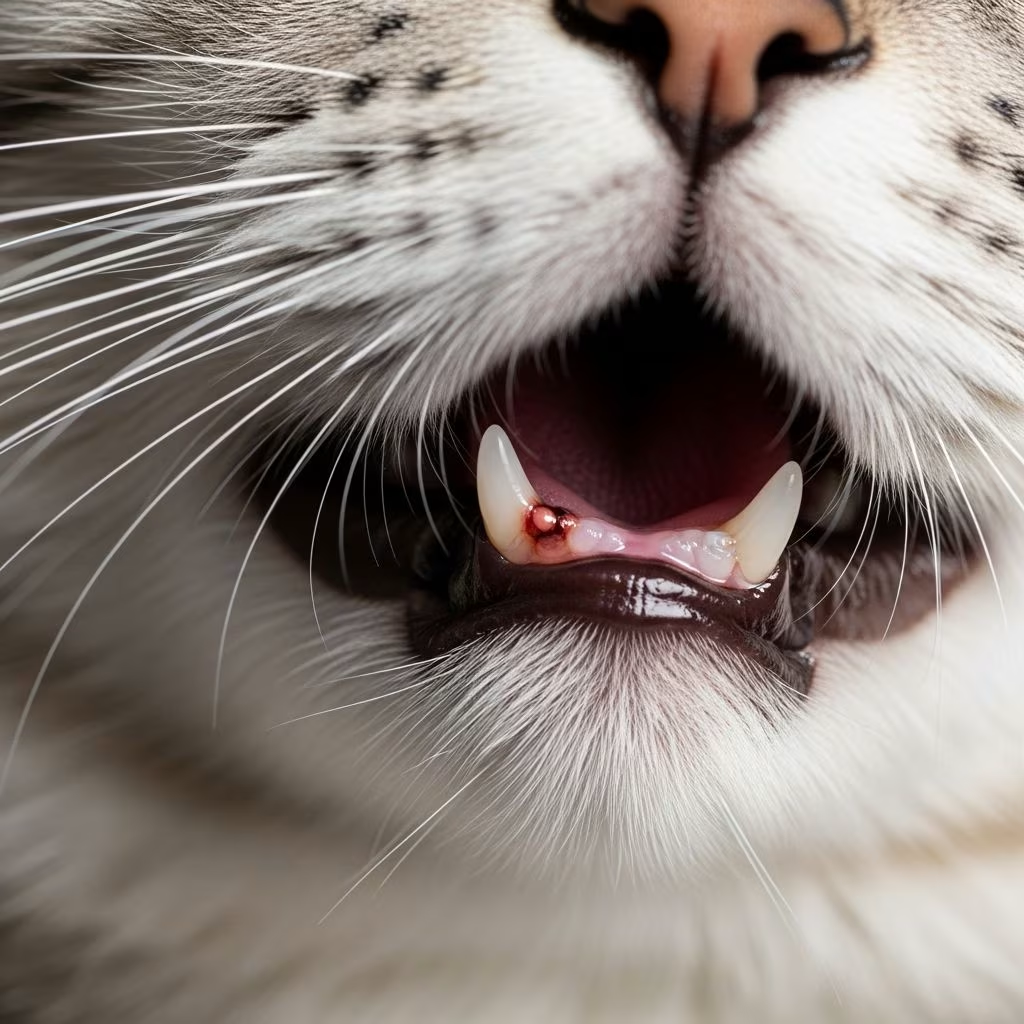
Mouth ulcers in cats are painful open sores that form on the gums, tongue, lips, or inner cheeks, often disrupting eating, grooming, and overall comfort. These lesions stem from various underlying issues like infections, dental problems, or immune responses, requiring prompt veterinary attention to address root causes and alleviate suffering.
Recognizing the Signs of Oral Discomfort
Early detection of mouth ulcers can prevent complications such as weight loss or dehydration. Cats with these sores typically exhibit noticeable behavioral and physical changes that alert owners to potential problems.
- Excessive drooling: Saliva may drip uncontrollably due to pain or irritation in the mouth.
- Difficulty eating: Cats may paw at their mouth, drop food, or avoid hard kibble, leading to appetite loss.
- Bad breath (halitosis): A foul odor often accompanies bacterial buildup or inflammation.
- Bleeding gums or saliva: Red, inflamed areas or blood-tinged drool signal tissue damage.
- Weight loss and lethargy: Prolonged discomfort reduces food intake and energy levels.
- Swollen lips or face: Inflammation may cause visible puffiness or reluctance to be touched.
These symptoms overlap with other conditions, so professional evaluation is crucial for accurate identification.
Primary Culprits Behind Feline Oral Ulcers
Several factors contribute to the development of mouth ulcers, ranging from infectious agents to chronic diseases. Understanding these helps in targeted management.
Viral Infections: Calicivirus and Herpesvirus
Feline calicivirus (FCV) frequently causes shallow ulcers on the tongue’s edges, accompanied by upper respiratory symptoms like sneezing, nasal discharge, fever, and watery eyes. Feline herpesvirus (FHV) similarly triggers oral lesions alongside conjunctivitis and lethargy. These viruses weaken oral tissues, leading to sores that persist without antiviral support.
Dental and Periodontal Conditions
Plaque and tartar accumulation foster bacterial infections, resulting in gingivitis or periodontitis, which erode gums and form ulcers. Gingivostomatitis, a severe form, involves widespread inflammation at the back of the mouth, often linked to dental disease or viruses, causing profound pain and tissue proliferation.
Immune-Mediated and Allergic Reactions
Eosinophilic granuloma complex involves eosinophil infiltration, creating indolent ulcers primarily on lips but extendable to the mouth, often allergy-triggered. Autoimmune disorders like pemphigus also blister oral mucosa.
Trauma, Toxins, and Other Triggers
Physical injuries from chewing electric cords cause burns and ulcers, potentially leading to life-threatening complications like pulmonary edema. Acidic foods (e.g., citrus), chemicals, certain plants, or medications like NSAIDs can irritate and ulcerate tissues. Chronic conditions such as kidney disease or cancer heighten susceptibility.
| Ulcer Type | Main Causes | Key Symptoms | Common Treatments |
|---|---|---|---|
| Gingivostomatitis | Dental bacteria, viruses | Severe pain, drooling, weight loss | Dental extractions, anti-inflammatories |
| Calicivirus Ulcers | FCV infection | Tongue sores, respiratory signs | Supportive care, antivirals |
| Periodontal Ulcers | Plaque buildup | Halitosis, gum bleeding | Cleaning, antibiotics |
| Herpesvirus Ulcers | FHV infection | Nasal/eye discharge | Antivirals, hydration |
| Eosinophilic Ulcers | Allergies, immune response | Lip/mouth lesions | Steroids, diet changes |
Diagnostic Approaches for Accurate Identification
Veterinarians start with a thorough physical exam under sedation for detailed oral inspection and dental radiographs to detect hidden abscesses or bone loss. Swabs test for viruses, biopsies rule out cancer, and bloodwork assesses kidney function or immune status. This comprehensive process pinpoints the exact cause.
Treatment Strategies Tailored to the Cause
No home remedies suffice; ulcers rarely heal without intervention. Plans vary by diagnosis but focus on pain control, infection clearance, and underlying issue resolution.
- Pain management: Analgesics or topical gels ease discomfort, enabling eating.
- Antimicrobials: Antibiotics for bacteria, antivirals for FCV/FHV.
- Dental interventions: Professional cleanings, extractions (partial or full-mouth for stomatitis, curing 60-80% of cases), and debridement.
- Supportive care: Soft diets, fluids, nutritional supplements, hospitalization if dehydrated.
- Acid suppression: For gastric-related or irritant cases.
- Immunosuppressants: Steroids or hypoallergenic diets for allergic/immune ulcers.
For severe gingivostomatitis, full-mouth extractions offer the best long-term success when performed early.
Preventive Measures for Lasting Oral Health
Proactive steps reduce ulcer risk and promote well-being.
- Daily toothbrushing with pet-safe toothpaste and regular vet dental checks.
- Vaccinations against calicivirus and herpesvirus.
- Balanced diet avoiding irritants; dental treats or water additives for plaque control.
- Secure environment: Hide cords, remove toxic plants.
- Stress reduction via enrichment and routine.
Myths and Facts About Feline Mouth Sores
- Myth: Ulcers always indicate calicivirus. Fact: Herpesvirus, toxins, or dental issues can mimic them.
- Myth: They resolve naturally. Fact: Treatment is essential.
- Myth: Only older cats affected. Fact: Kittens and adults are vulnerable.
Frequently Asked Questions
Can diet cause mouth ulcers in cats?
Yes, acidic foods like citrus can irritate and ulcerate oral tissues; tailor diets to your cat’s needs.
How long do cat mouth ulcers last?
Without treatment, they persist or worsen; resolution depends on cause, often weeks with proper care.
Is stomatitis curable?
Extractions lead to cure or major improvement in most cases.
Should I treat ulcers at home?
No, vet diagnosis and therapy are required to avoid complications.
Do vaccines prevent all oral ulcers?
They reduce viral risks but not dental or trauma-induced ones.
Addressing mouth ulcers promptly enhances your cat’s quality of life. Consult a vet at the first sign of oral distress for personalized guidance.
References
- Cat Mouth Ulcers – A Brief Guide on Types, Prevention & Treatment — Vet and Tech. 2023. https://www.vetandtech.com/blogs/cat-mouth-ulcers-a-brief-guide-on-types-prevention-treatment
- What Exactly Are Ulcers in Cats? — North Kenny Veterinary Hospital. 2023. https://northkennyvet.com/blog/ulcers-in-cats/
- Treating Feline Mouth Ulcers — Animal Dental Care. 2023-12-10. https://www.wellpets.com/blog/163-treating-feline-mouth-ulcers/
- Canker Sores In Kittens: Causes & Treatment — VCA Animal Hospitals. 2023. https://vcahospitals.com/pediatric/kitten/health-wellness/canker-sores-in-kittens
- Mouth Ulcers in Cats: Everything You Need to Know — Vetericyn. 2023. https://vetericyn.com/blogs/vetericyn/mouth-ulcers-in-cats-everything-you-need-to-know
- Managing Mouth Ulcers in Pets — Tri County Animal Hospital. 2023. https://tricountyah.com/pet-health/mouth-ulcers/
- Oral Inflammatory and Ulcerative Disease in Small Animals — Merck Veterinary Manual. 2023. https://www.merckvetmanual.com/digestive-system/diseases-of-the-mouth-in-small-animals/oral-inflammatory-and-ulcerative-disease-in-small-animals



