

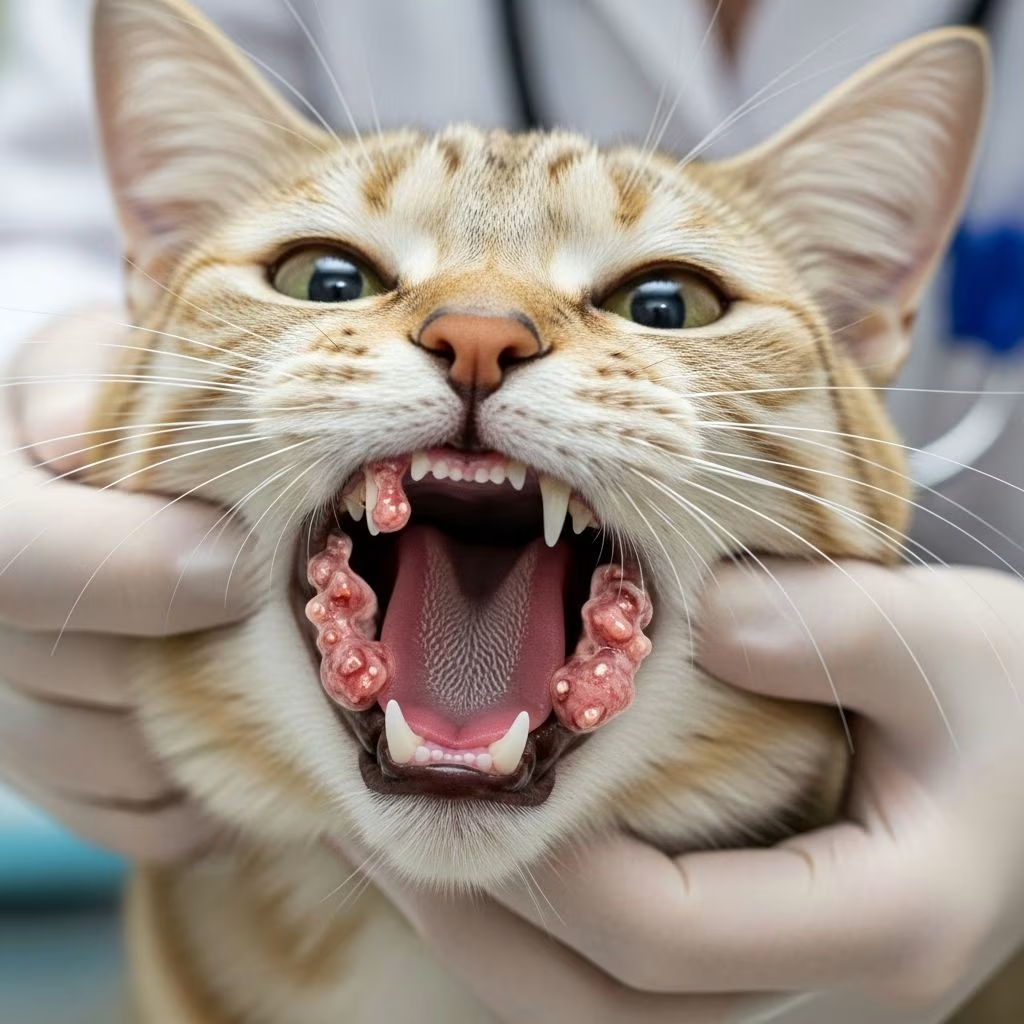
Mouth sores in cats, also known as oral ulcers, represent a frequent yet troubling health issue that can severely impact a feline’s quality of life. These painful lesions often signal deeper problems ranging from infections to chronic inflammation, making prompt veterinary attention crucial for relief and recovery.
Common Triggers Behind Feline Oral Ulcers
Several factors contribute to the development of mouth sores in cats. Identifying the root cause is essential for targeted treatment, as each origin demands a specific approach.
- Viral Infections: Viruses like feline calicivirus and herpesvirus are primary culprits. Calicivirus frequently leads to tongue ulcers alongside respiratory symptoms such as sneezing and nasal discharge, particularly in young cats. Herpesvirus can produce similar oral damage, often with eye involvement.
- Immune System Overreactions: Conditions like feline chronic gingivostomatitis involve an exaggerated immune response to oral bacteria or viruses, resulting in widespread inflammation across gums, tongue, and cheeks. Eosinophilic granulomas, or ‘rodent ulcers,’ appear as lip sores linked to allergies.
- Dental and Periodontal Problems: Plaque buildup causes gingivitis and periodontitis, the leading dental issues in cats, fostering ulcers through bacterial invasion of gums and tissues.
- Trauma and Injuries: Sharp objects, rough play, or fights can lacerate oral tissues, leading to sores that may become infected.
- Toxins and Irritants: Ingestion of harmful plants, chemicals, or burns from hot foods can irritate and ulcerate the mouth lining.
- Oncological Concerns: Squamous cell carcinoma, prevalent in senior cats, manifests as persistent sores mimicking dental disease, necessitating biopsy for confirmation.
Recognizing the Signs of Oral Discomfort in Your Cat
Early detection hinges on observing behavioral and physical changes. Cats mask pain well, so subtle cues warrant a vet check.
| Symptom | Description | Associated Causes |
|---|---|---|
| Excessive Drooling | Often bloody or profuse saliva | Viral ulcers, stomatitis |
| Halitosis | Foul breath odor | Bacterial infections, dental disease |
| Pawing at Mouth | Frequent face rubbing or pawing | Pain from sores or inflammation |
| Eating Difficulties | Reluctance to chew, dropping food | Tongue ulcers, severe gingivitis |
| Weight Loss | Unexplained thinning despite normal appetite | Chronic pain leading to reduced intake |
| Bleeding Gums | Visible blood when yawning or eating | Periodontitis, trauma |
| Visible Lesions | Red, white, or ulcerated patches | Cancer, fungal overgrowth |
Additional indicators include lethargy, hiding, or poor grooming, signaling significant distress.
Diagnostic Approaches for Accurate Identification
Veterinarians employ a multi-step process to pinpoint causes. A thorough oral exam under sedation reveals hidden lesions. Blood tests screen for FeLV, FIV, and systemic issues. Dental radiographs detect hidden abscesses or resorptive lesions. Biopsies confirm cancer or fungal infections like Candida. Viral PCR tests identify calicivirus or herpesvirus. This comprehensive evaluation guides effective intervention.
Treatment Strategies Tailored to the Cause
Management varies by diagnosis, focusing on pain relief, infection control, and addressing the source.
- Supportive Care for Viral Cases: Hydration, soft foods, and antivirals like famciclovir for herpesvirus. Pain meds improve appetite.
- Dental Interventions: Professional cleanings, extractions for stomatitis or periodontitis. Full-mouth extractions resolve 80-90% of severe stomatitis cases.
- Immune Modulation: Steroids or cyclosporine for allergic ulcers, though extractions often yield better long-term results.
- Antibiotics and Antifungals: For bacterial or Candida infections, combined with oral rinses.
- Surgical Options: Tumor removal or debridement for trauma/cancer, potentially with radiation.
- Pain Management: Buprenorphine or meloxicam ensures comfort during healing.
Follow-up care includes soft diets and monitoring for recurrence.
Preventive Measures to Safeguard Your Cat’s Oral Health
Proactive steps reduce risks significantly.
- Regular dental check-ups and cleanings prevent plaque accumulation.
- Vaccinations against calicivirus and herpesvirus lower infection odds.
- Dental diets, treats, and brushing with enzymatic toothpaste maintain hygiene.
- Avoid toxic plants and supervise play to minimize trauma.
- Monitor multi-cat households for virus spread via stress reduction and hygiene.
When to Seek Immediate Veterinary Help
Rush to the vet if sores persist beyond 48 hours, appetite vanishes, or dehydration signs like sunken eyes appear. Severe cases risk malnutrition or secondary infections.
FAQs on Cat Mouth Sores
Do cat mouth sores heal on their own?
No, they typically require veterinary intervention as they stem from underlying issues like viruses or dental disease.
Can diet cause mouth ulcers in cats?
Yes, poor dental hygiene from dry kibble or allergies to food additives can contribute.
Is stomatitis curable in cats?
Extractions often provide permanent relief, though some need ongoing meds.
How much does treating cat mouth sores cost?
Varies from $200 for cleanings to $2000+ for full extractions, depending on severity.
Are mouth sores contagious to other cats?
Viral causes like calicivirus are highly contagious; isolate affected cats.
Long-Term Care and Prognosis
With proper treatment, most cats recover fully. Viral carriers may flare under stress, but management keeps them comfortable. Cancer cases carry guarded outlooks, emphasizing early detection. Regular vet visits ensure sustained oral wellness, allowing your cat pain-free eating and play.
References
- Causes of Mouth Sores in Cats — Animal Dental Care. 2023-05-13. https://www.wellpets.com/blog/206-cat-mouth-sores-causes/
- Cat Mouth Ulcers – A Brief Guide on Types, Prevention & Treatment — Vet and Tech. 2024. https://www.vetandtech.com/blogs/cat-mouth-ulcers-a-brief-guide-on-types-prevention-treatment
- Disorders of the Mouth in Cats — Merck Veterinary Manual. 2025. https://www.merckvetmanual.com/cat-owners/digestive-disorders-of-cats/disorders-of-the-mouth-in-cats
- Canker Sores In Kittens: Causes & Treatment — VCA Animal Hospitals. 2024. https://vcahospitals.com/pediatric/kitten/health-wellness/canker-sores-in-kittens
- Mouth Inflammation and Ulcers in Cats — WagWalking. 2024. https://wagwalking.com/cat/condition/mouth-inflammation-ulcers



