

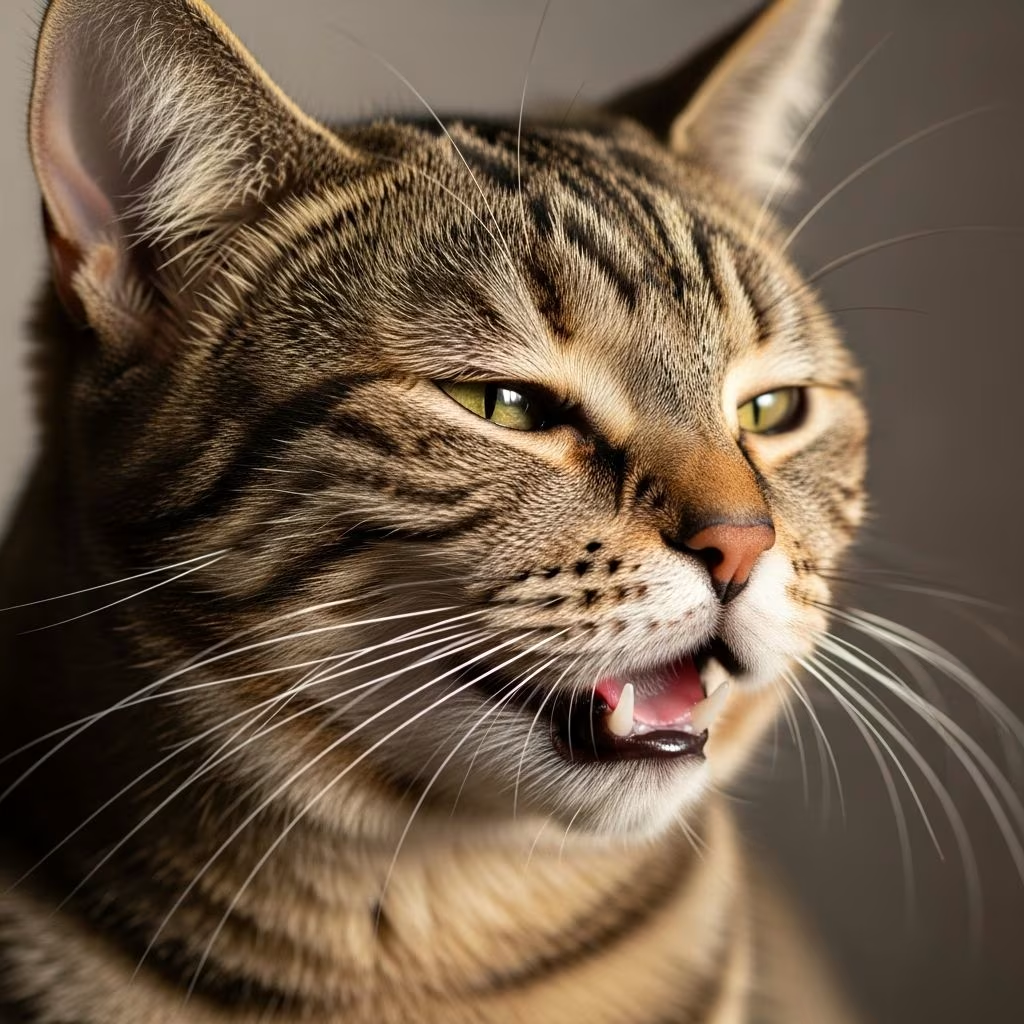
Cats are obligate nose-breathers, meaning they naturally prefer to breathe exclusively through their nasal passages. When you observe your cat breathing with its mouth open, this deviation from normal behavior typically signals an underlying health concern that demands your attention. Unlike dogs, who regularly pant to cool themselves down, cats have a fundamentally different cooling mechanism that doesn’t rely on open-mouth breathing. This distinction makes mouth breathing in felines a red flag that should prompt immediate investigation.
The Fundamental Difference Between Cat and Dog Breathing
Dogs and cats employ entirely different thermoregulation strategies. While canines utilize panting as their primary cooling mechanism by evaporating moisture from their respiratory tract, cats rely on grooming and seeking cooler environments to manage body temperature. This biological difference means that when a cat resorts to mouth breathing, it’s not attempting to cool itself—it’s struggling to obtain sufficient oxygen through compromised nasal passages or respiratory pathways.
Understanding this fundamental distinction helps pet owners recognize that any open-mouth breathing in cats warrants closer examination. A cat that pants resembles an animal in distress rather than one simply regulating temperature, making this behavior distinctly abnormal in feline physiology.
When Brief Mouth Breathing Might Be Considered Normal
While mouth breathing is rarely normal in cats, certain limited circumstances may result in brief episodes. Immediately following vigorous physical activity, such as intense play sessions or climbing, a cat might exhibit momentary open-mouth breathing. Similarly, exposure to extreme heat or stressful situations can occasionally trigger temporary panting. However, these episodes should resolve within minutes as the cat’s respiratory system returns to baseline function.
The critical distinction lies in duration and recovery. Brief panting that resolves quickly differs markedly from persistent open-mouth breathing that continues beyond a few minutes. If your cat remains in a panting state after an extended period, this indicates a more serious underlying issue requiring veterinary evaluation.
Primary Causes of Open-Mouth Breathing in Felines
When cats cannot obtain adequate oxygen through normal nasal breathing, they compensate by opening their mouths to draw air directly into their respiratory system. Multiple conditions can trigger this compensatory response:
Cardiovascular Complications
Heart disease represents one of the most common and serious causes of open-mouth breathing in cats. When the heart fails to function optimally, fluid accumulates in or around the lungs, severely impairing the oxygen exchange process. This fluid buildup forces cats to work harder to obtain sufficient oxygen, driving them to breathe through their mouths as a desperate attempt to improve oxygenation. Feline heart disease, particularly hypertrophic cardiomyopathy, frequently manifests with this symptom.
Respiratory and Airway Disorders
Asthma and other airway conditions cause inflammation and constriction of the breathing passages. This narrowing dramatically reduces airflow to the lungs, forcing cats to utilize mouth breathing to bypass the obstructed nasal passages. Additionally, foreign objects lodged in the throat or upper airway can create complete or partial blockages that necessitate mouth breathing.
Infectious Processes
Upper respiratory infections caused by bacteria or viruses inflame the nasal passages, throat, and sometimes the lungs. The resulting inflammation and congestion restrict normal airflow through the nose, prompting cats to breathe through their open mouths. Some infections progress to pneumonia, which significantly worsens breathing difficulties.
Structural Abnormalities
Certain cat breeds, particularly those with flat or shortened facial structures, are predisposed to brachycephalic airway syndrome. This condition involves multiple anatomical abnormalities including an elongated soft palate, narrowed windpipe (hypoplastic trachea), and everted laryngeal saccules that collectively obstruct airflow and necessitate open-mouth breathing.
External Stressors and Environmental Factors
Acute stress, anxiety, and extreme heat can trigger temporary open-mouth breathing in cats. Additionally, pain from injuries, fever from infections, or other systemic conditions may present as respiratory distress manifesting as mouth breathing.
Critical Warning Signs Demanding Immediate Veterinary Attention
Recognizing the following symptoms alongside open-mouth breathing indicates a medical emergency requiring immediate professional intervention:
- Abnormal gum coloration: Blue-tinged or extremely pale gums suggest insufficient oxygen saturation in the bloodstream
- Labored breathing patterns: Visible heaving of the chest and abdominal walls with each breath indicates significant respiratory effort
- Postural changes: A hunched posture with the neck extended forward and elbows positioned outward from the body is a classic distress indicator
- Excessive drooling: Drooling accompanying respiratory distress may indicate airway obstruction or severe difficulty
- Vocalization changes: Coughing, gagging, wheezing, or raspy sounds during breathing warrant immediate evaluation
- Physical weakness: Lethargy, inability to move normally, collapse, or loss of consciousness indicates severe hypoxia
- Behavioral changes: Restlessness, anxiety, or disorientation may accompany respiratory compromise
Duration as a Critical Assessment Factor
The length of time your cat exhibits open-mouth breathing significantly impacts the urgency of required intervention. Brief episodes lasting seconds to a couple of minutes after exertion may resolve spontaneously. However, open-mouth breathing that persists beyond one to two minutes should be treated as potentially serious. Panting that continues for extended periods—lasting hours, days, or recurring regularly—demands veterinary investigation to identify the underlying pathology.
Patterned open-mouth breathing that occurs consistently in response to specific triggers (such as every time your cat becomes stressed or during warmer weather) suggests a chronic underlying condition rather than an isolated incident. These patterns warrant scheduling a veterinary appointment even if individual episodes seem mild.
Diagnostic Approach and Veterinary Evaluation
When you present your cat to a veterinarian for evaluation of open-mouth breathing, expect a comprehensive assessment including:
- Detailed history regarding the onset, duration, and frequency of breathing changes
- Physical examination evaluating heart rate, lung sounds, and overall body condition
- Assessment of gum color, capillary refill time, and mucous membrane hydration
- Potential diagnostic imaging such as chest radiographs or ultrasound to visualize the heart and lungs
- Blood work to assess overall organ function and rule out infectious processes
- Specialized testing such as echocardiography if heart disease is suspected
Immediate Action Steps for Concerned Cat Owners
If you observe your cat breathing through its mouth, take these immediate steps:
- Stay calm: Your cat will sense your anxiety, potentially increasing its own stress levels and worsening respiratory distress
- Provide a cool, quiet environment: Move your cat to a well-ventilated area away from stressors
- Observe closely: Monitor whether breathing normalizes within a few minutes or persists
- Contact your veterinarian: Call your regular veterinary clinic or emergency facility if breathing doesn’t return to normal quickly
- Avoid handling: Excessive handling and restraint can increase stress and worsen respiratory distress
- Document the event: Note the time, duration, surrounding circumstances, and any accompanying symptoms to share with your veterinarian
Frequently Asked Questions About Feline Mouth Breathing
Is it ever normal for cats to breathe with their mouths open?
Briefly, after intense physical activity or in extreme heat, mild mouth breathing may occur. However, this should resolve within minutes. Persistent or regular open-mouth breathing is abnormal and requires investigation.
How quickly should I seek veterinary care?
If your cat’s open-mouth breathing doesn’t resolve within a couple of minutes, or if it’s accompanied by any warning signs (abnormal gum color, labored breathing, lethargy), seek veterinary care immediately. Don’t wait to see if the problem resolves on its own.
Can stress alone cause open-mouth breathing?
While acute stress can trigger temporary panting, ongoing stress-related breathing problems suggest an underlying condition that warrants professional evaluation. Cats shouldn’t require open-mouth breathing to cope with stress.
What conditions are most likely to cause this symptom?
Heart disease, asthma, respiratory infections, and airway blockages are among the most common causes. The specific cause depends on your individual cat’s health history and breed.
Should I attempt home treatment?
Home treatments are not appropriate for persistent open-mouth breathing. Professional diagnosis is essential to identify the underlying cause and initiate appropriate treatment. Attempting to treat without knowing the cause could delay critical care.
The Importance of Early Recognition and Response
Early identification of breathing problems and prompt veterinary intervention can substantially improve outcomes for cats experiencing respiratory distress. Some conditions, such as acute asthma attacks or airway obstructions, represent genuine medical emergencies where minutes matter. Delaying care risks serious complications or death.
By understanding that open-mouth breathing is abnormal in cats and recognizing the warning signs of serious conditions, you empower yourself to provide appropriate, timely care for your feline companion. When in doubt about your cat’s breathing, err on the side of caution and contact your veterinarian promptly.
References
- Cat Panting With Open Mouth: Urgent Causes and What to Do — GSVS. https://gsvs.org/blog/cat-panting-open-mouth-emergency/
- Brachycephalic Airway Syndrome In Cats — PetMD. https://www.petmd.com/cat/conditions/respiratory/brachycephalic-airway-syndrome-cats
- Open-Mouth Breathing in Cats: Immediate Steps for a Pet Emergency — GSVS. https://gsvs.org/blog/cat-open-mouth-breathing-immediate-steps/
- Open-Mouth Breathing in Cats: What Does It Mean? — Meowtel. https://meowtel.com/blog/post/open-mouth-breathing-in-cats-what-does-it-mean
- Heavy Breathing in Cats, What You Need to Do — Hershey Animal Clinic. https://hersheyanimaler.com/blog/heavy-breathing-in-cats/
- Breathing Problems in Cats — PDSA. https://www.pdsa.org.uk/pet-help-and-advice/pet-health-hub/symptoms/breathing-problems-in-cats
- Why Is My Cat Breathing Fast? Vet Advice Inside — Dwight Veterinary Clinic. https://www.dwightvet.com/cat-breathing-fast-causes-and-care/



