
Cat Motion Sickness: 6 Signs And How To Prevent It
Expert strategies to ease your cat's travel nausea, from desensitization to vet-approved meds for stress-free journeys.
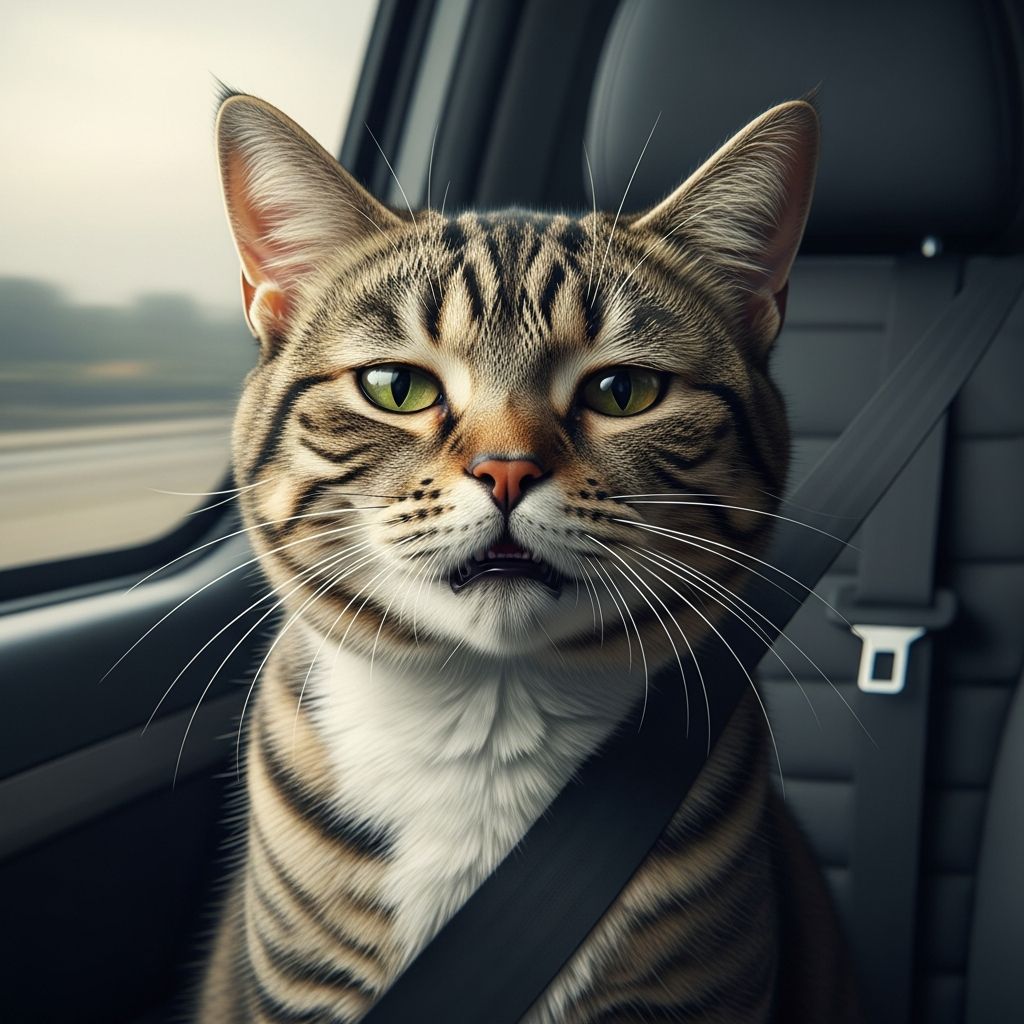
Motion sickness affects many cats during car trips, causing discomfort from nausea and anxiety. This guide explores its causes, recognition, and management strategies for smoother travels.
Understanding the Roots of Travel Discomfort in Cats
Cats’ inner ear structures detect motion, but conflicting signals to the brain during vehicle travel trigger nausea. Unlike dogs, cats often blend true motion sickness with fear of unfamiliar settings, amplifying symptoms even in stationary vehicles.
Young kittens and those new to travel suffer most, as their sensory systems adapt poorly to constant motion, turns, and stops. Stress from carriers or destinations like vet visits worsens the issue, mimicking or intensifying physical sickness.
Spotting the Signs: How to Tell If Your Cat Feels Queasy
Recognize motion sickness early to intervene. Common indicators include:
- Vomiting or retching: Frequent during or right after rides, often with little warning.
- Excessive drooling: Saliva buildup signals nausea.
- Lip licking and swallowing: Subtle queasiness cues.
- Restlessness or vocalizing: Meowing, crying, or pacing shows distress.
- Diarrhea or defecation: Severe cases affect the gut.
- Lethargy post-trip: Fatigue or hiding afterward.
Observe patterns: symptoms starting minutes into the drive suggest motion issues over general anxiety.
Prevention Through Desensitization: Building Positive Associations
Gradual exposure trains cats to tolerate travel. Start young for best results, though adults benefit too.
- Acclimate to the carrier at home: Leave it open with treats inside daily.
- Sit in the stationary car: Engine off first, then running, rewarding calm behavior.
- Short drives: Begin with 2-5 minute loops, praising and treating upon return.
- Link to positives: Pair rides with play or meals, avoiding vet trips initially.
Consistency over weeks reduces fear. Puppies may outgrow it with training; cats often need combined approaches.
Optimizing the Travel Setup for Comfort
A tailored environment minimizes triggers.
| Tip | Why It Helps | Implementation |
|---|---|---|
| Familiar bedding | Reduces novelty stress | Use worn blankets with your scent |
| Secure carrier position | Avoids jolts | Back seat or floor, strapped in |
| Forward-facing carrier | Matches motion direction | Prevents disorientation |
| Ventilation and cover | Cools and calms | Crack windows; light towel over top |
| Travel toys | Distracts positively | New item only for trips |
Avoid feeding 2-4 hours pre-travel to curb vomiting, but offer ice cubes or small water sips.
Calming Aids: Natural and Pheromone Solutions
Non-drug options soothe anxiety-fueled symptoms.
- Pheromone products: Feliway sprays mimic maternal scents; apply to carrier 10+ minutes before.
- Herbal supplements: Ginger aids mild nausea; vet-check cat-safe versions.
- Calming collars: Release steady pheromones for ongoing relief.
These excel for anxiety-dominant cases, common in cats where fear overshadows pure motion issues.
Veterinary Interventions: Medications That Work
When behavioral tweaks fall short, meds target symptoms effectively. Never use human OTC without vet guidance—dosages differ, risking toxicity.
Key options:
- Anti-nausea: Maropitant (Cerenia) blocks vomiting signals; meclizine or dimenhydrinate for milder cases.
- Sedatives/anti-anxiety: For stress; prescription-only like gabapentin.
- Combinations: Vets tailor based on severity, health history.
Administer 30-60 minutes pre-trip. Trials confirm efficacy; consult for dosing.
Long Trip Strategies: Making Extended Journeys Bearable
For vacations or moves:
- Plan routes: Avoid rush hour, curves; travel at night for quiet.
- Breaks every 1-2 hours: Safe stops for water, litter.
- Monitor vitals: Watch for escalation needing immediate vet care.
- Pre-trip fasting: But hydrate post-fast.
Sedation helps long hauls but test short trips first to gauge response.
Common Myths and Facts About Feline Travel Sickness
| Myth | Fact |
|---|---|
| Cats outgrow it always | Many need lifelong management |
| Human Dramamine is safe OTC | Vet dosing required; others toxic |
| It’s just anxiety | Often inner ear + stress combo |
| Vaccine exists | No; prevention via training/meds |
| Contagious | Not; human symptoms coincidental |
Frequently Asked Questions
Can all cats get motion sickness?
Yes, though frequency varies; inner ear sensitivity and travel experience influence risk.
Is OTC Dramamine safe for cats?
Possible at vet-determined doses, but not self-administered—risks overdose.
How long does desensitization take?
Weeks to months; daily short sessions yield results.
Will meds make my cat too sleepy?
Dosed appropriately, side effects minimize; discuss with vet.
Does covering the carrier help?
Yes, reduces visual stimuli causing disorientation.
When to See a Vet Urgently
Seek care if symptoms persist post-training/meds, include blood in vomit, or accompany weight loss—may signal underlying issues like ear infections.
References
- Motion Sickness in Cats: 10 Tips to Help a Car Sick Cat — Bond Vet. 2023. https://bondvet.com/blog/motion-sickness-in-cats
- Motion Sickness in Dogs and Cats — Rhinebeck Animal Hospital. 2023. https://rhinebeckanimalhospital.com/blog/1326353-motion-sickness-in-dogs-and-cats
- Motion Sickness in Cats – Cat Owners – Merck Veterinary Manual — Merck Veterinary Manual. 2023-10-17. https://www.merckvetmanual.com/cat-owners/brain-spinal-cord-and-nerve-disorders-of-cats/motion-sickness-in-cats
- Carsickness and Motion Sickness in Cats — Small Door Veterinary. 2023. https://www.smalldoorvet.com/learning-center/wellness/carsickness-cats
- Can cats get carsick? — Vetster. 2023. https://vetster.com/en/wellness/can-cats-get-carsick
- Motion Sickness in Dogs and Cats — Mallard Creek Animal Hospital. 2023. https://www.mallardcreekvet.com/dr-waldens-blog/motion-sickness-in-dogs-and-cats
Similar Articles








Read full bio of Sneha Tete




