

Understanding Your Cat’s Emotional World
Cats are complex creatures with rich emotional lives that often go unnoticed by their human companions. Unlike dogs that wear their hearts on their sleeves, cats express their moods through subtle body language, vocalizations, and behavioral cues. Understanding these signals is essential for building a stronger relationship with your feline friend and ensuring their emotional well-being. When gauging a cat’s mood, it’s important to take in the big picture first—all sensory inputs, including sights, sounds, and smells, should be taken into account to provide the most accurate assessment of their emotional state.
The Science Behind Cat Emotions
Contrary to popular belief, cats experience a wide range of emotions. Research has demonstrated that cats experience at least six distinct emotions, which can be categorized into four main emotions and two predictive emotions. These emotional states guide their behavior and influence how they interact with their environment and the people around them.
The Four Main Emotions
Fear is a negative emotion triggered when a threat is immediately present, such as encountering a dog or hearing a loud noise. Frustration occurs when the environment doesn’t meet their needs—imagine a cat unable to climb down from a tree or access their favorite hunting spot. Pleasure represents the positive feelings cats experience when eating, receiving affection, or engaging in enjoyable activities. Finally, Relief is the positive emotion felt when discomfort ceases, such as when a closed door is opened, allowing access to a desired space.
Predictive Emotions
Beyond these primary emotions, cats also experience predictive emotions that anticipate future events. Anxiety develops when cats anticipate something fearful, such as separation anxiety before a vacation or a trip to the veterinarian. Anticipation, a positive emotion, occurs when cats expect something pleasurable, particularly during hunting or when they see you preparing their meal.
The Role of Dopamine in Cat Behavior
Understanding the neurochemistry behind cat emotions reveals why certain activities are so rewarding to them. Dopamine, a neurotransmitter associated with pleasure and motivation, is released in a cat’s brain during moments of eager anticipation. This release occurs not only when hunting but also during training sessions with treats or praise. These dopamine releases significantly reduce the likelihood of your cat experiencing boredom, anxiety, or depression, making mental stimulation through training and play crucial for their psychological health.
Recognizing Positive Cat Moods
The Content and Relaxed Cat
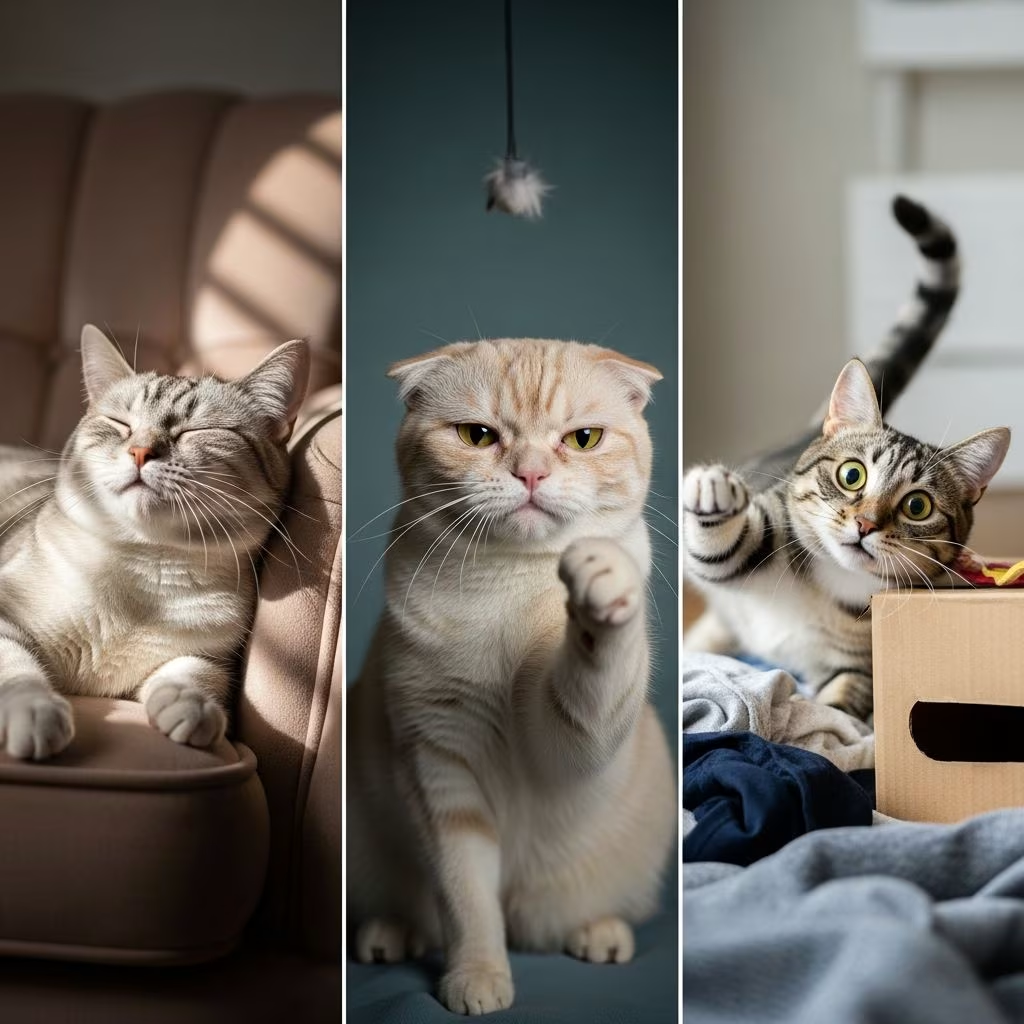
A content cat displays several unmistakable signs of happiness and relaxation. Their body becomes loose and flexible, with muscles that appear soft and undefined. The tail is typically held upright or curved gently, sometimes moving slowly from side to side in a rhythmic pattern. Their ears are positioned normally, facing forward with a slight rotation, and their eyes appear half-closed or slowly blinking. A purring cat is an unmistakable indicator of contentment, though it’s worth noting that cats may purr in other contexts as well. Many satisfied cats will perform the “slow blink,” closing their eyes slowly and deliberately—this is actually a sign of affection and trust.
Affectionate and Loving Behavior
When your cat is feeling affectionate, they may engage in head-bunting, where they rub their head against your hands, legs, or face. This behavior serves multiple purposes: it marks you with their scent glands, establishes social bonding, and demonstrates trust. A cat seeking affection may also weave between your legs, purr loudly, and jump onto your lap for cuddles. Some cats will knead with their paws—a leftover behavior from kittenhood—while purring contentedly. This behavior indicates deep relaxation and attachment to you as their trusted companion.
Playful and Energetic Moods
Playful cats display behaviors that can sometimes be mistaken for aggression since play mimics hunting behaviors. A playful cat’s pupils will dilate, and their eyes will become very wide, giving them an alert and engaged appearance. Their toes will spread apart to gain traction for sudden, quick movements, and their tail becomes twitchy or flicks rapidly from side to side. During active play, cats might stalk, chase, pounce, swat, bite gently, shake toys, or perform “rabbit kicks” where they grab an object and kick it repeatedly with their hind legs. Understanding that these behaviors represent joy rather than aggression is crucial for proper interpretation of your cat’s mood.
Identifying Negative Cat Moods
Fear and Anxiety
A frightened or anxious cat exhibits distinctive defensive behaviors designed to make them appear smaller and less threatening. They may crouch low to the ground with their body compressed, ears flattened backward against their head, and eyes dilated wide. Frightened cats often retreat to hiding spots, such as under beds or in closets, where they feel safe and secure. They may hiss or growl as a warning to potential threats, and their tail will typically be tucked tightly underneath their body. Some anxious cats may also display excessive grooming or refuse to eat, as stress affects their appetite and comfort behaviors.
Frustration and Irritation
Frustrated cats often display a variety of signals indicating their discontent with their current situation. Their tail may swish back and forth in quick, agitated movements, and their ears might twitch or rotate backward. A frustrated cat’s eyes may narrow, and they may vocalize with short, sharp meows or chirps. They might pace restlessly, unable to settle into a comfortable position, or repeatedly attempt to access something they cannot reach. It’s important to recognize these signs early, as continued frustration can lead to more aggressive behaviors.
Annoyance and Aggression
An annoyed or angry cat presents clear warning signals before escalating to aggressive behavior. The ears flatten against the head, the tail becomes rigid and held low or thumps against the ground forcefully, and the pupils dilate significantly. Their body may arch, making them appear larger and more intimidating, and they may hiss, growl, or swat at you with their paws. The whiskers often flatten against their face, and they may open their mouth as if to bite. When you notice these signs, it’s best to give your cat space and allow them to disengage from the situation. Respecting their boundaries is crucial for preventing escalation and maintaining your relationship.
The Hilarious Side of Cat Moods
The “Zoomies”
One of the most entertaining feline behaviors is what cat lovers affectionately call “the zoomies”—sudden bursts of frenzied energy where cats race around the house at full speed, often for no apparent reason. These moments of chaotic energy typically occur during dawn or dusk hours when cats’ natural hunting instincts peak. During the zoomies, cats may leap over furniture, slide across hardwood floors, and perform acrobatic stunts that defy gravity. This behavior is completely normal and healthy, representing the release of pent-up energy and the expression of their predatory nature in a safe environment.
The Guilty Conscience Act
Many cat owners have witnessed the hilarious sight of a cat caught in the act of mischief, suddenly attempting to look innocent. A cat who has just knocked a glass off the counter or knocked over a plant might freeze in an exaggerated casual pose, perhaps grooming their paw with deliberate nonchalance or staring intently at something in the distance. While this behavior might appear to indicate guilt, it’s more likely a response to your disapproving tone or body language—cats are experts at reading human emotions and responding accordingly.
The Dramatic Belly-Up Display
When a cat rolls onto their back and exposes their belly, many assume this is an invitation to pet their tummy. In reality, this behavior is more nuanced. While it can indicate trust and relaxation, it can also be a strategic defensive position where the cat can use all four paws and claws if necessary. Some cats will flop onto their backs in the most dramatic fashion possible, creating an entertaining and endearing display of confidence and comfort in their environment.
The “Slow Blink” Love Language
Perhaps one of the most delightful and seemingly silly cat behaviors is the slow blink. When a cat slowly closes their eyes while looking at you and then reopens them, they’re communicating deep affection and trust. This behavior has become so recognized that cat lovers often respond with their own slow blinks, creating a charming form of non-verbal communication between human and feline. This genuine expression of love often appears humorous to observers but represents a meaningful moment of bonding.
Understanding Body Language: A Complete Guide
Tail Language
The cat’s tail is perhaps one of the most expressive parts of their body. An upright tail with a slight hook at the tip indicates confidence and happiness. A tail held low or tucked underneath suggests fear or submission. Rapid, thumping tail movements indicate agitation or overstimulation, while slow, lazy tail movements represent contentment. A tail that’s puffed up and appears twice its normal size is a sign of extreme fear or aggression, making the cat appear larger to potential threats.
Ear Position and Movement
A cat’s ears are highly mobile and communicative. Forward-facing ears indicate alertness and interest, while ears rotated backward suggest irritation or anxiety. Ears pressed flat against the head is a clear sign of fear or aggression. When a cat’s ears are slightly to the side in a relaxed position, this typically indicates contentment and a calm emotional state.
Eye Contact and Pupil Dilation
The eyes reveal much about a cat’s emotional state. Dilated pupils can indicate excitement, playfulness, or fear, depending on the context. Narrowed eyes often suggest focus or irritation. A cat who maintains soft, relaxed eye contact with occasional slow blinks is demonstrating trust and affection. Direct staring, on the other hand, can be confrontational or a sign of intense focus on prey.
Tips for Managing Your Cat’s Moods
Creating a Positive Environment
Providing your cat with appropriate environmental enrichment helps maintain positive moods and prevents frustration-based behavioral problems. Offer scratching posts, climbing trees, and interactive toys that engage their hunting instincts. Ensure they have quiet spaces where they can retreat when feeling stressed or overwhelmed. Regular play sessions simulate hunting behavior and release excess energy, reducing the likelihood of destructive behaviors born from boredom.
Respecting Your Cat’s Boundaries
One of the most important aspects of managing cat moods is respecting their autonomy and boundaries. Avoid reacting with anger when your cat responds naturally to uncomfortable situations; instead, try to understand their body language and let them determine the level of contact they’re comfortable with. Over-comforting can backfire—if you notice signs of annoyance, it’s often best to leave them alone rather than attempting to soothe them through petting, as cats can remain highly agitated for extended periods.
Positive Reinforcement Training
Using positive reinforcement during training sessions helps maintain your cat’s positive emotional state. Food rewards and verbal praise motivate cats to engage in desired behaviors. Keep training sessions short, typically around five minutes, to prevent boredom and frustration. Let your cat choose whether to participate—if they walk away, respect their decision and try again later. This approach ensures that training becomes a pleasant activity for both you and your cat, strengthening your bond in the process.
When to Seek Professional Help
If your cat’s mood changes dramatically or they display consistently negative behaviors such as aggression, excessive hiding, or loss of appetite, it may be time to consult with a veterinarian or feline behavior specialist. These signs can indicate underlying medical issues or behavioral problems that require professional intervention. A veterinary behaviorist can provide personalized strategies to address mood-related challenges and improve your cat’s overall well-being.
Frequently Asked Questions
Q: How can I tell if my cat is happy?
A: Happy cats display several signs including purring, slow blinking, upright tails, head-bunting, and relaxed body posture. They may also seek out your company and engage in playful behavior.
Q: What does it mean when my cat’s tail is puffed up?
A: A puffed-up tail is a defensive mechanism indicating fear or aggression. Your cat is attempting to appear larger to intimidate potential threats. Give them space and allow them to calm down.
Q: How long can cats stay angry?
A: Cats can remain highly agitated for extended periods, sometimes hours. It’s best to give them space and allow them to cool down naturally rather than forcing interaction.
Q: Is it safe to pet a cat’s belly?
A: While some cats enjoy belly pets, many find it overstimulating. Watch for signs of irritation such as tail thumping or skin rippling, and stop petting if your cat shows discomfort.
Q: What should I do if my cat is displaying anxiety?
A: Provide safe spaces for your cat to retreat, maintain consistent routines, and avoid sudden changes in their environment. Consult with a veterinarian if anxiety persists or worsens.
Q: Can cats learn to control their moods?
A: While cats cannot consciously control their emotions, consistent positive reinforcement training and a supportive environment can help them develop better emotional responses and reduce negative behaviors.
References
- How to Train a Cat — British Psychological Society. Accessed November 2025. https://www.bps.org.uk/psychologist/how-train-cat
- How to Read Cat Body Language and Emotions — Best Friends Animal Society. Accessed November 2025. https://bestfriends.org/pet-care-resources/how-read-cat-body-language-and-emotions
- Understanding Cat Body Language & Behaviour — Purina UK. Accessed November 2025. https://www.purina.co.uk/articles/cats/behaviour/understanding-cats/cat-body-language
- The Definitive Guide to Cat Behavior and Body Language — Tuft & Paw. Accessed November 2025. https://www.tuftandpaw.com/blogs/cat-guides/the-definitive-guide-to-cat-behavior-and-body-language
- Ultimate Guide to Cat Training — OutdoorBengal. Accessed November 2025. https://www.outdoorbengal.com/blogs/clicker-training-cats/cat-training-guide
- An Easy Guide to Understanding Cat Behavior — Omlet Blog US. May 20, 2024. https://blog.omlet.us/2024/05/20/an-easy-guide-to-understanding-cat-behavior/
- Feline Behavior Guidelines — American Association of Feline Practitioners. January 2024. https://catvets.com/wp-content/uploads/2024/01/FelineBehaviorGLS.pdf



