

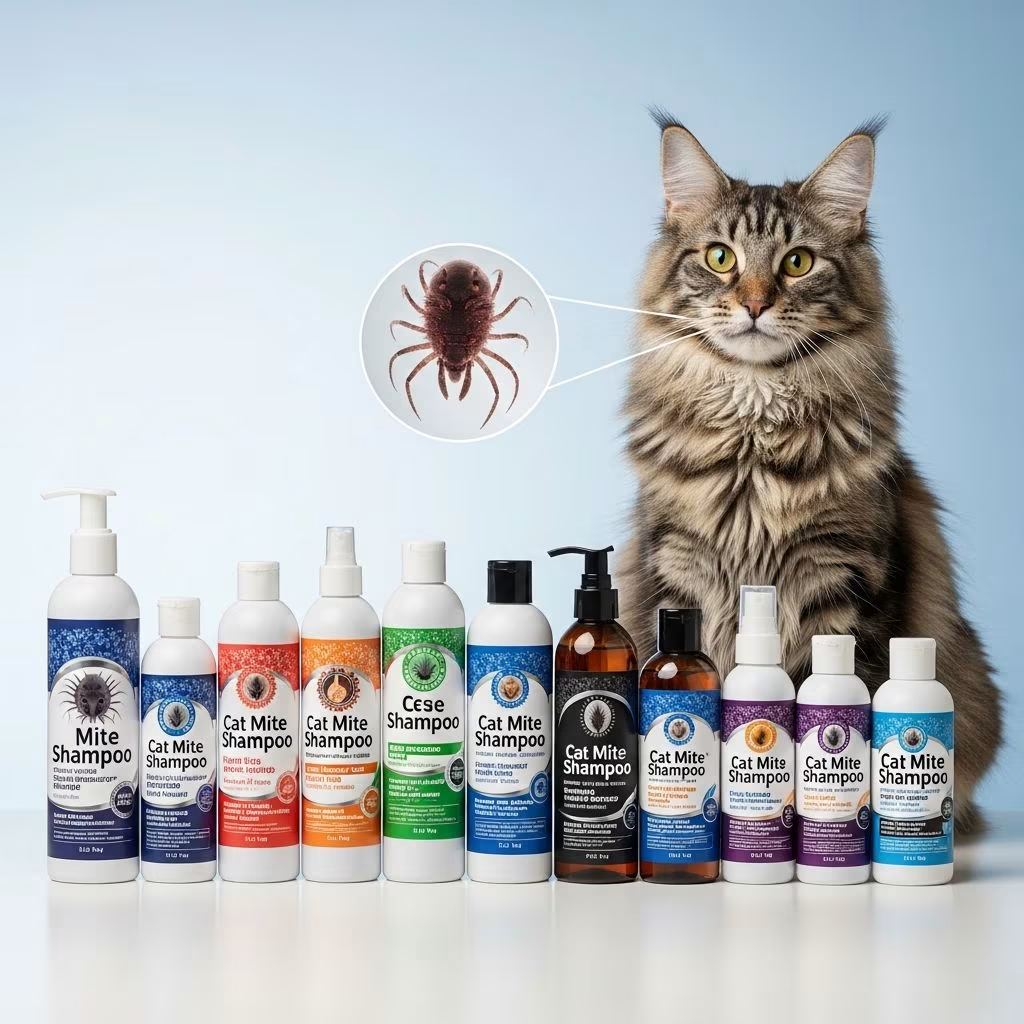
Specialized shampoos offer a frontline defense against mites in cats, targeting parasites that cause itching, hair loss, and skin irritation. These products, often medicated or homeopathic, help remove mites while soothing affected areas, but must be paired with veterinary guidance for best results.
Understanding Mites in Cats
Mites are microscopic arachnids that infest cats, leading to conditions like mange or acariasis. Common types include ear mites, which thrive in ear canals, and burrowing or fur mites that affect the skin and coat. These parasites spread easily in multi-cat environments or via contact with infested bedding.
- Ear Mites (Otodectes cynotis): Highly contagious, causing dark, crumbly discharge and head shaking.
- Notoedric Mites: Burrow into skin, provoking intense itching and crusty lesions, often starting at the ears.
- Fur Mites (Lynxacarus radovskyi): Create a ‘salt-and-pepper’ coat appearance with dandruff-like movement.
- Demodex Mites: Typically harmless but problematic in immunocompromised cats, leading to hair loss.
Early detection prevents escalation, as untreated infestations can damage skin barriers and invite secondary bacterial infections.
Signs Your Cat Has Mites
Observe for excessive scratching, especially around ears and neck, accompanied by hair loss or scaly skin. Ear mites produce coffee-ground-like wax, while skin mites cause red bumps, alopecia, and a gritty coat feel. In advanced cases, ears may droop or swell, signaling potential eardrum issues.
| Symptom | Mite Type | Severity Level |
|---|---|---|
| Black ear discharge | Ear mites | Mild to moderate |
| Hair loss on head/neck | Burrowing mites | Moderate to severe |
| Walking dandruff | Fur mites | Mild |
| Generalized bald patches | Demodex | Severe (if widespread) |
Diagnosis involves skin scrapes, tape tests, or microscopic exams by a vet to confirm mites and rule out allergies or fleas.
Role of Shampoos in Mite Treatment
Medicated shampoos with antiseborrheic properties loosen crusts, kill surface mites, and cleanse debris, preparing skin for topical meds. Lime-sulfur shampoos are particularly effective and safe, even for kittens, requiring weekly applications over 4-8 weeks.
- Apply shampoo by wetting the coat thoroughly, lathering, and leaving on for 5-10 minutes before rinsing.
- Focus on neck, back, and tail base for fur mites; avoid eyes and ears unless specified.
- Combine with ear cleaners for comprehensive care.
Homeopathic or herbal shampoos provide gentler options for mild cases, reducing itch without harsh chemicals.
Step-by-Step Treatment Guide
Begin with isolation to prevent spread, then follow this protocol:
- Clean the Environment: Vacuum bedding and wash fabrics in hot water; mites survive off-host up to 10 days.
- Ear Cleaning (for Ear Mites): Use vet-approved solutions to flush wax gently; never probe deeply to avoid drum rupture.
- Shampoo Bath: Bathe weekly with anti-mite formula, followed by drying thoroughly.
- Apply Topicals: Use pyrethrin-based drops or spot-ons post-bath; milbemycin options for systemic control.
- Treat All Pets: Household animals need simultaneous treatment.
Treatment cycles last 6-8 weeks, repeating cleanses and meds to target all life stages.
Top Shampoo Recommendations and Alternatives
Vets endorse lime-sulfur dips for efficacy against multiple mites. Over-the-counter options include flea/tick shampoos with cat-safe insecticides, but confirm labels specify feline use—dog products can be toxic.
- Lime-Sulfur Shampoos: Highly effective for mange; safe for young cats.
- Medicated Antiseborrheic Formulas: Remove scales and kill mites.
- Herbal Ear Cleansers: With aloe for soothing wax removal.
For severe cases, prescription injectables or orals outperform shampoos alone.
Preventing Mite Reinfestations
Monthly flea preventives often control mites as a bonus. Regular grooming, clean litter boxes, and quarantine new cats minimize risks. In catteries, routine dips maintain mite-free status.
Monitor multi-pet homes closely, as fur mites like Lynxacarus rarely affect humans but thrive regionally (e.g., Florida, Hawaii).
Potential Risks and When to See a Vet
Shampoos may dry skin if overused; dilute as directed. Seek immediate care for pus, fever, or no improvement after two weeks—indicating resistance or underlying illness like diabetes.
Humans rarely get feline mites, but walking dandruff types can cause temporary irritation.
Frequently Asked Questions (FAQs)
Can I use dog mite shampoo on my cat?
No, dog formulas are often too strong and poisonous to cats. Always select cat-specific products.
How long until mites are gone after shampooing?
Expect 4-8 weeks with consistent treatment; full cycles kill eggs and larvae.
Do mites spread to humans from cats?
Rarely; most feline mites don’t survive on people, though brief itching may occur.
Is lime-sulfur safe for kittens?
Yes, it’s one of the safest for young animals when used as directed.
Can home remedies replace vet treatment?
They aid mild cases but not severe infestations; professional diagnosis ensures complete eradication.
Holistic and Supportive Care
Boost immunity with omega-3 supplements and balanced diets to deter demodex flares. Stress reduction via play aids recovery, as anxiety worsens scratching.
References
- Cat Mites | Signs, Symptoms & Treatment — Pet Assure. 2023. https://www.petassure.com/new-newsletters/cat-mites/
- Mite Infestation (Mange, Acariasis, Scabies) of Cats – Cat Owners — Merck Veterinary Manual. 2024-02-01. https://www.merckvetmanual.com/cat-owners/skin-disorders-of-cats/mite-infestation-mange-acariasis-scabies-of-cats
- Ear Mite Treatment for Cats and Dogs — Bio-Groom. 2023. https://biogroom.com/product/ear-mite-treatment-for-cats-and-dogs/



