

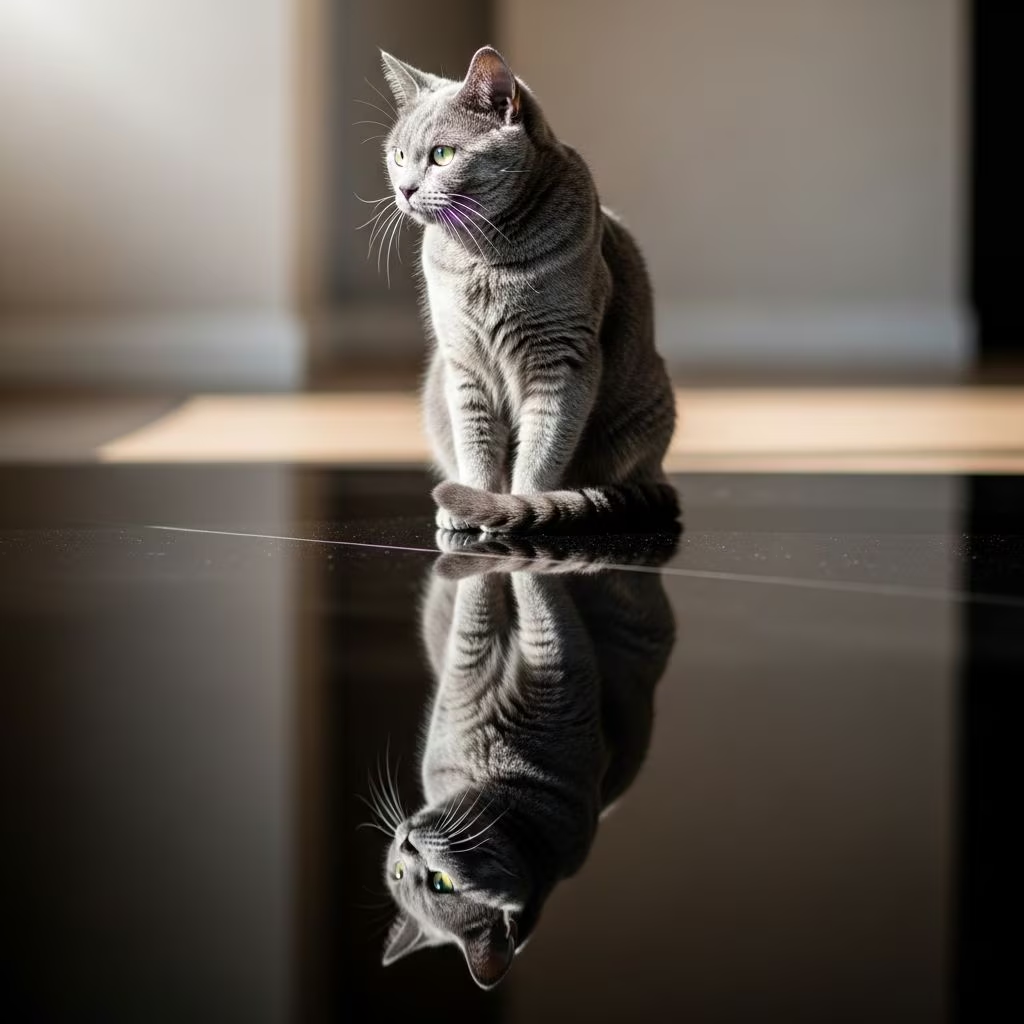
Cats often imitate the actions, routines, and even emotional states of their human companions or fellow pets, a phenomenon known as **cat mirroring**. This behavior strengthens social ties and reflects deep affection, though it can occasionally signal underlying issues like boredom or stress.
Defining Feline Imitation in Everyday Life
At its core, cat mirroring involves felines replicating observed behaviors from those around them. A cat might paw at a keyboard while you type, trail you from room to room, or synchronize nap times with your schedule. These actions aren’t mere coincidences; they demonstrate a cat’s keen observational skills and desire for connection.
Between cats, mirroring appears as synchronized grooming sessions, shared sleeping spots, or matching play styles. With humans, it extends to meowing in response to speech or attempting to ‘join’ meals by pawing at food. Such imitation highlights cats’ social nature, challenging the stereotype of solitary creatures.
The Science Behind Why Cats Copy Behaviors
Research suggests multiple drivers for this imitation. Kittens primarily learn survival skills by observing and copying their mothers, a foundational instinct that persists into adulthood. Adult cats extend this to humans, mirroring to navigate environments or build rapport.
A UK study surveying over 3,000 cat owners used the Big Five Inventory to link human personality traits with feline behaviors. Owners high in neuroticism often had cats showing stress-related issues like aggression or anxiety, indicating bidirectional influence where cats absorb and reflect owner emotions.
Extroverted owners reported cats with more outdoor freedom, while agreeable owners expressed higher satisfaction with their pets’ temperaments. This mutual shaping underscores cats as “mini-mes,” deeply affected by their social circles.
Common Manifestations of Mirroring
- Physical Actions: Cats may bat at objects you’re handling or position themselves identically during activities.
- Routine Syncing: Eating, sleeping, or waking at times matching yours, fostering household harmony.
- Vocal Responses: Meowing back during conversations, mimicking speech patterns for engagement.
- Emotional Echoes: Displaying anxiety or relaxation in tandem with your mood, per personality studies.
Observe your cat during daily tasks; subtle copies often reveal strong bonds. For multi-cat homes, paired felines mirroring each other signals profound companionship.
Positive Impacts on Cat-Human Relationships
When benign, mirroring enhances emotional ties. It shows trust and a wish for inclusion, boosting mutual well-being. Cats engaging this way seek interaction over toys or treats, prioritizing companionship.
Imitation also aids learning. A Japanese case study featured a cat named Ebisu, trained to replicate owner actions with 81% success, hinting at innate imitative potential needing further exploration. Such bonds make cats integral family members, influencing and mirroring us reciprocally.
Potential Downsides and Red Flags
Not all mirroring is ideal. Disruptive forms—like constant keyboard interruptions during work or mimicking destructive habits—can strain relationships. If a cat copies neurotic behaviors, such as excessive vocalizing tied to owner stress, it may indicate emotional mirroring gone awry.
Boredom-driven following, rather than affection, calls for intervention. Cats trailing owners might crave stimulation, mistaking pursuit for fulfillment. Persistent issues mimicking negative traits warrant professional input to prevent welfare declines.
| Sign of Healthy Mirroring | Sign of Problematic Mirroring |
|---|---|
| Playful imitation during fun activities | Interrupting focused tasks repeatedly |
| Synced rest aligning with natural cycles | Copying stress-induced aggression |
| Mutual grooming or napping with others | Excessive following from boredom |
Encouraging Healthy Imitation
Promote positive mirroring through enrichment. Interactive toys and puzzles channel energy constructively, reducing disruptive copies. Scheduled play mimics your routines positively, satisfying mental needs.
Maintain stable environments; cats thrive on predictability, mirroring calm routines confidently. Positive reinforcement during imitative play reinforces bonds without excess.
Addressing Excessive or Negative Mirroring
For disruptions, consult certified behaviorists. They assess if mirroring stems from anxiety, modeling owner habits, or unmet needs, crafting tailored plans.
Introduce alternatives like puzzle feeders during work hours. Vertical spaces and solo toys deter needy shadowing. Track patterns: if tied to your stress, self-reflection aids holistic fixes.
Cat Mirroring Across Life Stages
Kittens mirror most avidly for learning, adults for bonding, seniors possibly from routine comfort. Age-tailored approaches ensure mirroring remains beneficial.
FAQs on Cat Mirroring
Is cat mirroring always a good sign?
Usually yes, indicating affection, but disruptive or negative copies may signal boredom or stress.
Can cats mirror other pets?
Absolutely; bonded cats often sync behaviors like eating or playing, strengthening groups.
How does personality affect mirroring?
Owners’ traits like neuroticism correlate with similar cat behaviors, per large-scale studies.
What if my cat mirrors bad habits?
Redirect with enrichment and seek behaviorist help if persistent.
Does mirroring mean my cat is happy?
Often, but pair with other welfare checks like appetite and litter use.
Building Stronger Bonds Through Understanding
Recognizing mirroring deepens appreciation for cats’ social depth. By addressing its roots—affection, learning, or influence—you foster healthier homes. Continued research will clarify mechanisms, but current insights empower better care.
References
- What Is Cat Mirroring? Vet-Approved Behavior Explanation — Hepper. 2023. https://articles.hepper.com/what-is-cat-mirroring/
- What Is Cat Mirroring? Vet-Reviewed Facts & Why They Do It — Catster. 2023. https://www.catster.com/cat-behavior/what-is-cat-mirroring/
- If Your Cat’s Neurotic, Scientists Say It’s Probably Just Mirroring You — ScienceAlert. 2019-06-13. https://www.sciencealert.com/scientists-say-your-cat-is-probably-mirroring-your-own-personality
- What Is Mirroring Behavior And Why Does My Cat Do It? — FrontPageMeews (CatGazette). 2023. https://frontpagemeews.com/category/cats/cat-behavior/cat-mirroring/



