

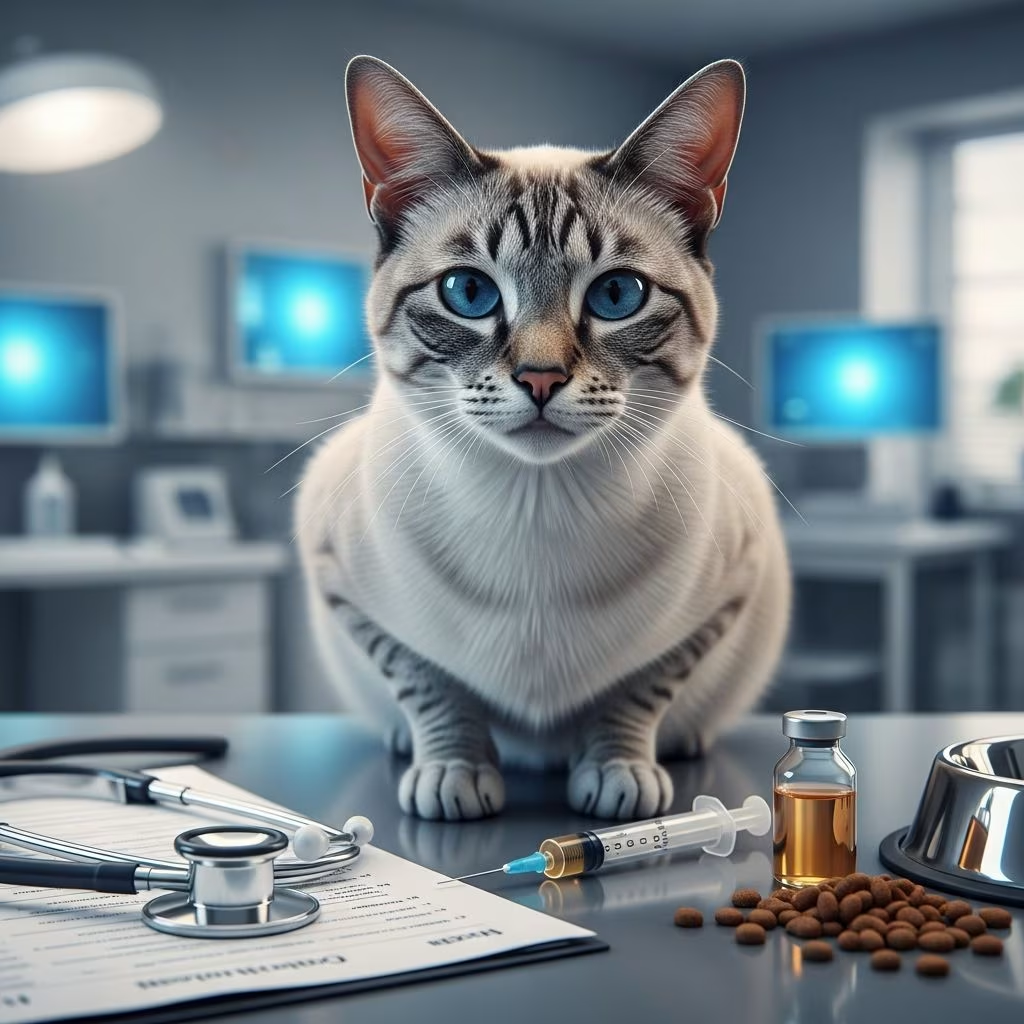
Metabolic disorders in cats disrupt the body’s ability to process energy, nutrients, and waste, leading to serious health challenges. These conditions range from hormonal imbalances to enzyme deficiencies and organ failures, often requiring prompt veterinary care for management.
Understanding Feline Metabolism
A cat’s metabolism involves complex biochemical processes that convert food into energy, maintain organ function, and regulate hormones. When these pathways falter, disorders emerge, impacting everything from weight to organ health. Cats, as obligate carnivores, have unique metabolic needs, making them susceptible to specific issues like taurine deficiency or rapid glucose fluctuations.
Key metabolic functions include glucose regulation, calcium balance, and thyroid hormone production. Disruptions can stem from genetics, diet, age, or environment, emphasizing the need for balanced nutrition and regular check-ups.
Common Types of Metabolic Disorders in Cats
Several prevalent conditions define feline metabolic health challenges. Here’s an overview:
- Hyperthyroidism: Overactive thyroid glands accelerate metabolism, causing weight loss despite increased appetite.
- Diabetes Mellitus: Insulin deficiency or resistance prevents proper glucose use, leading to high blood sugar.
- Chronic Kidney Disease (CKD): Impaired waste filtration results in toxin buildup, common in senior cats.
- Hypoglycemia and Hypocalcemia: Low blood sugar or calcium levels from depleted reserves or high demands like lactation.
- Enzyme Deficiencies: Genetic lacks in enzymes hinder substance breakdown, causing accumulation and toxicity.
Genetic and Inherited Metabolic Conditions
Certain breeds face higher risks due to inherited enzyme defects. For instance, Siamese and Persian cats may develop mucopolysaccharidoses or mannosidosis, where lysosomes fail to degrade complex molecules, leading to tissue damage. Porphyria in Domestic Shorthairs causes anemia from heme synthesis issues.
These lysosomal storage diseases manifest as poor growth, neurological signs, and organ dysfunction. Genetic testing can identify carriers, aiding breeding decisions. Early detection through symptoms like tremors or poor coat condition is crucial.
Breeds at Risk Table
| Disorder | Affected Breeds | Main Symptoms |
|---|---|---|
| Mannosidosis | Persian, Domestic | Neurological issues, tremors |
| Mucopolysaccharidosis I | Domestic Shorthair, Siamese | Skeletal deformities, eye problems |
| Mucopolysaccharidosis IV | Siamese | Bone abnormalities, growth failure |
| Sphingomyelinosis | Domestic Shorthair, Siamese | Muscle weakness, incoordination |
This table highlights breed predispositions, underscoring the importance of pedigree awareness.
Causes Behind Metabolic Imbalances
Triggers vary widely. Genetic mutations top the list for inherited cases, altering enzyme production. Nutritional shortfalls, like vitamin or mineral gaps, impair enzyme activation. Organ diseases, including liver failure or pancreatitis, reduce enzyme synthesis.
Toxins, infections, and chronic inflammation (e.g., IBD) further disrupt metabolism. Obesity fuels type 2 diabetes by insulin resistance. Aging heightens CKD risk, with renal disease causing over 13% of deaths in cats over 5 years.
Recognizing Warning Signs
Early detection improves outcomes. Watch for:
- Weight loss or gain despite stable diet
- Increased thirst/urination (polydipsia/polyuria)
- Lethargy, weakness, or poor growth
- Vomiting, diarrhea, or appetite changes
- Neurological signs: tremors, seizures, incoordination
- Poor coat, dehydration, or muscle spasms
Hyperthyroid cats show voracious hunger yet emaciation; diabetics may hunch or miss litter boxes. CKD presents with nausea and anemia. Enzyme deficiencies cause GI upset and organ failure.
Diagnostic Approaches
Vets use blood tests for glucose, thyroid hormones (T4), kidney markers (BUN, creatinine), and calcium levels. Urinalysis detects glucose or dilute urine. Imaging like ultrasound assesses organs; genetic tests confirm inherited issues.
For CKD, staging relies on IRIS guidelines via bloodwork and protein loss metrics. Hyperthyroidism diagnosis involves elevated T4 with clinical correlation.
Treatment Strategies
Management tailors to the disorder:
- Dietary Changes: Prescription foods for diabetes (low-carb), CKD (low-protein/phosphorus), or hyperthyroidism (iodine-restricted).
- Medications: Methimazole for hyperthyroidism; insulin injections for diabetes. Supportive drugs like anti-nausea or pain relievers (e.g., Meloxicam).
- Advanced Therapies: Radioactive iodine for thyroid ablation; enzyme supplements or replacements.
- Supportive Care: Fluids for hydration, monitoring for complications like ketoacidosis.
Many cats achieve remission or stable management, extending quality life years.
Treatment Comparison Table
| Disorder | Primary Treatment | Prognosis |
|---|---|---|
| Hyperthyroidism | Medication, I-131, diet | Excellent with treatment |
| Diabetes | Insulin, diet, weight control | Good; remission possible |
| CKD | Diet, fluids, meds | Manageable for years |
| Enzyme Deficiency | Supplements, diet | Varies by type |
Prevention and Home Management
Proactive steps mitigate risks:
- Feed high-quality, balanced diets per vet advice.
- Maintain ideal weight to prevent diabetes.
- Annual senior bloodwork for early detection.
- Avoid toxins: secure chemicals, plants.
- Genetic screening for breeders.
Monitor daily: track weight, water intake, litter use. Prompt vet visits for changes ensure timely intervention.
Living with a Cat with Metabolic Issues
Cats adapt well with routine. Insulin administration becomes second nature; pill pockets aid meds. Subcutaneous fluids at home manage CKD. Emotional support via play maintains well-being.
Owners report strong bonds post-diagnosis, with treated cats enjoying extended, happy lives. Collaborate with vets for tailored plans.
Frequently Asked Questions (FAQs)
What causes sudden weight loss in my cat?
Often hyperthyroidism or diabetes; vet bloodwork confirms.
Can metabolic disorders be cured?
Some like diabetes enter remission; others like CKD are managed lifelong.
Is kidney disease always fatal in cats?
No, many live years comfortably with treatment.
How do I prevent diabetes in my overweight cat?
Weight loss via diet/exercise; monitor glucose.
Are certain breeds more prone?
Yes, e.g., Siamese for storage diseases.
(Word count: 1678)
References
- Metabolic Enzyme Deficiency in Cats: Causes, Symptoms, and Treatment — PetCareRx. 2023. https://www.petcarerx.com/article/metabolic-enzyme-deficiency-in-cats-causes-symptoms-and-treatment/6928
- How to spot metabolic diseases in cats — Fetch Pet Insurance. 2024-02-01. https://www.fetchpet.com/canada/the-dig/metabolic-disease-in-cats
- Disorders of Calcium Metabolism in Cats — MSD Veterinary Manual. 2025. https://www.msdvetmanual.com/cat-owners/metabolic-disorders-of-cats/disorders-of-calcium-metabolism-in-cats
- Introduction to Metabolic Disorders of Cats — Merck Veterinary Manual. 2025. https://www.merckvetmanual.com/cat-owners/metabolic-disorders-of-cats/introduction-to-metabolic-disorders-of-cats
- ISFM Consensus Guidelines on the Diagnosis and Management of… — PMC (NIH). 2024-05-15. https://pmc.ncbi.nlm.nih.gov/articles/PMC11148907/



