

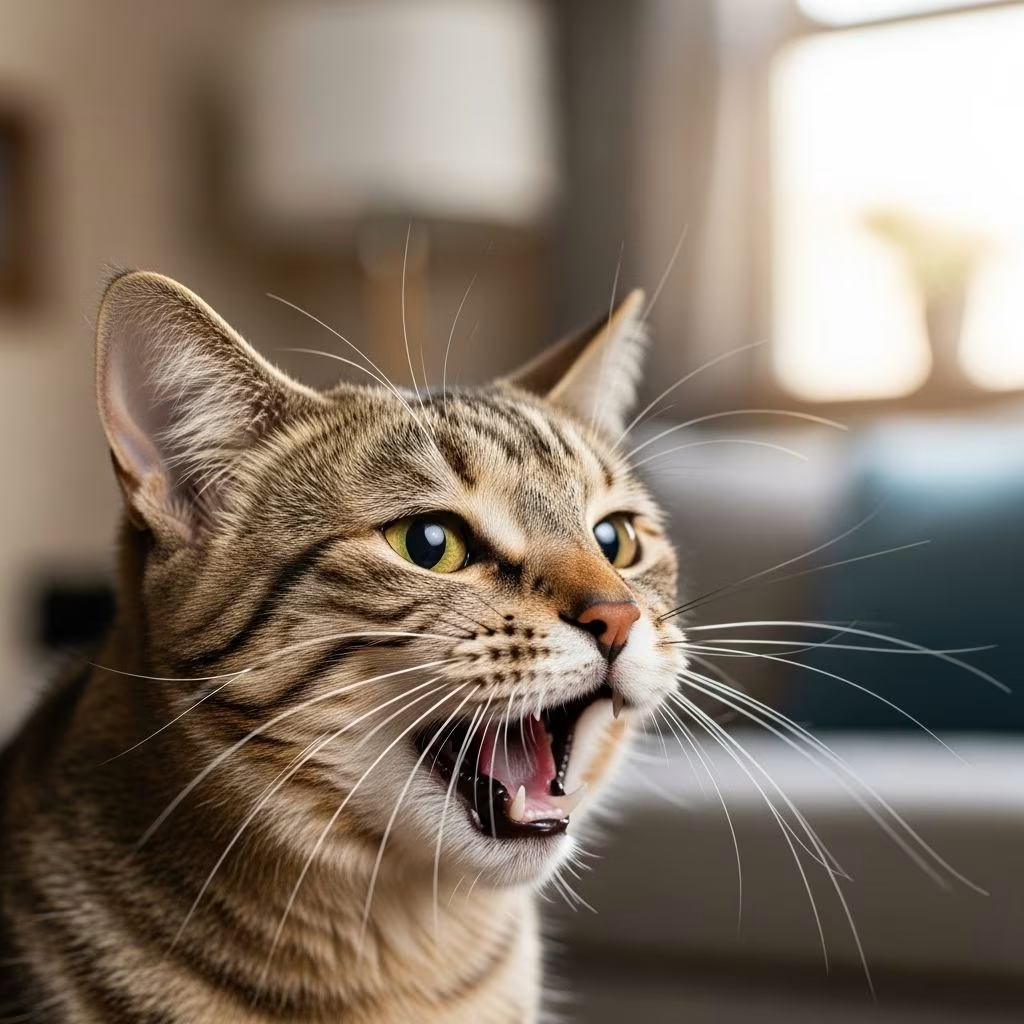
Excessive meowing in cats often signals unmet needs, health problems, or environmental stressors. Understanding the root cause allows owners to implement targeted solutions, restoring quiet and comfort for both cat and household.
Decoding Feline Vocalizations
Cats meow primarily to communicate with humans, unlike their interactions with other cats where body language dominates. Persistent or loud meowing deviates from normal patterns and warrants attention. It can range from soft chirps to insistent yowls, each potentially indicating different issues. Veterinary sources emphasize ruling out medical causes first before addressing behavioral ones.
Normal meowing occurs during greetings, feeding requests, or play invitations. When it becomes frequent, especially at night or without clear triggers, it points to underlying problems. Factors like breed—such as Siamese known for chattiness—play a role, but sudden changes demand investigation.
Health-Related Triggers for Constant Meowing
Medical conditions top the list of reasons cats vocalize excessively. Pain from arthritis, dental disease, or injuries prompts cries for help. Cats hide discomfort well, so increased meowing serves as an alarm.
- Hyperthyroidism: Common in seniors, causing restlessness and vocal demands, especially at night.
- Kidney disease: Leads to thirst and hunger signals through meows.
- Urinary issues: Blockages cause urgent, pained yowling.
Neurological problems, including brain tumors or cognitive dysfunction syndrome (CDS), result in disorientation and nighttime calling. Sensory losses like deafness or vision decline amplify volume as cats compensate for uncertainty. A vet exam with bloodwork and urinalysis is essential to diagnose these.
Nutritional and Hydration Needs
Hunger or thirst drives many meowing episodes. Cats may beg persistently near kitchens, even post-feeding, due to learned habits or dietary shortfalls. Insufficient water intake exacerbates this, particularly in dry-food diets.
Solutions include scheduled feedings and ignoring vocal demands until quiet. Automatic feeders prevent overfeeding while maintaining routine. Fresh water fountains encourage drinking, reducing thirst-related complaints.
| Issue | Signs | Solution |
|---|---|---|
| Hunger | Meowing at mealtimes or kitchen entry | Fixed feeding schedule; ignore begging |
| Thirst | Increased vocalization near water; dry gums | Water fountain; multiple bowls |
| Obesity risk | Constant food demands | Portion control; high-protein diet |
Stress and Environmental Factors
Changes in routine—new pets, moves, visitors, or loud noises—spark anxiety, leading to louder, more frequent meows. Indoor cats viewing outdoor activity or multi-cat households with territorial disputes amplify this.
Boredom affects solitary home-alone cats, prompting attention-seeking vocalizations upon return. Nighttime activity peaks in crepuscular cats, mistimed with human sleep.
- Enrich environment with cat trees, interactive toys, and scratching posts.
- Use pheromone diffusers for calming effects.
- Introduce changes gradually with scent swapping for new pets.
Attention-Seeking and Learned Behaviors
Cats quickly learn meowing yields results like pets or treats. Reinforcing this creates a cycle. Random play sessions when quiet break the pattern.
Ignore vocal demands; reward silence with affection. This retrains behavior without punishment, preserving the human-cat bond.
Hormonal Influences in Intact Cats
Unspayed females in heat yowl loudly, rubbing and becoming affectionate. Intact males respond similarly, marking territory vocally. Spaying or neutering eliminates these cycles, reducing noise dramatically.
Early sterilization prevents health risks and curbs wandering, benefiting overall behavior.
Age-Specific Vocal Changes
Senior cats over 10 years often develop CDS, mimicking dementia with confused nighttime meowing. Low light worsens disorientation; nightlights and ramps aid navigation.
Twice-yearly vet checks monitor age-related decline. Supplements or medications manage symptoms.
Practical Strategies to Reduce Meowing
Combine approaches based on cause:
- Vet check: First step for sudden onset.
- Enrichment: Daily play, toys, vertical space.
- Routine: Consistent meals, litter, sleep times.
- Ignore selectively: No response to vocal attention bids.
- Calming aids: Pheromones, anxiety wraps.
For nighttime issues, tire cats with evening play and block window stimuli.
When to Seek Professional Help
Consult a vet if meowing accompanies lethargy, appetite loss, litter avoidance, or aggression. Behavioralists help persistent cases post-medical clearance.
FAQs
Why does my cat meow at night?
Night meowing stems from hunger, boredom, CDS in seniors, or crepuscular instincts. Day enrichment and routines help.
How do I stop attention-seeking meows?
Reward quiet moments with play; ignore vocalizations to extinguish the behavior.
Is excessive meowing always a health issue?
No, but rule it out first, especially with changes. Behavioral causes follow.
Do breeds meow more?
Yes, vocal breeds like Siamese naturally chatter more, but excess still needs checking.
Can stress cause constant meowing?
Absolutely; environmental shifts trigger anxiety vocalizations. Stabilize routines and enrich spaces.
References
- Excessive Meowing In Cats Explained (Causes And Solutions) — cats.com. 2023. https://cats.com/cat-excessive-meowing
- Why does my cat meow so much? 7 Causes and solutions — Riverwood Pet Food. 2023. https://www.riverwoodpetfood.com/en/blogs/why-does-my-cat-meow-so-much-7-causes-and-solutions
- Why Is My Cat Meowing So Much? Exploring Excessive Vocalization In Cats — Bayview Animal Hospital. 2024. https://bayviewpets.com/why-is-my-cat-meowing-so-much-exploring-excessive-vocalization-in-cats/
- Cat Meowing at Night? 6 Tips to Stop the Noise — Lady N Pet. 2024. https://ladynpet.com/us/blog/cat-meowing-at-night/
- Meowing and Yowling — ASPCA. 2023. https://www.aspca.org/pet-care/cat-care/common-cat-behavior-issues/meowing-and-yowling
- Why Is My Cat Meowing So Much? — PetMD. 2024. https://www.petmd.com/cat/behavior/cat-meowing



