
Cat Matting: Grooming Guide
Master the art of preventing and removing mats from your cat's fur for a healthier, happier pet.
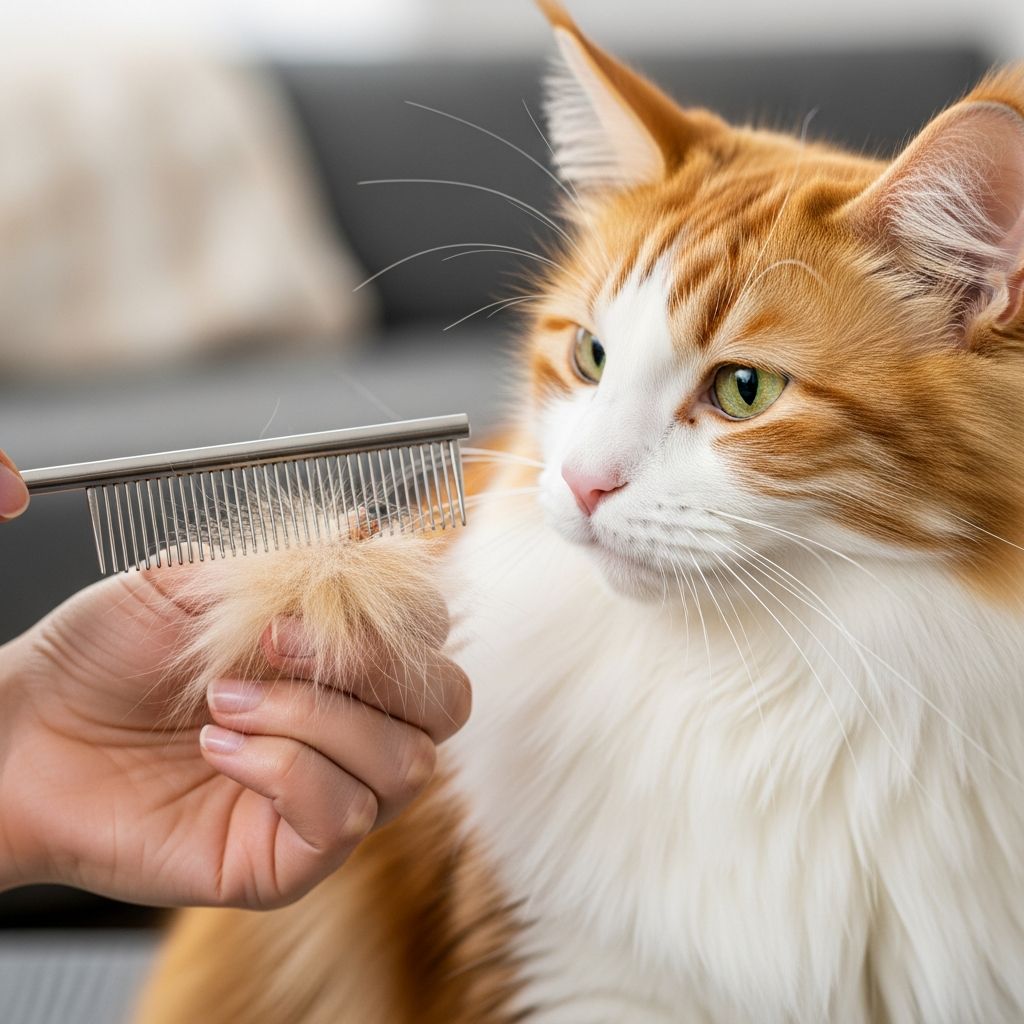
Cat matting occurs when loose fur, debris, and skin oils tangle into tight knots, often causing discomfort or skin issues if ignored. Regular grooming prevents this common problem, especially in long-haired breeds.
Understanding Fur Matting in Cats
Mats form when individual hairs twist together due to friction from movement, inadequate self-grooming, or environmental factors. Long-haired cats like Persians and Maine Coons face higher risks because their dense coats trap loose undercoat hair more easily. Areas such as the belly, armpits, hind legs, and behind the ears are hotspots for tangles, as they accumulate oils and shed fur quickly.
Health issues can exacerbate matting. Cats with obesity, arthritis, or dental pain may groom less effectively, allowing knots to develop. Poor diet leading to dry skin or excessive shedding also contributes, making fur prone to clumping. In humid climates, moisture in the air worsens tangling by weighing down strands.
Health Risks of Untreated Mats
Beyond aesthetics, mats pull on the skin, causing pain, irritation, or infections. Severe cases hide wounds, parasites, or abscesses, delaying treatment. Chronic matting signals underlying problems like allergies or hyperthyroidism, warranting a vet visit.
- Pain from skin tugging during movement.
- Skin infections under dense knots.
- Reduced grooming leading to obesity or flea infestations.
- Indicator of systemic illness in senior cats.
Prevention Strategies for a Tangle-Free Coat
Proactive grooming is the cornerstone of prevention. Consistency removes loose fur before it binds, distributes natural oils, and stimulates skin health.
Establish a Brushing Routine
Tailor frequency to coat type: short-haired cats need weekly sessions, while long-haired ones require daily brushing. Use a slicker brush for surface loose hair and a wide-toothed comb to reach the undercoat, ensuring bristles penetrate to the skin.
| Coat Type | Brushing Frequency | Recommended Tools |
|---|---|---|
| Short-haired | 1-2 times weekly | Slicker brush, rubber curry |
| Long-haired | Daily | Slicker brush, detangling comb, de-shedding rake |
| Senior or obese | Every 2-3 days | Soft-bristle brush, grooming glove |
Focus on vulnerable zones: gently part fur on the belly and legs, combing outward from the skin. Reward calm behavior with treats to build positive associations.
Support Coat Health Internally
A nutrient-rich diet with omega-3 fatty acids promotes shiny, resilient fur less prone to tangles. Ensure hydration and consider vet-recommended supplements for dry skin. Regular baths with cat-safe shampoos (every 4-6 weeks) remove buildup without stripping oils.
Safe Techniques for Removing Existing Mats
Early detection allows home management, but severe mats demand professional intervention to avoid injury.
Home Detangling Methods
Isolate the mat by separating surrounding fur. Spray a pet-safe detangler (cat-formulated only) and let it soak for 5-10 minutes. Work from the edges inward with a detangling comb, holding the base to prevent pulling skin.
- Never use scissors: they risk cutting skin, especially if wounds lurk underneath.
- Avoid olive oil: it adds grease, worsening tangles and attracting dirt. (Note: Some anecdotal methods suggest it, but veterinary sources advise against.)
- For stubborn knots, clippers with a guard comb are safer for experienced owners.
Session duration: 10-15 minutes max to avoid stress. If your cat resists, stop and consult a groomer.
Professional Grooming Options
Groomers use specialized clippers for pain-free mat removal, often shaving patches or styling with a ‘lion cut’ (body shave, pompoms on legs and tail) for long-haired breeds. This reduces future matting while maintaining dignity. Frequency: every 6-8 weeks for prone cats.
Choosing the Right Grooming Tools
Invest in quality to make sessions effective and gentle.
- Slicker Brush: Removes loose topcoat; ideal starter tool.
- Detangling Comb: Wide teeth for knots, narrow for finishing.
- De-shedding Rake: Pulls undercoat without damaging guard hairs.
- Grooming Sprays: Conditioners that lubricate tangles; always cat-safe and rinse if required.
- Clippers: Quiet, cordless models with #10 blade for mats.
Store tools clean and dry. Replace worn ones annually for safety.
Special Considerations for Different Cats
Breeds Prone to Matting
Persians need daily comb-outs; Maine Coons benefit from rakes. Exotic shorthairs still require weekly attention despite shorter fur.
Senior and Health-Challenged Cats
Arthritic cats may need grooming gloves for gentle massages. Obese felines require support during brushing to access belly. Monitor for signs of pain or illness prompting poor grooming.
Building Positive Grooming Habits
Start kittens early with short, playful sessions. Use pheromone sprays or treats to associate tools with rewards. For fearful cats, try Fear Free techniques: dim lights, soft music, and gradual desensitization.
When to Seek Veterinary Help
If mats recur despite grooming, or if accompanied by hair loss, scabs, or lethargy, see a vet. Blood tests can uncover thyroid issues or allergies. Never force removal on painful areas.
Frequently Asked Questions (FAQs)
Can I bathe my cat to remove mats?
Bathing loosens some tangles but doesn’t dissolve tight knots. Use warm water, cat shampoo, and follow with combing. Frequency: monthly max.
How often should long-haired cats see a groomer?
Every 4-8 weeks, plus daily home brushing.
Is matting a sign of neglect?
Often, but also health-related. Consistent care prevents it.
What if my cat hates brushing?
Use gloves, short sessions, and high-value treats. Professional help for severe aversion.
Do de-matting sprays work on severe mats?
Only mild ones; pros handle the rest.
Long-Term Coat Maintenance Plan
Combine daily brushing, bi-weekly baths, monthly professional checks, and annual vet skin exams. Track progress with photos. Adjust for seasons: more brushing during shedding periods.
With dedication, your cat enjoys a luxurious, mat-free coat, reducing vet bills and boosting well-being.
References
- Matting in Cats: Causes, Prevention, and Grooming Solutions — Alex the Cat Groomer. 2023. https://alexthecatgroomer.com/matting-in-cats-causes-prevention-and-grooming-solutions/
- Pet Grooming: How to Handle Matting in Dogs and Cats — PetMD. 2024. https://www.petmd.com/dog/grooming/pet-grooming-how-handle-matting-dogs-and-cats
- Matted Cat Fur Solutions and Tips for Preventing Future Tangles — Homes Alive Pets. 2023. https://blog.homesalive.ca/cat-blog/matted-cat-fur
- Oiling Point Of Fur Mats (Using Olive Oil To Remove Clumps Of Fur) — Kari Kells. 2017. https://www.karikells.com/Petsitter/2017/olive-oil-to-remove-matted-fur/
Similar Articles








Read full bio of Sneha Tete




