

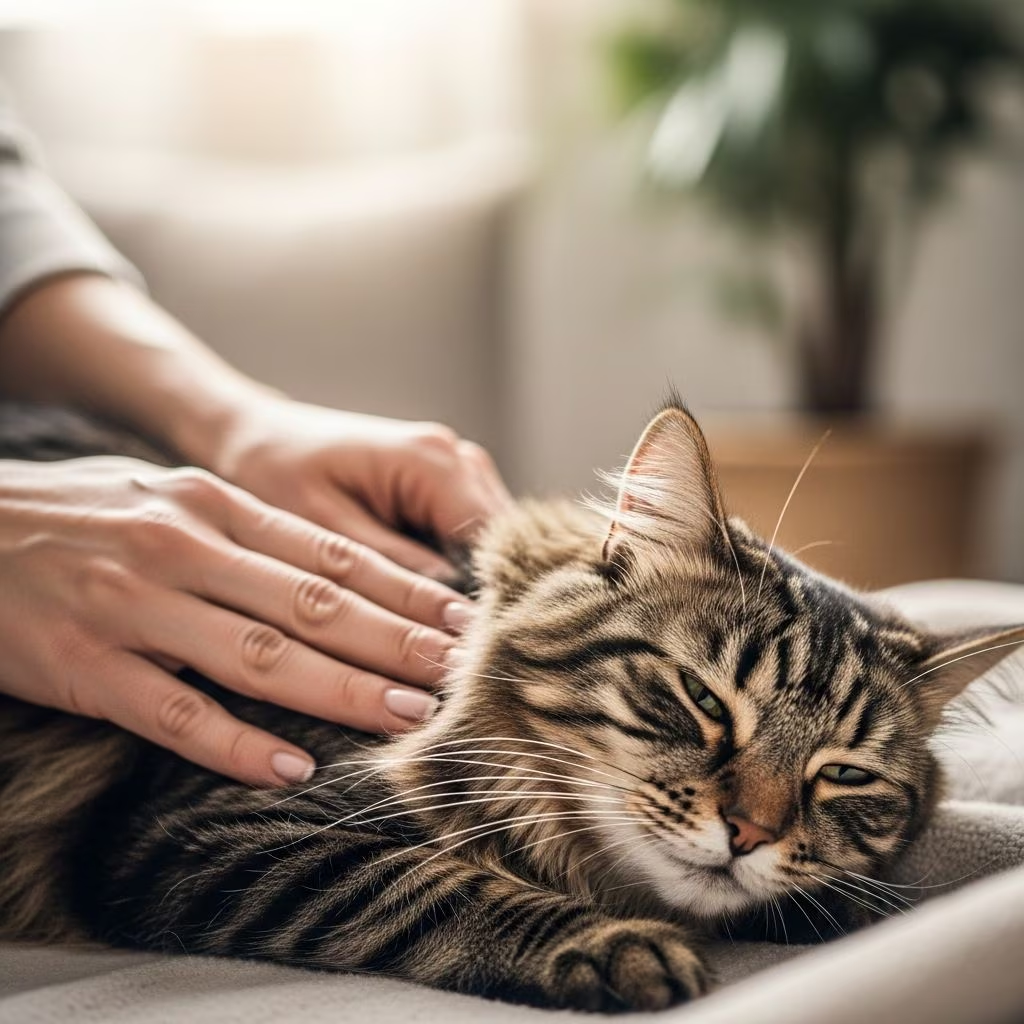
Cat massage therapy involves gentle, purposeful touch to promote physical and emotional health in felines. This practice enhances circulation, eases muscle tension, and fosters deeper bonds between cats and owners.
Understanding Feline Massage Fundamentals
Massage for cats adapts human techniques to suit their sensitive bodies and preferences. It works through mechanical stretching of muscles, physiological improvements in blood flow, and psychological calming effects. Owners can perform basic sessions at home after learning proper methods, always observing the cat’s responses for comfort.
Key principles include starting slow, using light pressure, and following the cat’s fur direction. Sessions typically last 10-15 minutes to avoid overstimulation. This therapy suits all ages, particularly seniors or those recovering from injuries.
Key Advantages for Your Cat’s Health
Regular massage delivers multiple benefits, supported by veterinary insights. It increases blood and lymphatic circulation, delivering nutrients to muscles while removing toxins.
- Circulation Boost: Enhances oxygen delivery and waste removal, vital for active or aging cats.
- Pain Management: Loosens tight muscles, reduces inflammation, and may trigger endorphin release for natural relief.
- Stress Reduction: Mimics maternal grooming, lowering anxiety in shelter or multi-pet households.
- Flexibility Improvement: Stretches tissues, countering scar tissue rigidity post-surgery.
- Immune Support: Strengthens defenses against infections via better lymphatic flow.
- Digestion Aid: Gentle abdominal strokes promote gut motility and nutrient uptake.
Studies on animal therapy note faster recovery times and heightened overall wellness from consistent sessions.
Essential Techniques for Beginners
Master these core methods progressively. Always warm up with light touch and stop if the cat shows discomfort like tail flicking or ear flattening.
1. Gentle Stroking
Begin with full-hand strokes from head to tail. Apply light pressure along the spine, following fur growth. This relaxes the nervous system and builds trust. Repeat 5-10 times per session.
2. Gliding Effleurage
Use palm-wide glides with medium pressure toward the heart. Focus on sides and limbs to warm muscles and improve flow. Ideal for initial circulation enhancement.
3. Kneading Petrissage
Gently lift and roll skin-muscle layers between fingers. Target shoulders and upper back to release spasms. Avoid bony areas; this deepens relaxation for sedentary cats.
4. Pinching Skin Rolls
Lightly pinch and roll loose skin along the back. This stimulates superficial circulation without deep intrusion, benefiting fluffy or overweight cats.
5. Rhythmic Tapping
Tap lightly with curved fingertips or palm edges along major muscles. This energizes without overwhelming, perfect for ending sessions on an uplifting note.
| Technique | Pressure Level | Primary Benefit | Best Areas |
|---|---|---|---|
| Stroking | Light | Relaxation | Head to tail |
| Effleurage | Medium | Circulation | Sides, limbs |
| Petrissage | Medium-Deep | Tension relief | Shoulders, back |
| Skin Rolls | Light | Skin health | Back flanks |
| Tapping | Light | Stimulation | Large muscles |
Area-Specific Massage Approaches
Head and Neck Relief
Circle thumbs gently around jaw and behind ears. This eases tension from chewing or stress, promoting purring responses.
Spinal and Back Flow
Run hands in slow circles from neck to mid-back, skipping lower spine if sensitive. Supports posture and mobility.
Chest and Belly Comfort
Cup the chest lightly, circling toward the center. For relaxed cats, add belly clockwise strokes to aid digestion. Monitor for kicks signaling discomfort.
Limb and Paw Flexing
Gently squeeze legs from body outward, then flex toes. Reduces edema and boosts joint range, especially for arthritic cats.
Ideal Timing and Session Structure
Perform massages in quiet settings when your cat is drowsy, like post-meal or evening. Structure: 2 minutes stroking, 5-7 minutes targeted techniques, 2 minutes cooldown strokes. Frequency: 3-5 times weekly for maintenance, daily for recovery.
Combine with brushing for coat health or post-play for cooldown. Track responses in a journal to refine approaches.
Safety Guidelines and Precautions
Not all cats tolerate touch equally. Contraindications include open wounds, fractures, acute fever, or cancer without vet clearance. Start with 5-minute trials; force nothing.
- Consult vets for chronic issues like arthritis.
- Wash hands; trim nails to prevent scratches.
- Watch body language: Relaxed eyes/blinking mean proceed; tense posture means pause.
Professional therapists use advanced diagnostics, but home practice strengthens bonds safely when done right.
Real-World Applications and Success Stories
Owners report calmer behaviors in anxious cats and improved mobility in seniors. For agility cats, pre-event tapping energizes muscles; post-op stroking aids healing. Shelter programs use it to reduce stress in adoptables.
Frequently Asked Questions
Can kittens receive massages?
Yes, light stroking from weaning age supports growth, but avoid deep pressure until 6 months.
How does massage help obese cats?
It stimulates muscles, encourages movement, and improves lymphatic drainage for weight management.
What’s the difference between petting and therapeutic massage?
Petting is casual; therapy applies structured pressure for health outcomes like circulation gains.
Should I oil my hands for cat massage?
No, plain hands suffice; oils risk ingestion toxicity. Use if vet-recommended for dry skin.
When to stop a session?
At 15 minutes max or first signs of agitation like growling or fleeing.
Enhancing Results with Complementary Care
Pair massage with balanced diet, play, and vet checkups. Hydration aids toxin flush; omega supplements support skin during rolls. Track progress: Better grooming, activity, or appetite signals efficacy.
For advanced needs, seek certified animal massage therapists via veterinary referral.
References
- A Guide to Cat Massages: Techniques, Benefits, and Feline Wellness — Katriscat. 2023. https://katriscat.com/blog/cat-massages-guide/
- The Benefits of Massage Therapy for Cats — PetPlace.com. 2024-01-15. https://www.petplace.com/article/cats/pet-health/massage-therapy-for-cats
- Cat Massage Therapy and Its Benefits, Techniques, and Application — Cats.com. 2025-03-10. https://cats.com/cat-massage-therapy
- Massage Benefits Many Cats — Catwatch Newsletter. 2024. https://www.catwatchnewsletter.com/health/massage-benefits-many-cats/
- When, Why & How to Massage Your Cat — Purina US. 2024-06-20. https://www.purina.com/articles/cat/health/routine-care/cat-massage
- Therapeutic Massage and Your Cat — VCA Animal Hospitals. 2023-11-05. https://vcahospitals.com/know-your-pet/therapeutic-massage-and-your-cat



