

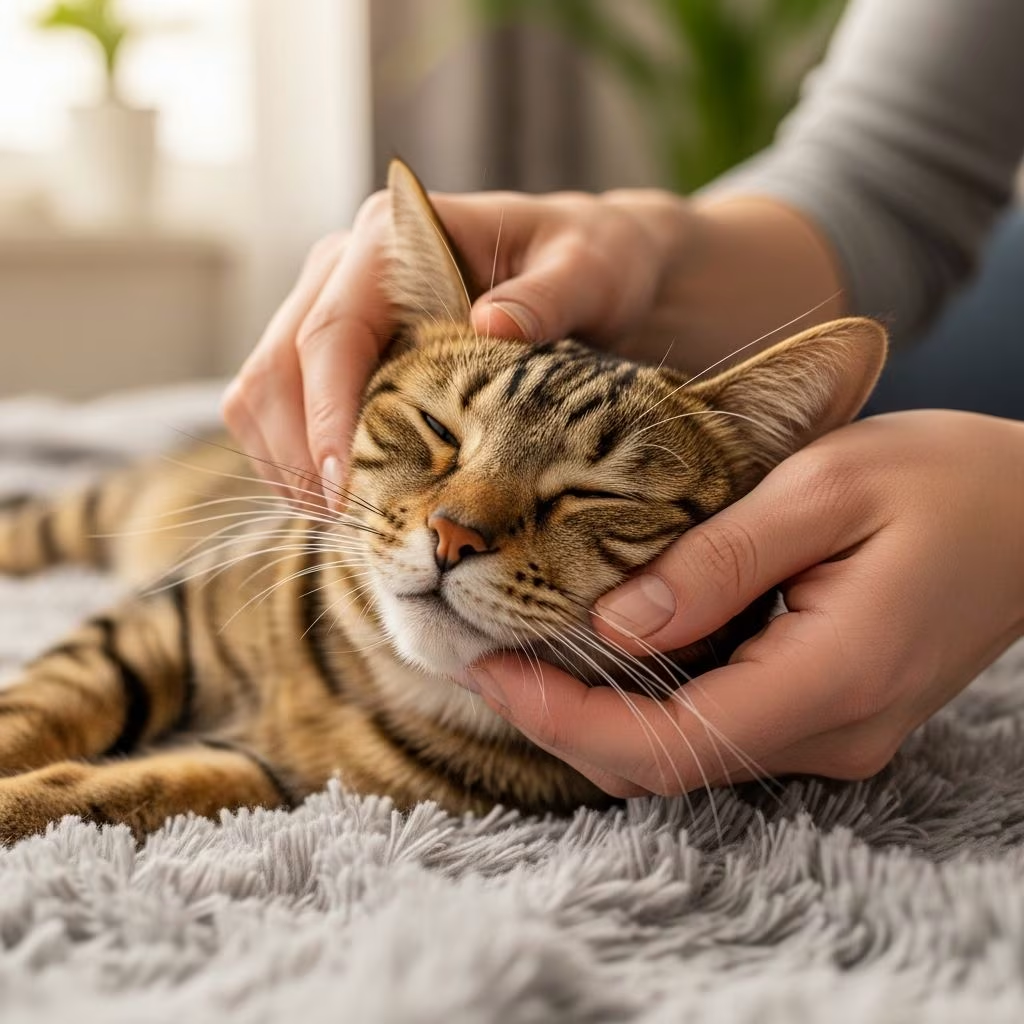
Cat massage offers a gentle way to support your feline companion’s physical and emotional health, promoting relaxation and vitality through targeted touch. This practice draws on principles of therapeutic touch adapted for pets, helping to alleviate tension and enhance overall wellness.
Why Incorporate Massage into Your Cat’s Routine?
Regular massage sessions can transform everyday petting into a therapeutic experience, yielding multiple advantages for your cat’s body and mind. By applying controlled pressure and strokes, you stimulate blood flow, ease muscle stiffness, and encourage a sense of security that deepens your mutual trust.
- Improved Circulation: Gentle manipulations increase blood and lymph movement, delivering oxygen and nutrients while removing waste products from tissues.
- Pain Management: Targeted techniques may trigger endorphin release, natural painkillers that dull discomfort from chronic issues or injuries.
- Stress Reduction: The calming contact lowers cortisol levels, fostering tranquility especially beneficial for anxious or senior cats.
- Digestion Support: Abdominal strokes aid gastrointestinal motility, potentially easing constipation and improving nutrient uptake.
- Immune Boost: Enhanced circulation and relaxation contribute to stronger defenses against illnesses.
These outcomes stem from mechanical stretching of muscles, physiological responses like better oxygenation, and psychological comfort from familiar human interaction.
Essential Benefits Backed by Veterinary Insights
Studies and veterinary observations highlight massage’s role in feline care. For instance, it strengthens connective tissues, diminishes swelling, and promotes deeper sleep cycles, all critical for aging cats or those recovering from activity. Bonding intensifies as your cat associates touch with pleasure, reinforcing positive behaviors.
| Benefit | Physical Effect | Emotional Effect |
|---|---|---|
| Circulation Enhancement | Increased oxygen delivery | Calmness |
| Muscle Relief | Reduced tension | Contentment |
| Pain Alleviation | Endorphin release | Relief |
| Digestive Aid | Better motility | Comfort |
PetMD notes that such therapies can be seamlessly integrated into grooming routines, making them accessible for all cat owners.
Preparing for a Successful Massage Session
Success hinges on creating an optimal environment and gauging your cat’s readiness. Select a quiet, dimly lit space free from distractions, with a soft surface like a blanket or your lap. Ensure your hands are warm and clean, perhaps applying a pet-safe lotion for smoother glides.
- Timing: Opt for post-meal relaxation or evening wind-down when your cat is naturally mellow.
- Duration: Begin with 5-10 minutes, extending as tolerance builds.
- Position: Let your cat choose—lying down, sitting, or standing—to maintain comfort.
- Tools: Use fingertips, palms, or soft brushes for variety; avoid strong scents.
Consult a veterinarian before starting, particularly if your cat has conditions like fractures, infections, or cardiac issues, as massage could exacerbate them.
Mastering Core Massage Techniques
Build proficiency with foundational methods, progressing from light to firmer applications based on feedback. Always follow fur direction to prevent irritation.
1. Introductory Stroking
Initiate with feather-light strokes using finger pads or palms along the head, neck, and flanks. This warms tissues and assesses responsiveness, promoting initial relaxation.
2. Gliding Effleurage
Employ full-hand glides from shoulders to tail base in slow, rhythmic sweeps. This boosts circulation, reduces edema, and transitions into deeper work.
3. Kneading Petrissage
Gently lift and roll skin-muscle layers in overlapping circles, mimicking dough kneading. Ideal for shoulders and back, it clears toxins and detects knots.
4. Percussive Tapotement
Deliver light, alternating taps with cupped hands or fingertips over larger areas. This energizes circulation without overwhelming sensitive felines.
5. Friction Rubs
Apply circular thumb pressure to specific tension spots, gradually increasing intensity. Useful for scar tissue breakdown but monitor for discomfort.
Combine these fluidly: start and end with stroking, sandwiching deeper techniques.
Step-by-Step Guide to a Full-Body Massage
- Head and Face: Circle under chin and cheeks, then stretch ears gently from base to tip. Purring signals approval.
- Neck and Shoulders: Glide downward, kneading blade muscles bilaterally for tension release.
- Back and Sides: Effleurage longitudinally, adding petrissage midway; avoid over lower spine if sensitive.
- Legs and Paws: Stroke limbs lightly, massaging pads in circles to enhance flexibility.
- Abdomen: Clockwise circles with flat palm for digestion, only if tolerated.
- Finish: Full-body effleurage to integrate effects and soothe.
Maintain one-hand contact throughout for reassurance. Sessions of “four magical minutes” can yield noticeable calm.
Decoding Your Cat’s Body Language
Observation is paramount; adjust or halt based on cues. Positive indicators include slow blinks, kneading paws, leaning in, or rumbling purrs. Negative signs—twitching tail, ear flattening, dilated pupils, or evasion—mean stop immediately.
- Enjoyment: Half-closed eyes, body flattening, head-butts.
- Discomfort: Hissing, swatting, rapid retreat.
- Overstimulation: Skin rippling, sudden bites.
Tailored approaches ensure safety and efficacy.
Safety Guidelines and Contraindications
Not all cats suit massage; skip if feverish, post-surgery without clearance, or with skin lesions. Pregnant queens or those with epilepsy require vet approval. Start minimally to build tolerance, never forcing participation.
Advanced Applications for Specific Needs
Senior Cats: Focus on joints with light friction to combat arthritis.
Athletic Cats: Pre/post-activity tapotement for recovery.
Stressed Cats: Emphasize head stroking for serotonin boost.
Integrate with brushing or pheromone diffusers for amplified results.
Frequently Asked Questions
How often should I massage my cat?
2-3 times weekly suffices for most, daily for therapeutic needs; observe tolerance.
Can kittens receive massages?
Yes, gently from weaning, aiding growth and socialization.
What if my cat resists?
Shorten sessions, use treats, or try during sleep; patience builds acceptance.
Does massage replace vet care?
No, it’s complementary; seek professional advice for persistent issues.
Are there products to aid massage?
Pet-safe oils or gloves enhance glide without residue.
Long-Term Wellness Integration
Embed massage into holistic care alongside diet, play, and check-ups. Track improvements in mobility, mood, and coat shine via a journal. This proactive touch not only nurtures physical health but elevates your cat’s quality of life profoundly.
References
- Cat Massage Therapy and Its Benefits, Techniques, and Application — cats.com. 2023. https://cats.com/cat-massage-therapy
- Cat Massage: How to Massage Your Cat at Home — PetMD. 2024-01-15. https://www.petmd.com/general-health/cat-massage-how-to-massage-cat-at-home
- How to Give a Cat Massage — PetCareRx. 2023. https://www.petcarerx.com/article/how-to-give-a-cat-massage/1674
- Therapeutic Massage and Your Cat — VCA Animal Hospitals. 2024. https://vcahospitals.com/know-your-pet/therapeutic-massage-and-your-cat
- Kneading You: Feline Massage — Cat Watch Newsletter. 2022-05-10. https://www.catwatchnewsletter.com/features/kneading-you-feline-massage/



