

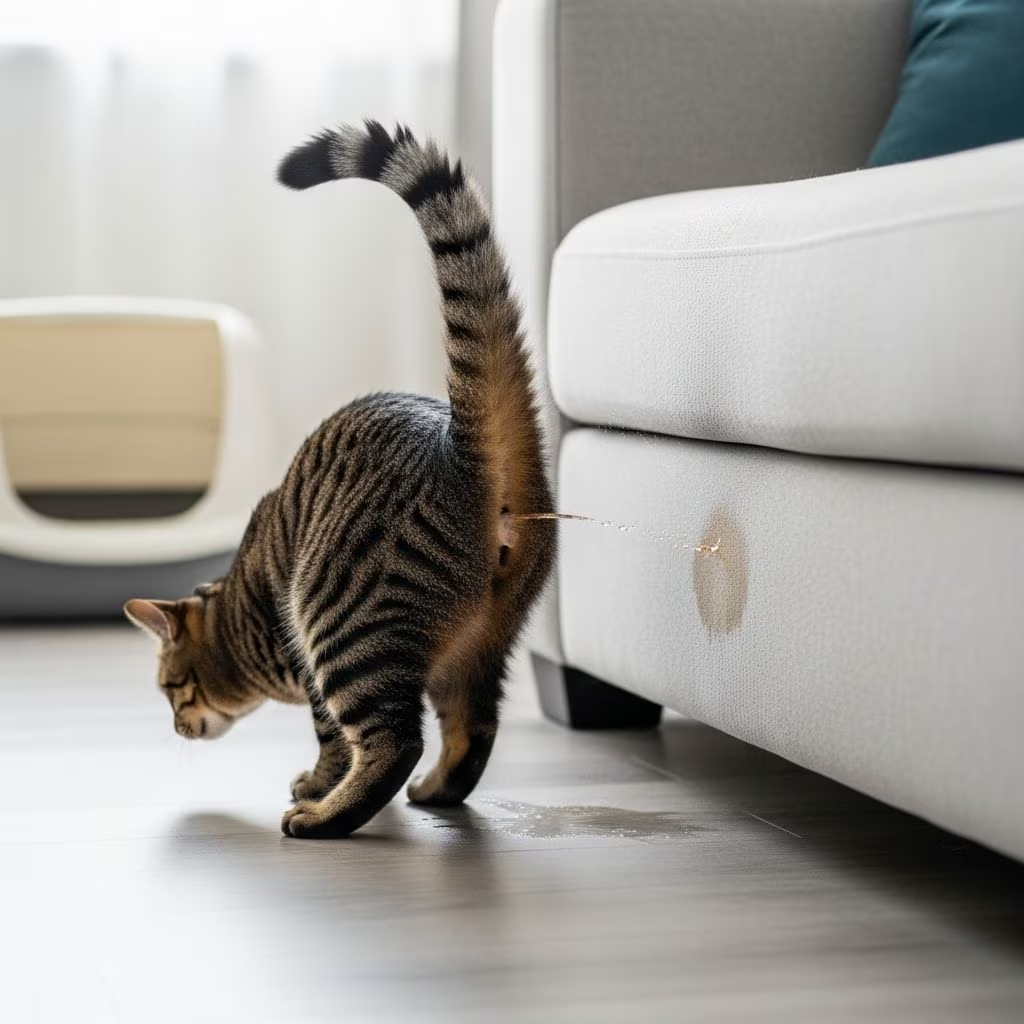
Cats communicate through various marking behaviors to establish territory, signal presence, and reduce stress. These include rubbing, scratching, bunting, and urine spraying, each serving distinct purposes in feline society. Understanding these instincts helps owners address unwanted actions effectively.
What Is Cat Marking Behavior?
Cat marking behavior is a natural instinct where felines deposit scents to claim territory, communicate with others, and feel secure. Cats possess scent glands on their cheeks, paws, flanks, and tail base, releasing pheromones via rubbing, scratching, or spraying urine. This silent messaging system informs other cats about ownership, recent presence, and reproductive status.
Unlike random urination, marking is purposeful. Domestic cats retain wild ancestry behaviors, using marks to navigate shared spaces peacefully. Most marking occurs subtly through head-butts or scratches, but urine spraying draws owner attention due to its odor and mess.
Types of Cat Marking Behaviors
Cats employ multiple marking methods, each targeting different communication needs. Recognizing these distinguishes normal behavior from problems requiring intervention.
Cheek Rubbing and Bunting
The most common marking involves cheek glands. Cats rub faces against furniture, walls, or owners (bunting) to spread pheromones, claiming areas as safe. This affectionate gesture also bonds humans into the cat’s territory. Vertical surfaces receive prominent rubs, reinforcing boundaries.
Scratching
Scratching posts mark via paw pad glands while maintaining claws. Cats select visible spots like door frames to visually and olfactorily signal territory. Indoor cats scratch more due to confined spaces amplifying ownership needs.
Flank and Tail Rubbing
Less frequent, flank glands activate during full-body rubs against legs or corners. Tail base glands contribute during spraying preparation, combining scents for strong messages.
Urine Spraying (Spraying)
Spraying deposits small urine amounts on vertical surfaces. Cats back up, elevate tails (often quivering), and release mist-like sprays. Distinct from box urination, sprays contain pheromones advertising presence, mating availability, or stress. Intact cats spray most, but neutered ones do too under duress.
Fecal Marking (Rare)
Uncommon, some cats deposit feces outside boxes on horizontal surfaces to mark. This signals extreme stress or conflict, warranting immediate veterinary evaluation.
Why Do Cats Mark Their Territory?
Marking fulfills instinctual needs but escalates with triggers. Primary drivers include territorial security, stress responses, and social dynamics.
- Territorial Instinct: Cats are solitary hunters; marking delineates personal space, reducing confrontations.
- Stress and Anxiety: Household changes like moves, new pets, or renovations prompt marking for comfort via familiar scents.
- Inter-Cat Conflict: Indoor rivalries or outdoor intruders cause anxiety-based marking, not aggression.
- Mating Advertisement: Intact cats spray to attract mates, peaking at 5-6 months maturity.
- Medical Issues: Urinary tract infections mimic spraying; rule out health problems first.
Spraying indoors signals high anxiety, often from unseen neighborhood cats viewed through windows.
Urine Spraying vs. Inappropriate Urination
| Aspect | Urine Spraying (Marking) | Inappropriate Urination |
|---|---|---|
| Surface | Vertical (walls, furniture) | Horizontal (floors, bedding) |
| Posture | Standing, tail up, quivering | Squatting |
| Volume | Small amount/mist | Large puddle |
| Odor | Pungent (pheromones) | Normal urine smell |
| Litter Box Use | Continues normal use | Avoids box entirely |
This table clarifies distinctions. Spraying persists alongside box use, indicating communication over elimination needs.
Causes of Cat Spraying and Marking
Spraying stems from environmental, social, and physiological factors. Identifying triggers enables targeted solutions.
- New Additions: Babies, pets, or guests disrupt security, prompting reclaiming via sprays.
- Household Changes: Remodeling or moving furniture erases scents, instigating remarking.
- External Threats: Neighborhood cats visible indoors trigger defensive spraying.
- Multi-Cat Homes: Subtle tensions lead to anxiety marking without overt fights.
- Hormonal Drives: Unneutered cats mark reproductively.
Stress manifests physically; cats spray to self-soothe amid uncertainty.
How to Stop Cat Spraying and Marking
Stopping marking requires addressing roots: medical checks, sterilization, environmental tweaks, and behavior mods. Consistency yields results in weeks.
Step 1: Veterinary Examination
Rule out cystitis, infections, or diabetes mimicking marking. Blood in urine or straining demands urgent care.
Step 2: Spay or Neuter
Sterilization halts 90% of reproductive spraying. Perform before 5-6 months to prevent habits. Neutered cats may continue stress-based marking, needing further steps.
Step 3: Clean Thoroughly
Enzymatic cleaners remove pheromones; regular cleaners leave residues reactivating behavior.
Step 4: Optimize Litter Setup
Provide one box per cat plus one, in quiet spots with escape routes. Scoop daily; use unscented, clumping litter.
Step 5: Reduce Stressors
- Block window views of outsiders with blinds or motion sprinklers.
- Confine access to marked areas; use baby gates.
- Introduce changes gradually with treats/play.
Step 6: Enrich Environment
Vertical spaces, scratching posts, and pheromone diffusers (Feliway) promote security. Play sessions burn anxiety energy.
Step 7: Positive Associations
Feed/play in marked spots post-cleaning; cats avoid eliminating where they eat.
When to See a Vet or Behaviorist
Consult professionals if marking persists post-sterilization/cleaning, accompanies box avoidance, or includes blood/straining. Behaviorists address multi-cat conflicts via desensitization. Fluorescein dye tests identify culprits in group homes.
Prevention Tips for Cat Marking
- Spay/neuter early.
- Maintain multiple clean litter boxes.
- Provide ample scratching surfaces.
- Secure outdoor views.
- Use synthetic pheromones.
- Monitor for household changes.
Proactive measures minimize issues, fostering peaceful coexistence.
Frequently Asked Questions (FAQs)
Why is my neutered cat spraying?
Neutered cats spray from stress, conflicts, or habit. Address triggers via cleaning, environment changes, and pheromone therapy.
How do I clean cat spray urine?
Use enzymatic cleaners to break down pheromones. Avoid ammonia-based products mimicking urine.
Will my cat stop marking after neutering?
Most do, especially pre-maturity. Persistent cases need environmental fixes.
Is cat spraying a sign of illness?
Possibly; vet checks rule out UTIs or kidney issues before behavior solutions.
Can multiple cats live without marking?
Yes, with proper resources, introductions, and space to prevent conflicts.
References
- Understanding Cat’s Marking Behavior — WOpet, Lisa Martinez. 2023-01-30. https://wopet.com/cats/understanding-cats-marking-behavior/
- Urine Marking in Cats — ASPCA. Accessed 2026. https://www.aspca.org/pet-care/cat-care/common-cat-behavior-issues/urine-marking-cats
- Why Do Cats Mark Their Territory And How To Stop Them? — Purina Australia. Accessed 2026. https://www.purina.com.au/cat-marking-territory.html
- Cat Spraying/Marking — Wisconsin Humane Society. Accessed 2026. https://www.wihumane.org/cat-spraying
- Cat Spraying: Why Cats Do It and How to Stop It — PetMD. Accessed 2026. https://www.petmd.com/cat/general-health/cat-spraying-why-cats-do-it-and-how-to-stop-it



