

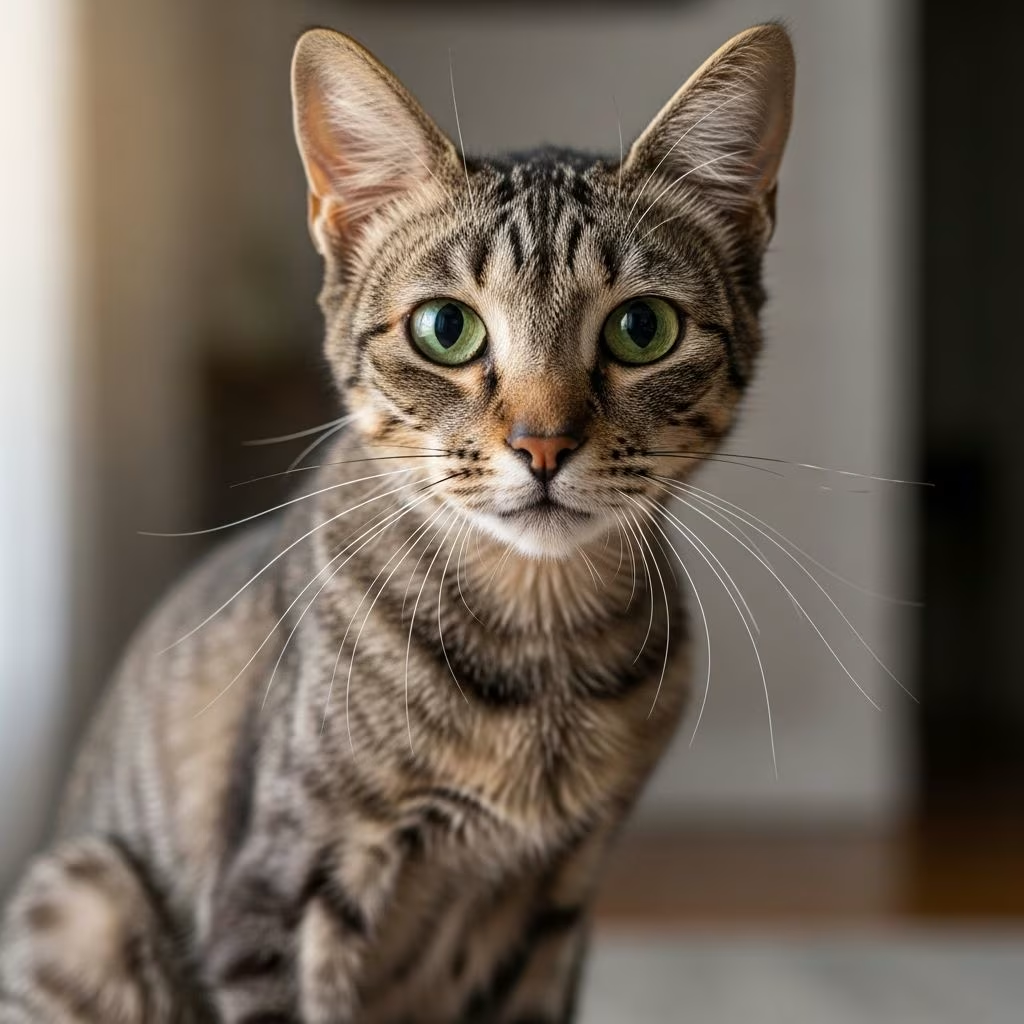
Malnutrition in cats arises when their diet fails to supply essential nutrients, leading to visible and internal health declines. Early detection through observable changes allows timely intervention to prevent severe complications.
Understanding Feline Nutritional Needs
Cats require a precise balance of proteins, fats, vitamins, and minerals tailored to their obligate carnivore physiology. Deficiencies disrupt metabolic functions, immune responses, and organ health, manifesting in various symptoms. High-quality proteins like taurine are irreplaceable, as cats cannot synthesize them efficiently.
Visible Physical Indicators
The most apparent signs appear on a cat’s exterior, signaling nutrient shortages.
- Extreme Weight Reduction: Cats lose fat and muscle rapidly, making bones like ribs and spine protrude under thin skin. A body condition score of 1/5 indicates severe undernourishment.
- Coat Deterioration: Fur turns dull, brittle, patchy, or greasy due to lacks in fatty acids and proteins. Hair loss or color fading often accompanies this.
- Skin Fragility: Skin becomes thin and tears easily, as seen in cases where nutritional support reversed fragility syndromes.
These changes reflect systemic nutrient deficits affecting skin barrier integrity and hair growth cycles .
Internal and Behavioral Warnings
Beyond the surface, internal imbalances produce subtler but critical alerts.
| Symptom Category | Description | Potential Nutrient Link |
|---|---|---|
| Digestive Disruptions | Chronic diarrhea, vomiting, or pica (eating non-foods) | Impaired absorption from protein/fiber imbalance |
| Oral Health Decline | Pale gums, halitosis, tartar accumulation | Vitamin/mineral shortages weakening enamel |
| Energy Slumps | Lethargy, weakness, reduced grooming | Caloric and protein deficits |
Appetite fluctuations, from refusal to excessive hunger for odd items, often stem from nausea or deficiencies mimicking illness .
Root Causes Behind Nutrient Shortfalls
Malnutrition rarely stems from starvation alone; multiple factors converge.
- Dietary Insufficiencies: Low-grade foods heavy in fillers lack vital amino acids like taurine, essential for heart and eye health.
- Medical Barriers: Parasites siphon nutrients; dental pain hinders eating; conditions like hyperthyroidism or kidney disease accelerate loss .
- Environmental Stressors: Multi-cat homes foster food competition; upper respiratory infections block smell-driven appetite .
Even adequate food intake yields poor results if absorption fails due to gastrointestinal disorders.
Diagnostic Approaches for Confirmation
Veterinary evaluation is indispensable to differentiate malnutrition from mimics like cancer or diabetes.
- Physical exam assessing body score, coat, and hydration.
- Blood panels checking anemia, enzyme elevations from muscle waste .
- Imaging for organ fat loss or congenital issues.
- Fecal tests for parasites.
Early diagnostics prevent escalation to hepatic lipidosis, a fat-mobilizing crisis in anorexic cats .
Recovery Nutrition Strategies
Restoring health demands gradual, nutrient-dense feeding post-medical clearance.
- Start with high-moisture wet foods rich in animal proteins for hydration and palatability.
- Incorporate omega-3s for coat repair and antioxidants for immunity.
- Feed small, frequent meals to avoid digestive overload; aim for 1/3 to 1/2 cup daily for 10-pound adults, adjusting upward .
Fresh, human-grade options aid rehydration and absorption, outperforming dry kibble initially. Monitor weight weekly.
Preventive Measures for Long-Term Wellness
Proactive care averts malnutrition risks.
- Choose AAFCO-approved foods meeting cat-specific profiles.
- Regular vet check-ups track body condition.
- Ensure multi-cat equity with separate feeding stations.
- Transition diets slowly over 7-10 days to prevent refusal.
Allergies manifesting as itchiness or scabs signal food sensitivities needing hydrolyzed diets .
Case Studies Highlighting Recovery
A rescued cat with body score 1/5 showed skin fragility from presumed starvation-induced anemia. Nutritional therapy normalized condition over months, with no relapse in 7 years . Such reversals underscore diet’s role when no primary disease exists.
Common Myths Debunked
- Myth: Indoor cats can’t be malnourished. Stress or poor food quality affects them equally.
- Myth: More food fixes it. Quality trumps quantity; overfeeding low-nutrient diets worsens issues.
- Myth: Picky eating is harmless. Prolonged refusal risks fatal liver disease .
Frequently Asked Questions
Can malnourished cats recover completely?
Yes, most achieve full recovery with vet-guided nutrition addressing root causes promptly .
How quickly do symptoms appear?
Weeks to months, depending on deficit severity and cat’s reserves.
Is dry food sufficient for recovery?
Better as wet food supplement; low moisture hinders hydration in compromised cats .
What if my cat eats but looks thin?
Check for parasites or malabsorption; vet diagnostics essential .
Are kittens more vulnerable?
Yes, rapid growth amplifies deficiency impacts; monitor closely.
References
- 10 Malnourished Cat Symptoms: A Caring Owner’s Guide — DogFood.com.my. 2023. https://www.dogfood.com.my/10-malnourished-cat-symptoms-a-caring-owners-guide/
- Suspected malnutrition-induced reversible feline skin fragility syndrome — PMC/NCBI (Peer-reviewed). 2024-02-29. https://pmc.ncbi.nlm.nih.gov/articles/PMC10880391/
- 6 Reasons Why Your Cat Is Not Eating and What To Do — PetMD. 2024. https://www.petmd.com/cat/nutrition/cat-not-eating-what-to-do
- Best Diet for a Malnourished Cat — PetAssure. 2023. https://www.petassure.com/maxscorner/best-diet-for-a-malnourished-cat/
- The Impact of Nutrition on Your Cat’s Health — Highland Park Animal Hospital. 2024. https://www.hpanimalhospital.com/services/cats/feline-nutrition-cat-food



