

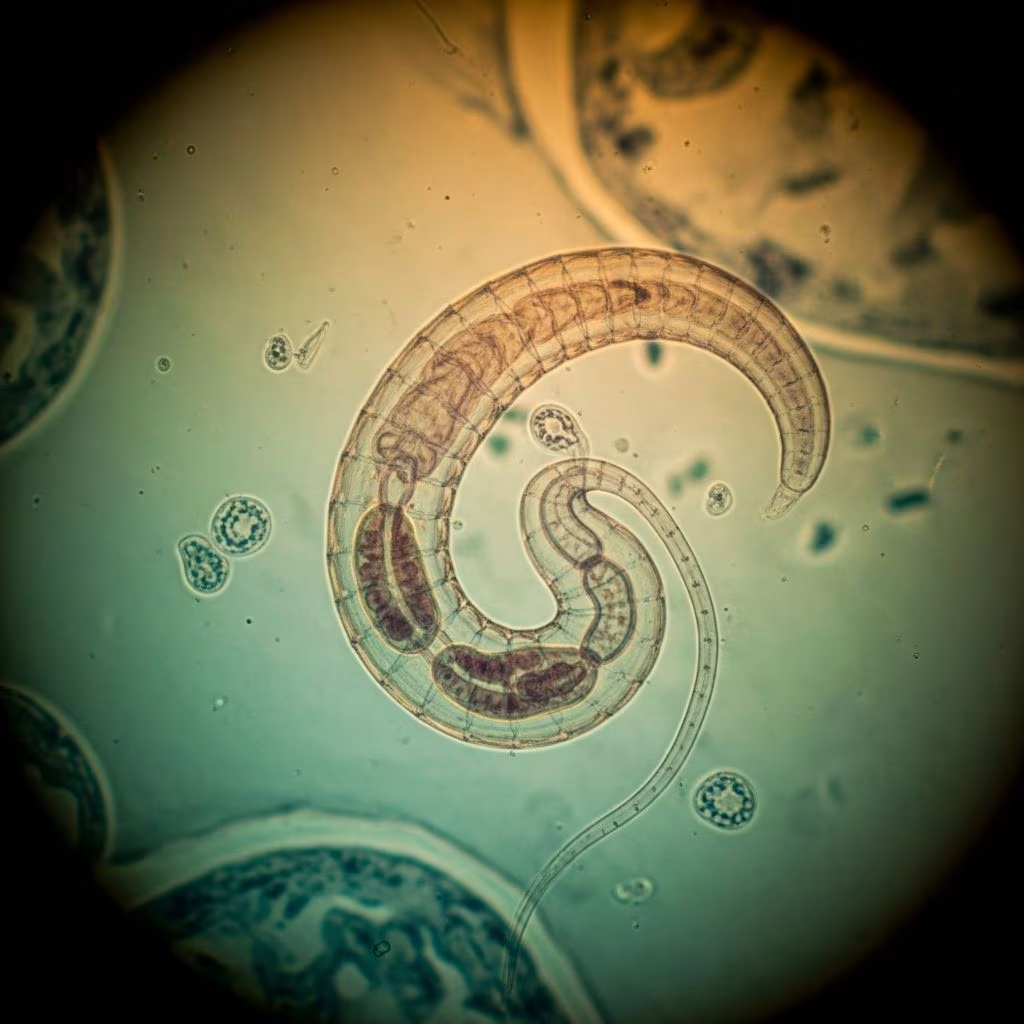
Lungworm infections pose a significant threat to cats, particularly those that roam outdoors or hunt small prey. These parasites reside in the respiratory tract, potentially causing a range of health issues from mild discomfort to severe respiratory distress. Understanding the nuances of this condition empowers cat owners to act swiftly and effectively.
Understanding Feline Lungworm Parasites
Lungworms are nematodes that target the lungs and associated airways in cats. The primary species affecting felines include Aelurostrongylus abstrusus, Troglostrongylus brevior, and Capillaria aerophila. These parasites complete their life cycles through intermediate hosts like snails, slugs, frogs, and birds, which infected cats ingest during hunting.
Once ingested, larvae migrate through the gastrointestinal tract and penetrate the intestinal wall, entering the bloodstream to reach the lungs. There, they mature, mate, and produce eggs that lead to larval shedding in feces, perpetuating the cycle. This migration often triggers inflammation and immune responses, damaging lung tissue over time.
Recognizing Early Warning Signs
Symptoms of lungworm vary based on parasite load, the cat’s age, and immune strength. Many infections remain subclinical, with no obvious signs until routine checks reveal them. However, when present, indicators include:
- Persistent dry or productive coughing, often worsening with activity.
- Labored breathing, rapid respiration, or wheezing.
- Sneezing accompanied by nasal discharge.
- Lethargy, reduced appetite, and unexplained weight loss.
- Fever, enlarged lymph nodes, or ocular discharge in advanced cases.
Kittens and young cats exhibit more pronounced symptoms due to underdeveloped immunity and narrower airways, potentially leading to pneumonia or respiratory failure if unchecked.
Diagnostic Approaches for Accurate Identification
Veterinarians rely on a combination of clinical evaluation and targeted tests. Initial assessment involves a thorough physical exam, focusing on respiratory sounds via auscultation—expect increased vesicular sounds, wheezing, or crackles.
The gold standard for confirmation is the Baermann technique, which detects first-stage larvae (L1) in feces. Multiple samples may be needed due to intermittent shedding. Additional diagnostics include:
| Method | Purpose | Advantages |
|---|---|---|
| Fecal Baermann Test | Larvae detection | High specificity for lungworms |
| Bronchoalveolar Lavage | Larvae/eggs in airways | Direct sampling from lungs |
| Imaging (X-rays/CT) | Lung pathology visualization | Identifies inflammation or nodules |
| Serology/PCR | Antibody/DNA detection | Useful for low-burden infections |
These methods differentiate lungworm from mimics like asthma, viral infections, or heart disease.
Effective Treatment Protocols
Treatment focuses on eradicating parasites, managing inflammation, and addressing complications. Antiparasitic drugs are selected based on the lungworm species and infection severity:
- Fenbendazole: Oral administration over 3-5 days, effective against multiple stages.
- Ivermectin: Injectable or oral, targets migrating larvae.
- Selamectin (Revolution®): Monthly spot-on, kills adults and prevents reinfection.
- Moxidectin/Imidacloprid (Advantage Multi®): Spot-on for broad-spectrum control.
- Emodepside/Praziquantel (Profender®): Topical for gastrointestinal and lung phases.
For secondary bacterial pneumonia, broad-spectrum antibiotics are added, alongside anti-inflammatories or corticosteroids. Severe cases may require hospitalization with oxygen support and fluid therapy. Most cats recover fully within weeks to months, with success rates exceeding 90% when treated promptly.
Prevention Strategies for Long-Term Protection
Preventing lungworm hinges on minimizing exposure and consistent parasite control. Key measures include:
- Discouraging outdoor hunting by keeping cats indoors or supervising access.
- Monthly administration of broad-spectrum preventives like spot-on moxidectin, selamectin, or eprinomectin, which interrupt life cycles and protect against fleas, heartworms, and other worms.
- Environmental management: Remove snails/slugs from yards using barriers or traps.
- Routine fecal testing, especially for multi-cat households or shelters.
Field studies show monthly spot-ons reduce larval shedding dramatically, offering steady-state protection after initial doses.
Risks in Specific Cat Populations
High-risk groups include free-roaming cats, hunters, and those in endemic areas. Shelters and catteries face outbreaks, as seen in a study of 42 sanctuary cats where 24% tested positive, but treatment cleared infections in nearly all. Kittens risk vertical transmission or severe early-onset disease.
Zoonotic potential exists with C. aerophila, though rare in cats; human cases underscore hygiene importance.
FAQs on Cat Lungworm Management
Q: Can indoor cats get lungworm?
A: Yes, via contaminated soil, plants, or intermediate hosts brought indoors.
Q: How long does treatment take?
A: Typically 2-4 weeks, with follow-up tests to confirm clearance.
Q: Are over-the-counter dewormers sufficient?
A: No; vet-prescribed options target lung stages specifically.
Q: What if my cat shows no symptoms?
A: Asymptomatic carriers can spread larvae; regular preventives are advised.
Q: Is lungworm fatal?
A: Rarely, with prompt care; untreated severe cases can lead to respiratory collapse.
Monitoring Your Cat Post-Treatment
After therapy, observe for symptom recurrence and schedule rechecks. Weight monitoring, activity levels, and respiratory rate provide ongoing insights. Integrate lungworm control into annual wellness plans for sustained health.
References
- Lungworm in Cats: Symptoms & Treatments — Purina. Accessed 2026. https://www.purina.com/articles/cat/health/parasites/lungworm-in-cats
- Lungworm Infections in Cats — VCA Animal Hospitals. Accessed 2026. https://vcahospitals.com/know-your-pet/lungworm-infections-in-cats
- Diagnosis and management of lungworm infections in cats — PMC (NCBI). 2024. https://pmc.ncbi.nlm.nih.gov/articles/PMC11148874/
- Best Practices for Lungworm Prevention & Treatment — Clinician’s Brief. Accessed 2026. https://www.cliniciansbrief.com/article/best-practices-lungworm-prevention-treatment
- What to Know About Lungworm in Cats — WebMD. Accessed 2026. https://www.webmd.com/pets/cats/what-to-know-about-lungworm-in-cats
- GUIDELINE for Lungworm disease — ABCD cats & vets. Accessed 2026. https://www.abcdcatsvets.org/guideline-for-lungworm-disease/



