

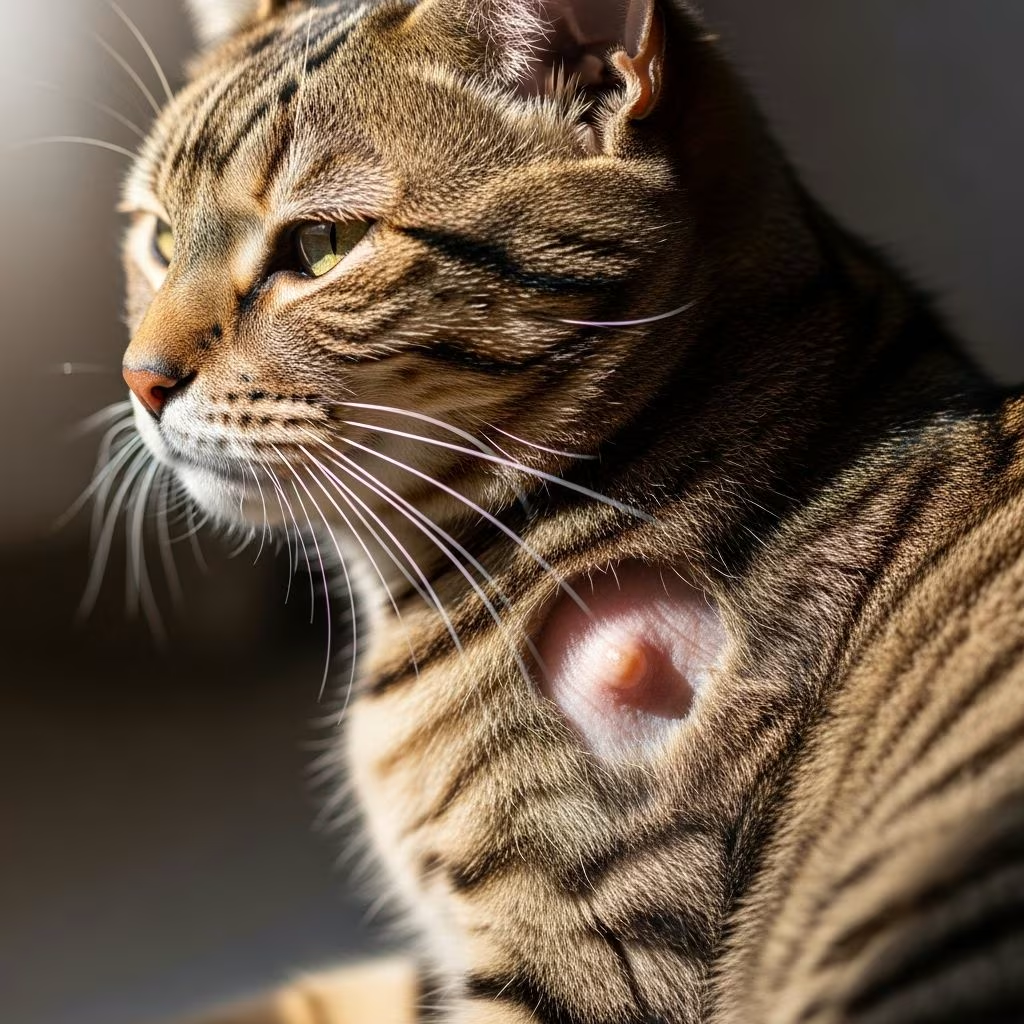
Lumps on a cat’s body can range from minor issues that resolve on their own to serious conditions requiring immediate veterinary intervention. Identifying the cause involves observing size, location, texture, and accompanying symptoms like pain or hair loss. Early detection plays a crucial role in effective management.
Common Benign Causes of Feline Lumps
Many lumps in cats stem from non-cancerous origins, often linked to everyday environmental exposures or minor injuries. These typically present as soft, movable masses that may fluctuate in size.
- Cysts: Fluid-filled sacs from blocked glands or follicles, common on the head, neck, or trunk. They feel squishy and rarely cause discomfort unless infected.
- Skin Tags: Small, fleshy protrusions that grow rapidly but harmlessly, often unnoticed until irritated.
- Horned Paws: Keratin buildups on paw pads resembling small spikes, usually benign and linked to friction.
Benign lumps like these often do not require treatment unless they grow, ulcerate, or interfere with movement. Regular grooming and monitoring help prevent complications.
Infectious and Inflammatory Lumps in Cats
Infections frequently lead to painful, firm swellings, especially in outdoor or multi-cat households. Bacteria enter through bite wounds, causing pus accumulation.
Abscesses: The Most Frequent Culprit
Cat fights result in deep punctures that seal over, trapping bacteria and forming hot, throbbing abscesses. Common sites include the face, tail base, and limbs. A scabbed center with surrounding swelling signals this issue. Drainage, antibiotics, and pain relief are standard treatments.
Pyoderma and Fungal Issues
Bacterial or yeast overgrowth leads to red, pustular bumps, often on the chin from acne-like conditions. Fungal infections create nodular lumps with draining tracts, more common in certain regions. Long-term antifungals may be needed.
| Type | Symptoms | Treatment |
|---|---|---|
| Abscess | Painful, warm, scabbed | Lancing, antibiotics |
| Pyoderma | Red pustules, itching | Topical/oral meds |
| Fungal | Draining nodules | Antifungals |
Parasites and Insect-Related Bumps
External parasites and bites provoke localized reactions. Ticks embed, mimicking lumps, while mosquito or spider bites cause raised welts, particularly on ears and nose.
- Ticks: Firm, dark protrusions; remove professionally to avoid disease transmission.
- Insect Bites: Itchy, red hives that peak in warmer months; preventive topicals reduce risk.
- Fleas/Mites: Cause miliary dermatitis with tiny scabs alongside larger swellings.
Year-round parasite control is essential, especially for indoor-outdoor cats. Bites often self-resolve but warrant monitoring for secondary infections.
Allergic and Immune-Mediated Skin Lumps
Hypersensitivity reactions manifest as hives or granulomas. Eosinophilic granuloma complex (EGC) produces raised, ulcerated plaques on the abdomen, thighs, or mouth, driven by allergies to food, fleas, or environment.
Symptoms include intense itching and hair loss. Steroids and hypoallergenic diets often control flare-ups. Identifying triggers through elimination trials is key.
Trauma-Induced Swellings
Injuries from falls, fights, or accidents create hematomas—blood-filled pockets—or bruises. These appear suddenly, often bruised and tender.
- Hematomas: Soft, fluctuant masses post-trauma; may resolve or require drainage.
- Hernias: Umbilical in kittens or traumatic in adults; fat or organs protrude through muscle gaps.
Urgent care prevents complications like strangulation in hernias.
Malignant Tumors: When Lumps Signal Cancer
Skin tumors are prevalent in older cats, with about half being cancerous. Factors like UV exposure, genetics, and pollutants contribute.
| Tumor Type | Location | Behavior |
|---|---|---|
| Squamous Cell Carcinoma | Ears, nose, lips | Invasive, sun-related |
| Mast Cell Tumor | Head, neck | Can metastasize |
| Fibrosarcoma | Limbs, scapula | Locally aggressive |
| Basal Cell Tumor | Head, neck | Often benign |
Malignant lumps grow steadily, adhere to tissues, and ulcerate. Early biopsy is critical for prognosis.
Evaluating Your Cat’s Lump: Key Signs
Not all lumps demand panic, but certain red flags necessitate prompt vet visits:
- Sudden growth or size over 1 cm.
- Fixed, irregular shape or ulceration.
- Pain, lethargy, appetite loss.
- Multiplicity or rapid changes.
Track with photos and measurements weekly. Age matters—seniors face higher tumor risks.
Veterinary Diagnosis Process
Vets start with history and physical exam, followed by:
- Fine-Needle Aspirate (FNA): Samples cells for cytology.
- Biopsy: Surgical excision for histopathology.
- Imaging: Ultrasound/X-rays for internal involvement.
- Bloodwork: Checks systemic issues.
Non-invasive FNA guides 70-80% of cases initially.
Treatment Approaches by Cause
Tailored plans vary:
- Benign: Observation or surgical removal if bothersome.
- Infectious: Drainage, antibiotics, cleaning.
- Allergic: Antihistamines, steroids, allergen avoidance.
- Cancerous: Surgery, chemo, radiation; prognosis depends on type/stage.
Holistic supports like omega-3s aid skin health but never replace vet care.
Prevention Strategies for Cat Lumps
Minimize risks through:
- Indoor living to avoid fights/parasites.
- Monthly preventives for fleas/ticks.
- Sun protection for light-skinned ears.
- Regular vet checkups, especially post-7 years.
- Balanced diet supporting immune function.
Early spaying/neutering may reduce certain tumor risks.
FAQs on Cat Lumps
Should I squeeze a lump on my cat?
No—risks rupture and infection spread. Let a vet handle it.
How fast do cancerous lumps grow in cats?
Varies; some double in weeks, others slowly over months. Monitor closely.
Can lumps disappear on their own?
Yes, resolving bites or minor trauma often do within days to weeks.
Are all firm lumps tumors?
No—abscesses or granulomas can feel firm too. Diagnosis confirms.
What if my kitten has a belly lump?
Likely umbilical hernia; vet evaluation determines if surgical.
Final Thoughts for Cat Owners
Vigilance ensures lumps do not escalate. Consult your vet for any new growth—better safe than sorry. With prompt action, most cats recover fully or manage conditions long-term.
References
- Skin Lumps on Cats — Greater Springfield Animal Hospital. 2022-09-30. https://www.gsahvet.com/site/blog/2022/09/30/skin-lumps-cats
- Lumps in Cats — Joii Pet Care. N/A. https://www.joiipetcare.com/blogs/health-symptoms/lumps-in-cats
- Lumps on Cats: How Veterinarians Diagnose — PetMD. N/A. https://www.petmd.com/cat/general-health/lumps-on-cats-how-veterinarians-diagnose-lumps-bumps-on-cats
- Cat Skin Lumps, Bumps, and Cysts — PetMD. N/A. https://www.petmd.com/cat/symptoms/cat-skin-lumps-bumps-and-cysts
- Pet Lumps & Bumps: When to Rush to the Vet — Riverside Veterinary Services. N/A. https://rvsvet.com/pet-lumps-bumps-when-to-rush-to-the-vet-vs-when-to-watch-and-wait/
- A Large Lump Appeared On My Cat Overnight — Cheyenne Pets. N/A. https://cheyennepets.com/blog/a-large-lump-appeared-on-my-cat-overnight-what-do-i-do/
- Tumors of the Skin in Cats — Merck Veterinary Manual. N/A. https://www.merckvetmanual.com/cat-owners/skin-disorders-of-cats/tumors-of-the-skin-in-cats



