

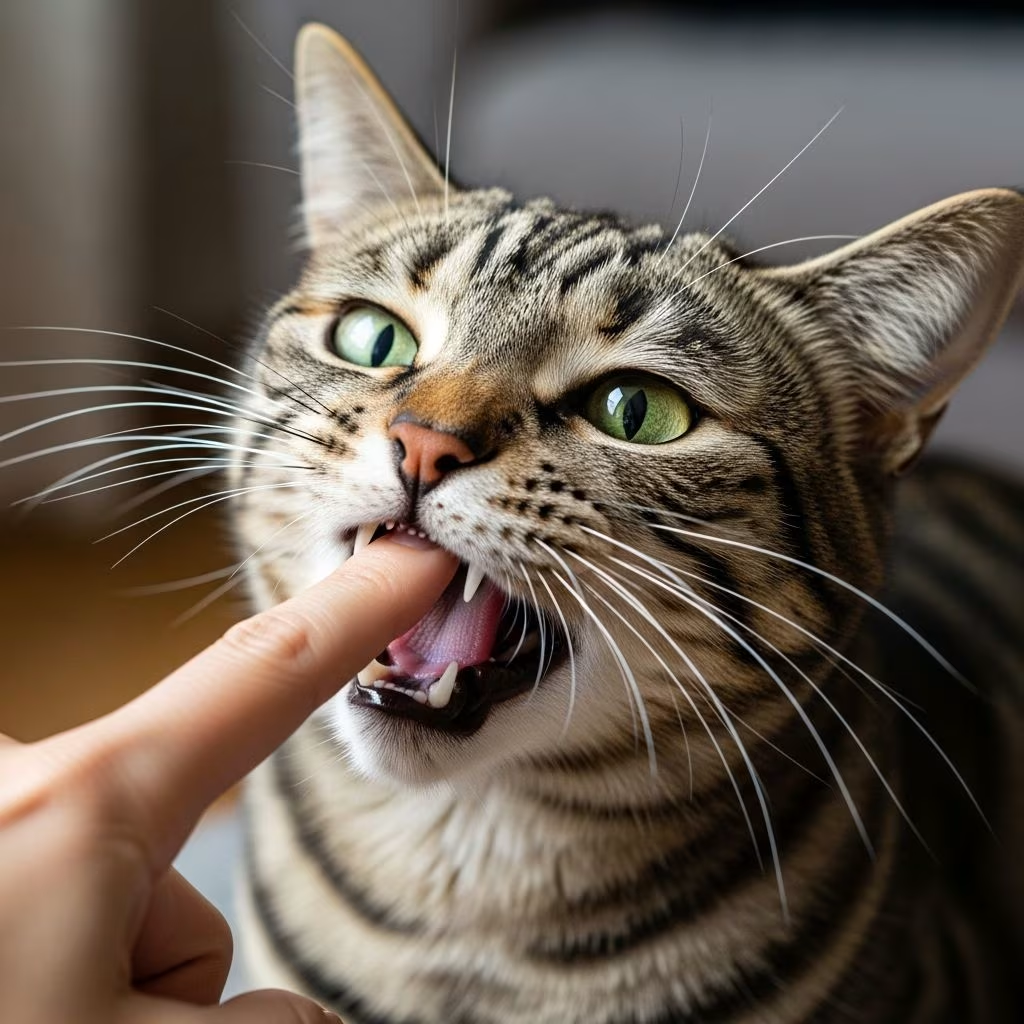
Gentle nibbles from cats, often called love bites, represent a nuanced aspect of feline communication that blends affection, play, and boundary-setting. These soft bites typically do not break the skin and arise from various emotional states in cats.
Understanding the Instinct Behind Gentle Nibbles
Cats use their mouths as primary tools for interaction, inherited from wild ancestors who relied on biting for hunting, grooming, and social bonding. In domestic settings, this translates to light mouthing during human contact, serving as a way to express comfort or mild discomfort without escalating to harm.
Domestic cats retain these instincts, applying them to their owners during petting sessions or playtime. The behavior stems from a cat’s natural sensitivity to touch, where prolonged stimulation shifts from pleasurable to irritating, prompting a gentle corrective bite.
Primary Motivations for Love Biting
Several triggers prompt these nibbles, each tied to a cat’s emotional or physical state.
- Affection and Bonding: Cats may nibble to mimic mutual grooming observed in colonies, signaling trust and closeness with their human family members.
- Overstimulation from Petting: Extended stroking, especially along the back or tail base, overwhelms sensitive nerves, leading to a bite as a polite ‘enough’ signal.
- Playful Energy Release: Kittens learn bite inhibition through play with siblings; adults redirect this predatory instinct onto hands or toys during interactive sessions.
- Attention-Seeking: A quick nip can prompt interaction when a cat feels ignored, reinforcing the behavior if owners respond positively.
- Mild Frustration: Interruptions during focused activities, like eating or resting, may elicit a nip to communicate displeasure.
Decoding Feline Body Language Cues
Contextual signals help differentiate benign love bites from warning signs. Observe these indicators before and during nibbling:
| Positive/Neutral Signs | Warning Signs of Discomfort |
|---|---|
| Relaxed ears forward Purring Slow blinking Leaning into touch | Dilated pupils Twitching tail tip Flattened ears Skin rippling on back |
| Soft paw kneading Rubbing against you Playful pouncing | Whiskers stiffening Sudden stiffening Hissing or growling |
Recognizing these patterns allows owners to adjust interactions proactively, preventing escalation. For instance, a cat with a swishing tail during petting likely approaches its tolerance limit.
Differentiating Love Bites from Aggressive Responses
Not all bites convey affection; distinguishing intensity is crucial for safety. Love bites remain superficial, akin to a pinch, while true aggression involves deep penetration, often with vocalizations or swiping claws.
Aggressive bites accompany fear responses, such as flattened posture or piloerection (fur standing on end). These signal pain, anxiety, or territorial defense, necessitating immediate withdrawal from the interaction. Physical punishment worsens such behaviors, fostering fear-based escalation.
In contrast, love bites occur in relaxed settings, without preceding threats. If skin breaks, treat as a potential infection risk due to bacteria in cat saliva, cleaning thoroughly and monitoring for swelling.
Effective Strategies to Manage and Redirect Biting
Addressing love bites involves positive reinforcement rather than reprimand, preserving the human-cat bond.
- Watch for Early Warnings: Pause petting at the first sign of tension, such as tail flicking, allowing the cat to re-engage if desired.
- Limit Session Duration: Keep strokes short, focusing on preferred areas like cheeks or forehead, avoiding belly or tail unless invited.
- Provide Alternatives: Offer toys mimicking prey, like wand teasers or crinkle balls, channeling energy away from skin.
- Reinforce Desired Behavior: Reward gentle contact with treats or praise, ignoring or calmly withdrawing during nibbles.
- Enrich Environment: Incorporate scratching posts, climbing trees, and puzzle feeders to reduce frustration-driven biting.
Consistency proves key; cats learn quickly from repeated responses. If biting intensifies, rule out medical issues like hyperesthesia syndrome, characterized by extreme touch sensitivity.
Role of Early Socialization in Bite Inhibition
Kittens develop bite control through interactions with littermates and mothers. Orphans or early-weaned cats may lack this, leading to harder nibbles in adulthood. Early handling by humans, starting around two weeks, builds tolerance if done gently.
Owners of young cats should encourage play with appropriate toys, teaching that hands mean petting, not prey. This foundation minimizes persistent love biting as the cat matures.
Health Considerations Linked to Biting Patterns
Sudden increases in nibbling warrant veterinary evaluation. Conditions like dental pain, arthritis, or thyroid issues heighten irritability, manifesting as uncharacteristic bites. Feline hyperesthesia, involving neurological skin sensitivity, demands professional diagnosis and management.
Regular check-ups ensure behavioral changes stem from emotions, not underlying pathology. Nutritional balance supports skin health, potentially reducing overstimulation triggers.
Building a Stronger Bond Through Understanding
Viewing love bites as communication fosters empathy, transforming potential frustration into opportunities for connection. Patient observation and adaptation align human actions with feline needs, enhancing mutual trust.
Many owners report deeper affection post-adjustment, with cats initiating calmer interactions. This reciprocal understanding elevates companionship beyond surface-level play.
Frequently Asked Questions About Cat Love Bites
Do love bites always indicate happiness?
No, they often signal a shift from pleasure to overstimulation. Context and body language provide clarity.
Is it safe to ignore gentle nibbles?
Gentle ones pose minimal risk, but consistent redirection prevents habituation to skin as a target.
Why does my cat bite during cuddles?
Cuddling overloads sensory input; shorten sessions and heed subtle discomfort cues.
Can training eliminate love bites entirely?
Not always, as it’s instinctual, but management reduces frequency and intensity effectively.
What if bites draw blood?
Clean immediately, monitor for infection, and consult a vet to assess aggression roots.
Are certain breeds more prone to love biting?
No breed-specific trends; individual personality and history influence behavior most.
References
- Cat Love Bites: Why They Happen and How To Respond — PetMD. 2023-10-15. https://www.petmd.com/cat/behavior/cat-love-bites
- What are cat love bites? Why your cat nibbles — Care.com. 2024-05-22. https://www.care.com/c/cat-love-bites-a-unique-form-of-communicatio/
- Petting-Induced or Overstimulation Aggression in Cats — Humane Society of Huron Valley (HSHV). 2023-01-10. https://www.hshv.org/petting-induced-or-overstimulation-aggression-in-cats/
- 9 Reasons Why Your Cat Bites You — GoodRx. 2025-02-14. https://www.goodrx.com/pet-health/cat/why-does-mycat-bite-me



