

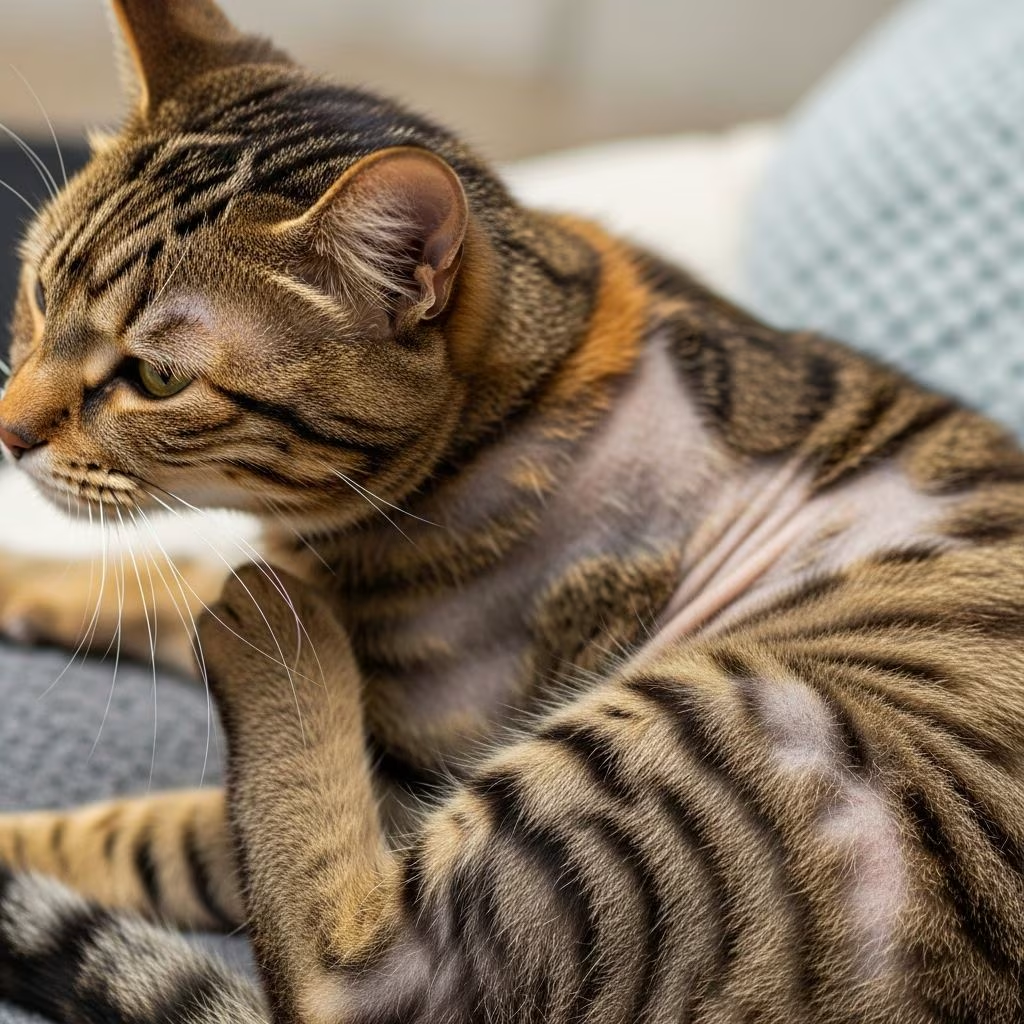
Hair loss in cats, known as alopecia, is a common concern for pet owners. It can appear as thinning fur, bald patches, or excessive shedding and may signal underlying health issues ranging from parasites to stress. Understanding the causes helps ensure prompt treatment to restore your cat’s healthy coat.
Why Is My Cat Losing Hair?
Cats naturally shed, but abnormal hair loss often stems from specific triggers. It can be symmetrical (self-induced overgrooming) or patchy (due to infections or parasites). Early detection prevents complications like secondary infections.
Common Causes of Hair Loss in Cats
- Parasites: Fleas, mites, and lice irritate the skin, prompting excessive scratching or grooming. Flea allergy dermatitis commonly affects the base of the tail, back, and thighs.
- Allergies: Food, environmental allergens (pollen, dust), or flea bites cause itching and hair loss. Cats may overgroom affected areas like the belly or legs.
- Skin Infections: Bacterial or fungal issues, including ringworm (a contagious fungal infection causing circular bald patches), lead to redness, scabs, and fur loss.
- Stress and Overgrooming: Psychogenic alopecia from anxiety, environmental changes, or boredom results in bald patches on the abdomen, legs, or sides. Cats lick excessively to self-soothe.
- Hormonal Imbalances: Conditions like hyperthyroidism or Cushing’s disease disrupt coat health, causing thinning fur.
- Poor Nutrition: Deficiencies in protein or essential fatty acids weaken the coat, increasing shedding.
- Underlying Diseases: Kidney disease, diabetes, or feline leukemia suppress immunity, leading to poor coat maintenance and infections.
- Genetics or Pain: Breed predispositions or painful areas (e.g., arthritis) prompt localized grooming.
Symptoms to Watch For
Beyond visible bald spots, look for accompanying signs to pinpoint the cause:
- Red, inflamed, or scabby skin
- Excessive scratching, licking, or biting
- Dandruff, greasy fur, or foul odor
- Behavioral changes like lethargy or increased thirst
- Symmetrical baldness (overgrooming) vs. asymmetrical patches (infections/parasites).
| Symptom | Possible Cause | Pattern |
|---|---|---|
| Bald patches on belly/legs | Stress or allergies | Symmetrical |
| Circular scaly areas | Ringworm | Patchy |
| Hair loss near tail/base | Fleas | Localized |
| Thinning all over | Nutrition/hormones | Diffuse |
When to See a Vet
Consult a veterinarian immediately if hair loss is sudden, widespread, or paired with symptoms like open sores, weight loss, vomiting, or lethargy. Self-diagnosis risks missing serious conditions like hyperthyroidism or cancer. A vet exam may include skin scrapes, fungal cultures, blood tests, or allergy trials.
Diagnosis: How Vets Identify the Cause
Veterinarians use a step-by-step approach:
- Physical Exam: Check for parasites, skin lesions, or pain.
- Skin Tests: Scrapings for mites, fungal cultures for ringworm.
- Blood Work: Screen for hormonal issues, kidney disease, or diabetes.
- Allergy Testing: Elimination diets or intradermal tests.
- Biopsy: For suspected autoimmune or cancerous causes.
Treatment Options for Cat Hair Loss
Treatment targets the root cause for regrowth in 4-8 weeks typically.
- Parasite Control: Topical/oral flea treatments like fipronil or selamectin.
- Allergy Management: Hypoallergenic diets, antihistamines, or steroids.
- Infection Treatment: Antibiotics for bacteria, antifungals (e.g., itraconazole) for ringworm; medicated shampoos.
- Stress Relief: Pheromone diffusers (Feliway), environmental enrichment, or anti-anxiety meds.
- Nutrition: High-quality, balanced diet with omega-3 supplements.
- Hormonal: Medication like methimazole for hyperthyroidism.
Preventing Hair Loss in Cats
Proactive steps maintain coat health:
- Monthly flea prevention year-round.
- High-protein diet tailored to age/lifestyle.
- Regular grooming to monitor skin.
- Stress reduction: scratching posts, quiet spaces, routine.
- Annual vet check-ups for early detection.
Home Remedies and Supportive Care
While awaiting vet care:
- Gently brush to remove loose fur (avoid if irritated).
- Use hypoallergenic wipes for cleaning.
- Ensure fresh water and a calm environment.
- Avoid OTC human products—many are toxic to cats.
Never use essential oils or human shampoos, as they can worsen issues.
Frequently Asked Questions (FAQs)
Is cat hair loss always serious?
No, but it often indicates an issue like fleas or allergies. Persistent cases need vet evaluation.
Will my cat’s hair grow back?
Yes, with proper treatment of the cause, regrowth occurs in most cases within weeks.
Can diet alone fix hair loss?
It helps if nutritional deficiency is the cause, but parasites or infections require meds.
How do I know if it’s fleas?
Check for black flea dirt (digested blood) or ‘flea dirt’ test: wet specks turn red.
Is ringworm dangerous?
Contagious to humans/pets; treat promptly with vet antifungals.
Conclusion
Hair loss in cats is treatable when addressed early. Monitor your pet closely and partner with your vet for the best outcome, ensuring a shiny, healthy coat.
References
- Hair Loss (Alopecia) in Cats – Cat Owners — Merck Veterinary Manual. 2023. https://www.merckvetmanual.com/cat-owners/skin-disorders-of-cats/hair-loss-alopecia-in-cats
- Alopecia in Cats: What It Is and Why Your Cat Is Losing Hair — PetMD. 2024-05-15. https://www.petmd.com/cat/conditions/skin/alopecia-cats-what-it-and-why-your-cat-losing-hair
- Hair loss (alopecia) in cats — PDSA. 2024. https://www.pdsa.org.uk/pet-help-and-advice/pet-health-hub/symptoms/hair-loss-alopecia-in-cats
- Cat Losing Hair? Causes and When to Worry — Fulton County Vet Clinic. 2023-08-10. https://fultoncountyvetclinic.com/blog/cat-losing-hair/
- 10 Reasons Your Cat is Losing Hair — Arrowhead Animal Hospital. 2024. https://arrowheadvets.com/blog/cat-is-losing-hair/



