

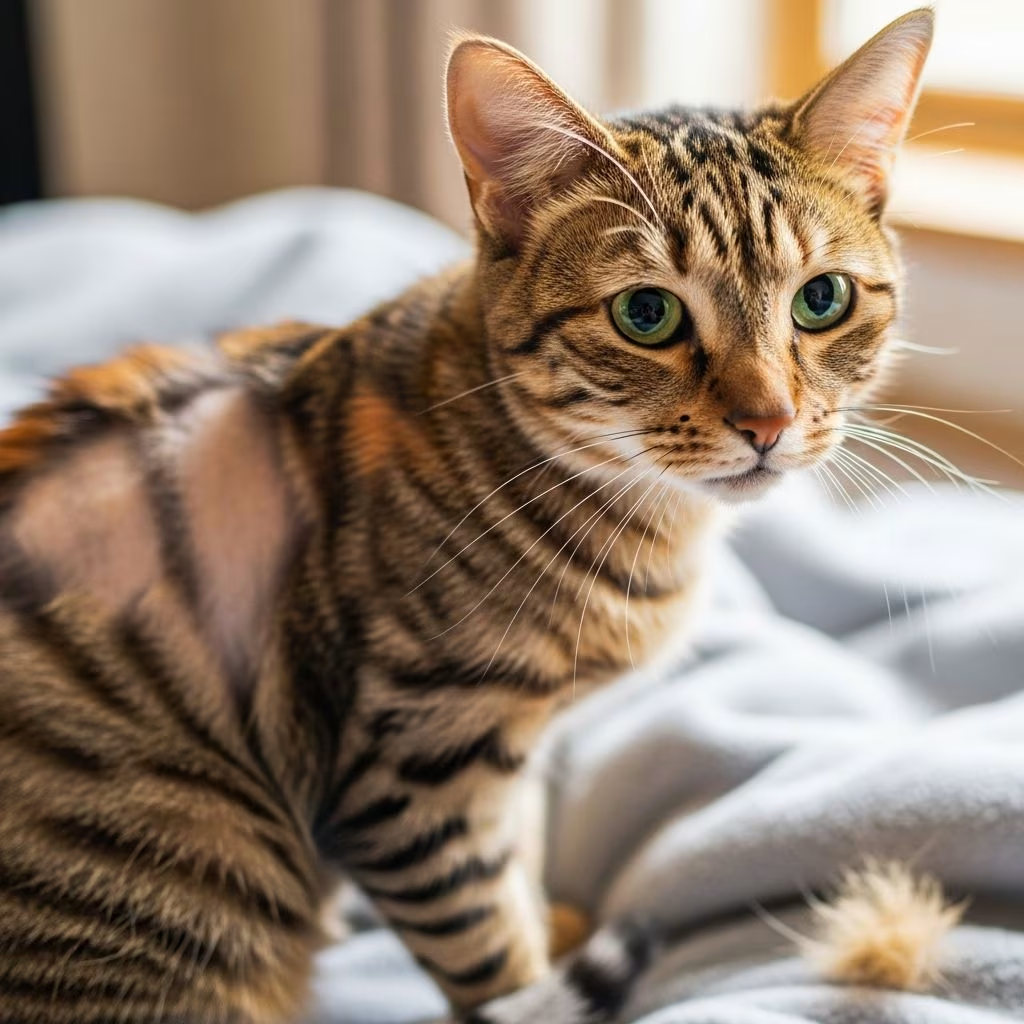
Hair loss in cats, medically known as alopecia, is a common concern for pet owners. While some shedding is normal, excessive or patchy hair loss often indicates an underlying issue ranging from parasites to stress. Understanding the causes helps you act quickly to restore your cat’s healthy coat and prevent complications like skin infections.
Why Is My Cat Losing Hair?
Cats lose hair for various reasons, including overgrooming due to irritation, infections, or behavioral factors. Unlike normal shedding, pathological alopecia creates bald patches, thinning fur, or symmetrical hair loss. Early detection is key, as untreated causes can lead to secondary issues.
Common Causes of Hair Loss in Cats
Several factors contribute to feline alopecia. Here’s a breakdown of the most frequent culprits:
Parasites
External parasites like fleas, mites, and lice are leading causes of hair loss. Flea allergy dermatitis, triggered by even a single flea bite in sensitive cats, causes intense itching, leading to bald patches on the tail base, back, and thighs. Mites such as Cheyletiella (walking dandruff) or demodex create scaly skin and fur loss. These parasites may not be visible without close inspection or vet tools like a flea comb.
Allergies
Allergic reactions to food, environmental allergens (pollen, dust), or flea saliva prompt excessive grooming. Cats lick and scratch relentlessly, resulting in hair loss on the belly, flanks, and legs. Food allergies often cause gastrointestinal symptoms alongside skin issues. Atopy, or environmental allergies, worsens seasonally.
Skin Infections
Bacterial pyoderma or fungal infections like ringworm produce circular bald spots with red, scaly, itchy skin. Ringworm is highly contagious to other pets and humans, appearing as flaky, inflamed patches. Bacterial infections follow parasite bites or allergies, creating pus-filled sores.
Stress and Psychogenic Alopecia
Cats under stress—from moves, new pets, loud noises, or boredom—overgroom as a coping mechanism. This psychogenic alopecia creates symmetrical bald patches on the abdomen, inner thighs, and sides without skin inflammation. It’s common in indoor cats lacking enrichment.
Hormonal Imbalances
Conditions like hyperthyroidism, Cushing’s disease, or diabetes disrupt hormone levels, leading to poor coat quality, thinning fur, or generalized shedding. These often accompany weight loss, increased thirst, or lethargy.
Poor Nutrition
Diets deficient in protein, omega fatty acids, or vitamins cause dull, brittle fur and excessive shedding. Malnutrition from poor-quality food or absorption issues (e.g., due to feline leukemia) weakens hair follicles.
Genetics and Breed Predispositions
Certain breeds like Sphynx have natural hairlessness, but others like Devon Rex may experience congenital alopecia. Genetic issues can mimic other conditions.
Other Medical Conditions
Autoimmune diseases (sebaceous adenitis), eosinophilic granuloma complex, or cancers can cause patchy loss. Pain from arthritis or wounds leads to localized grooming.
Symptoms to Watch For
Beyond bald patches, look for:
- Red, inflamed, or scabby skin
- Excessive scratching, licking, or biting
- Dandruff, greasiness, or foul odor
- Behavioral changes like lethargy or appetite loss
- Open sores or wounds from self-trauma
Symmetrical hair loss suggests behavioral causes, while asymmetrical patches point to parasites or infections.
Hair Loss Patterns in Cats
Pattern recognition aids diagnosis:
| Pattern | Likely Cause |
|---|---|
| Bald tail base and lower back | Flea allergy |
| Circular, scaly patches | Ringworm |
| Symmetrical belly/legs | Stress or allergies |
| Generalized thinning | Nutrition or hormones |
These patterns guide vets but require confirmation via tests.
When to See a Vet
Consult a veterinarian immediately if hair loss is sudden, patchy, or accompanied by skin changes, itching, or illness. Delaying risks secondary infections or worsening systemic disease. Routine check-ups for seniors or multi-pet homes catch issues early.
Diagnosis Process
Vets perform:
- Skin scrapes, cytology, or fungal cultures
- Flea combing and tape tests
- Bloodwork for hormones/allergies
- Allergy or elimination diet trials
- Biopsy for rare cases
Accurate diagnosis ensures targeted treatment.
Treatment for Cat Hair Loss
Treatments address root causes:
Parasite Control
Topical/oral flea preventives (e.g., fipronil, selamectin) eliminate pests. Monthly applications prevent recurrence.
Allergy Management
Hypoallergenic diets, antihistamines, or steroids reduce reactions. Immunotherapy for environmental allergies.
Infection Treatment
Antibiotics for bacteria, antifungals (oral/topical) for ringworm. Medicated shampoos soothe skin.
Stress Reduction
Pheromone diffusers, enrichment toys, or anti-anxiety meds. Behavioral consults help.
Nutritional Support
High-quality, balanced diets with omega-3s promote regrowth.
Hormonal Therapy
Medications like methimazole for hyperthyroidism.
Hair typically regrows in 4-8 weeks with treatment.
Home Remedies and Prevention
While not substitutes for vet care:
- Groom regularly to monitor skin
- Use flea preventives year-round
- Provide stress-relief (scratching posts, playtime)
- Feed premium nutrition
- Avoid irritants like harsh shampoos
Prevention focuses on routine wellness.
FAQs
Is cat hair loss always serious?
No, but patchy loss warrants a vet visit to rule out treatable issues like fleas.
How long does it take for cat hair to grow back?
4-12 weeks, depending on cause and treatment efficacy.
Can diet alone fix cat alopecia?
It helps nutrition-related cases but not parasites or infections.
Is ringworm dangerous for humans?
Yes, especially children; isolate and treat promptly.
Why is my cat losing hair on its belly?
Often stress, allergies, or overgrooming; check for symmetry.
References
- Hair Loss (Alopecia) in Cats – Cat Owners — Merck Veterinary Manual. 2023. https://www.merckvetmanual.com/cat-owners/skin-disorders-of-cats/hair-loss-alopecia-in-cats
- Alopecia in Cats: What It Is and Why Your Cat Is Losing Hair — PetMD. 2024-01-15. https://www.petmd.com/cat/conditions/skin/alopecia-cats-what-it-and-why-your-cat-losing-hair
- Hair loss (alopecia) in cats — PDSA. 2024. https://www.pdsa.org.uk/pet-help-and-advice/pet-health-hub/symptoms/hair-loss-alopecia-in-cats
- Cat Losing Hair? Causes and When to Worry — Fulton County Vet Clinic. 2023. https://fultoncountyvetclinic.com/blog/cat-losing-hair/
- 10 Reasons Your Cat is Losing Hair — Arrowhead Animal Hospital. 2023. https://arrowheadvets.com/blog/cat-is-losing-hair/



