

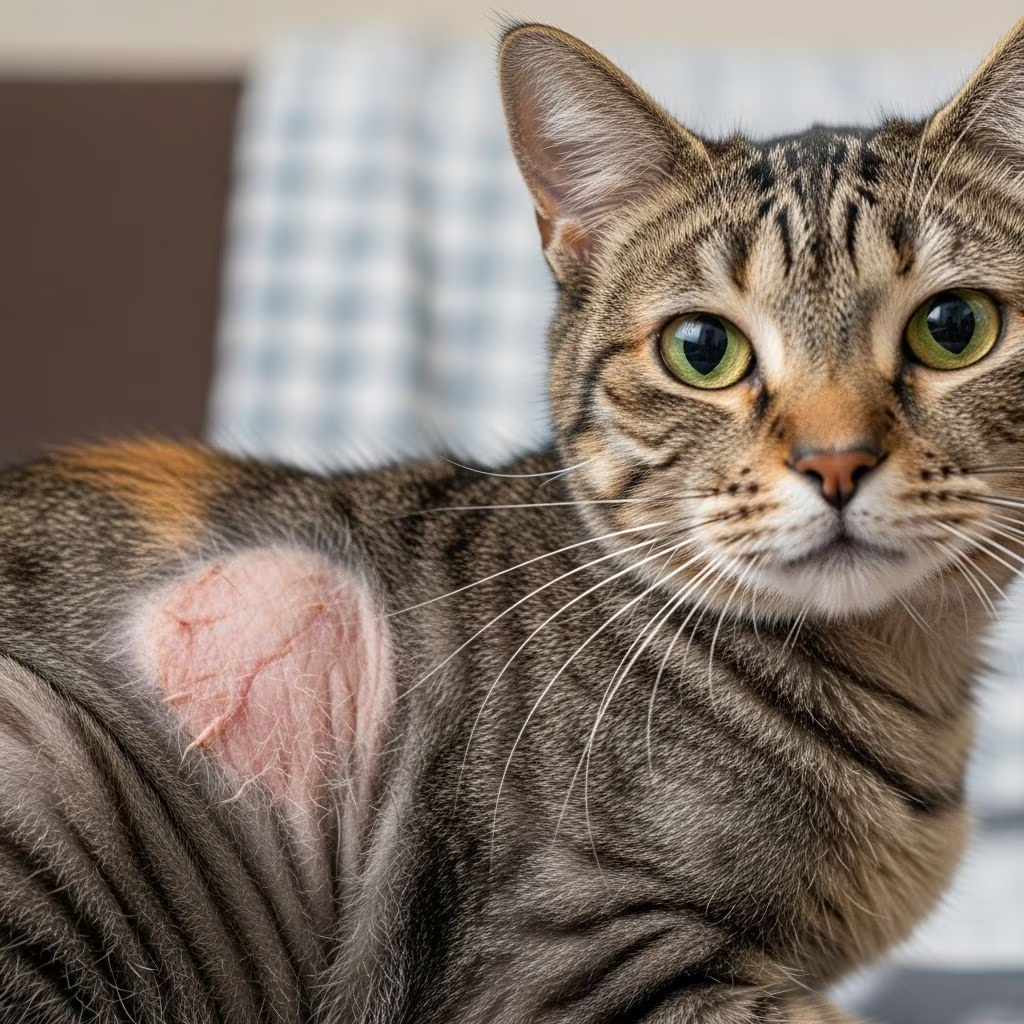
Your cat’s luxurious fur is a hallmark of their health and beauty, but noticing bald patches or excessive shedding can be alarming. Hair loss in cats, medically termed **alopecia**, is a common issue that affects felines of all ages and breeds. While some shedding is normal, especially during seasonal changes, abnormal hair loss often signals an underlying problem that requires attention. Early detection and intervention are key to preventing further discomfort and restoring your cat’s coat.
This comprehensive guide covers the most frequent causes of cat hair loss, how to identify patterns, when to seek veterinary care, and proven treatment strategies. Whether it’s parasites, allergies, or stress, understanding the root cause empowers you to help your feline friend thrive.
Why Is My Cat Losing Hair?
Hair loss in cats can result from a variety of factors, ranging from external parasites to internal health issues. Unlike dogs, cats are expert groomers and often hide symptoms, making it challenging to spot problems early. Common culprits include itching, overgrooming, infections, and nutritional deficiencies. According to veterinary experts, overgrooming accounts for the majority of cases, often triggered by irritation or stress.
Parasites
**Fleas, mites, and lice** are among the top reasons for feline hair loss. Even indoor cats can pick up fleas from other pets or visitors. Flea allergy dermatitis (FAD) causes intense itching, leading cats to chew and scratch, resulting in bald spots around the tail base, back, and thighs. Mites like Cheyletiella (walking dandruff) or lice create scaly skin and patchy fur loss. These parasites may not be visible without close inspection or a vet’s comb test.
- Fleas: Tiny black specks (flea dirt) in fur; red skin from allergies.
- Mites: Powdery dandruff-like scales; itching on head and neck.
- Lice: Visible as small white specks; worse in kittens or long-haired breeds.
Regular preventives like topical spot-ons or oral medications keep parasites at bay and promote hair regrowth.
Allergies
Cats can develop allergies to food proteins (e.g., beef, fish), environmental allergens (pollen, dust mites), or flea saliva. Allergic reactions trigger relentless itching, prompting overgrooming and symmetrical hair loss on the belly, flanks, and inner thighs. Food allergies often cause year-round issues, while environmental ones flare seasonally.
Symptoms include red, inflamed skin and secondary infections from constant licking. Diagnosis involves elimination diets or intradermal testing by a vet.
Skin Infections
Bacterial pyoderma or fungal infections like **ringworm** lead to circular bald patches with scaly, red edges. Ringworm is highly contagious to other pets and humans, glowing under UV light (Wood’s lamp) during diagnosis. Bacterial infections cause pus-filled sores, greasy fur, and foul odors.
These infections thrive in moist, irritated skin, often secondary to parasites or allergies. Prompt treatment prevents spread and scarring.
Overgrooming and Psychogenic Alopecia
Cats groom excessively to self-soothe, licking until fur breaks off or bald spots form. This **psychogenic alopecia** stems from stress (new home, loud noises, new pets) or boredom. Patterns are typically symmetrical on the abdomen, legs, and groin.
Pain from arthritis or dental issues can also localize overgrooming. Environmental enrichment like puzzle toys and pheromone diffusers helps.
Poor Nutrition
A diet lacking essential fatty acids (omega-3/6), zinc, or biotin results in dull, brittle fur and diffuse thinning. Kittens, seniors, and picky eaters are at risk. Switching to a high-quality, vet-recommended diet rich in these nutrients supports coat health.
Hormonal Imbalances
Conditions like **hyperthyroidism** (common in seniors), Cushing’s disease, or diabetes disrupt hormone levels, causing poor coat quality and hair loss along with weight loss, increased thirst, and lethargy. Blood tests confirm these systemic issues.
Underlying Medical Conditions
Hair loss signals serious problems like kidney disease, feline leukemia (FeLV), or autoimmune disorders. FeLV weakens immunity, impairing nutrient absorption and inviting infections. Cancer or sebaceous adenitis (genetic autoimmune) creates oily, scaly baldness.
Genetics and Breed Predispositions
Breeds like Sphynx naturally lack fur, but others (e.g., Devon Rex) may thin due to genetics. Friction from ill-fitting collars causes localized wear.
Symptoms to Watch For
Beyond bald patches, look for:
- Red, inflamed, or scabby skin.
- Excessive scratching, licking, or biting.
- Dandruff, scales, or greasy coat.
- Open sores or foul odors.
- Behavioral changes like hiding or aggression.
**Pattern matters**: Symmetrical loss suggests allergies/stress; circular patches indicate ringworm; tail/base baldness points to fleas.
When to See a Vet
Consult a veterinarian immediately if hair loss is sudden, widespread, or accompanied by symptoms like vomiting, diarrhea, or appetite loss. Self-treatment risks worsening issues. Vets perform skin scrapes, fungal cultures, bloodwork, or biopsies for accurate diagnosis.
Early intervention prevents complications like chronic infections or self-trauma.
Diagnosis: What to Expect
| Test | Purpose | Common Findings |
|---|---|---|
| Skin Scrape/Cytology | Detect parasites, bacteria | Fleas, mites, pus cells |
| Fungal Culture/Wood’s Lamp | Confirm ringworm | Glowing patches, growth in 2-3 weeks |
| Bloodwork | Check hormones, organs | High thyroid, kidney values |
| Allergy Testing/Diet Trial | Identify allergens | Reaction elimination |
| Biopsy | Rule out cancer/autoimmune | Tissue abnormalities |
Treatments for Cat Hair Loss
Treatment targets the cause for optimal regrowth, typically within 4-8 weeks.
Parasite Control
Prescription flea/tick preventives (e.g., Revolution, Bravecto). Bathe gently if infested.
Allergy Management
Hypoallergenic diets, antihistamines, or steroids. Apoquel-like meds for itch relief.
Infection Treatment
Antibiotics (e.g., Clavamox) for bacteria; oral antifungals (e.g., Itraconazole) for ringworm (4-8 weeks). Medicated shampoos like chlorhexidine.
Nutritional Supplements
Omega-3 oils, biotin complexes to boost coat from within.
Stress Reduction
Feliway diffusers, play therapy, or anti-anxiety meds like fluoxetine.
Hormonal/Medical Therapies
Methimazole for hyperthyroidism; insulin for diabetes.
Prevention Tips
- Monthly parasite preventives year-round.
- Balanced, AAFCO-approved diet.
- Regular vet check-ups (annual bloodwork for seniors).
- Stress-proof environment: scratching posts, hiding spots.
- Groom weekly to monitor skin.
Frequently Asked Questions (FAQs)
Is cat hair loss always serious?
No, but persistent or symptomatic loss warrants a vet visit to rule out treatable issues.
Can hair grow back after alopecia?
Yes, with proper treatment, most cats regrow fur fully in 1-3 months.
Why is my cat losing hair on her belly?
Often allergies, stress, or overgrooming; check for fleas first.
Is ringworm dangerous for humans?
Yes, especially kids and immunocompromised; isolate and treat promptly.
How can I stop overgrooming at home?
Enrich environment, use calming pheromones, and distract with toys.
(Word count: 1678)
References
- Hair Loss (Alopecia) in Cats – Cat Owners — Merck Veterinary Manual. 2023. https://www.merckvetmanual.com/cat-owners/skin-disorders-of-cats/hair-loss-alopecia-in-cats
- Alopecia in Cats: What It Is and Why Your Cat Is Losing Hair — PetMD. 2024-05-15. https://www.petmd.com/cat/conditions/skin/alopecia-cats-what-it-and-why-your-cat-losing-hair
- Cat Losing Hair? Causes and When to Worry — Fulton County Vet Clinic. 2024. https://fultoncountyvetclinic.com/blog/cat-losing-hair/
- 10 Reasons Your Cat is Losing Hair — Arrowhead Animal Hospital. 2023-11-20. https://arrowheadvets.com/blog/cat-is-losing-hair/
- Reasons Your Cat’s Hair is Falling Out — Ridgeview Animal Hospital. 2024. https://ridgeviewanimalhospital.com/articles/cats-hair-is-falling-out



