

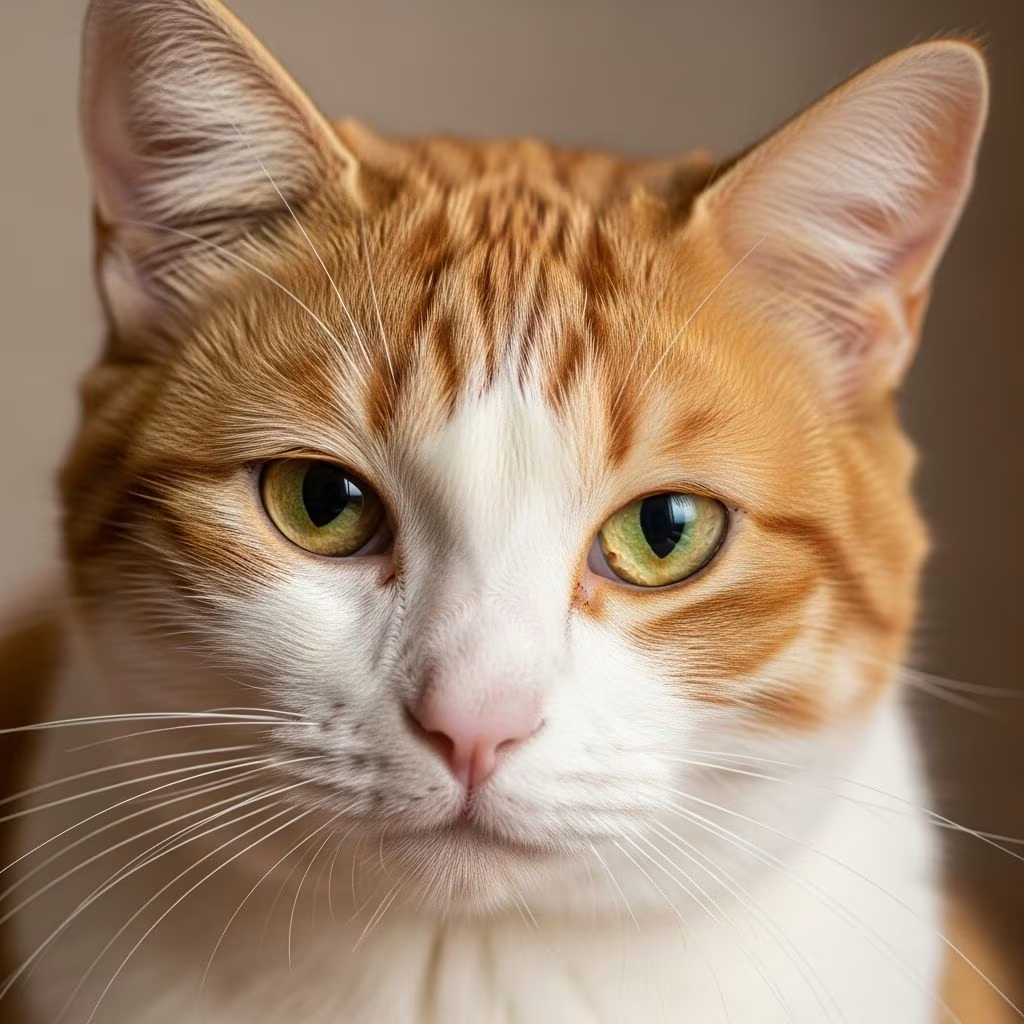
The liver plays a vital role in a cat’s health, handling digestion, detoxification, and nutrient processing. When it malfunctions, cats face serious challenges that demand prompt attention from owners and veterinarians.
Why the Liver Matters to Your Cat
Cats rely on their liver for over 500 essential functions, including filtering toxins, producing proteins, and metabolizing fats and proteins. Damage here disrupts overall well-being, leading to cascading health effects. Unlike dogs, cats have unique metabolic vulnerabilities, making liver conditions more prevalent and severe in felines.
Early detection improves outcomes, as the liver’s regenerative capacity allows recovery if addressed swiftly. Owners should monitor for subtle changes in behavior or appearance to intervene before crises develop.
Common Triggers of Feline Liver Dysfunction
Liver problems in cats stem from diverse sources, often intertwining infections, toxins, and metabolic issues. Understanding these helps in prevention and timely action.
- Infectious Agents: Bacteria ascending from the intestines cause neutrophilic cholangitis, inflaming bile ducts and liver tissue. Viruses like feline leukemia (FeLV) and feline infectious peritonitis (FIP) weaken immunity, inviting secondary liver attacks.
- Parasites and Fungi: Outdoor cats risk Toxoplasma gondii or Histoplasma, which invade the liver, sparking hepatitis.
- Toxins and Drugs: Human medications such as acetaminophen, NSAIDs like Rimadyl, or household chemicals inflict rapid damage due to cats’ limited detoxification enzymes.
- Metabolic Disorders: Hepatic lipidosis, or fatty liver, arises from fat buildup in liver cells, often triggered by sudden anorexia in overweight cats.
- Other Factors: Genetic predispositions, trauma, heatstroke, or concurrent diseases like pancreatitis contribute to chronic inflammation.
These triggers often overlap; for instance, poor diet exacerbates infection risks by promoting obesity and fatty deposits.
Recognizing the Warning Signs
Symptoms vary by disease stage but share patterns owners can spot. Acute cases show sudden decline, while chronic ones build gradually.
| Symptom | Description | Associated Conditions |
|---|---|---|
| Jaundice | Yellowing of gums, ears, skin, or eyes from bilirubin buildup | Cholangitis, hepatitis, lipidosis |
| Lethargy | Weakness, hiding, reduced playfulness | All liver diseases |
| Vomiting/Diarrhea | Frequent digestive upset | Infections, toxins |
| Appetite Loss | Refusal to eat, rapid weight drop | Hepatic lipidosis primary |
| Abdominal Swelling | Fluid accumulation (ascites) | Chronic hepatitis |
Additional red flags include dehydration (tacky gums, sunken eyes), fever, seizures from toxin buildup like ammonia, or bleeding tendencies due to clotting factor deficits. Behavioral shifts, such as increased thirst or urination, signal broader metabolic strain.
How Vets Diagnose Liver Trouble
Diagnosis starts with a history review and physical exam, noting jaundice or abdominal pain. Bloodwork reveals elevated liver enzymes (ALT, AST), bilirubin, and low proteins or glucose.
- Imaging: Ultrasound detects enlargement, masses, or bile duct blockages.
- Biopsy: Tissue sampling confirms inflammation type (e.g., lymphocytic vs. neutrophilic).
- Further Tests: Bile analysis, clotting profiles, or urine/fecal checks for infections complete the picture.
These steps pinpoint causes, guiding targeted therapy over generic support.
Treatment Strategies for Recovery
Tailored plans address root causes while supporting regeneration. Success hinges on early, aggressive intervention.
Medications and Supportive Therapies
Antibiotics combat bacterial cholangitis; antivirals or antifungals target specific pathogens. Liver protectants like SAMe, ursodiol, and antioxidants aid detoxification. Anti-nausea drugs, pain relief, and antacids manage symptoms.
Hospitalization provides IV fluids for hydration, electrolyte balance, and toxin flushing. Plasma transfusions correct clotting issues in severe cases.
Nutritional Interventions
Diet is cornerstone therapy, especially for lipidosis where forced nutrition halts fat accumulation. Prescription foods (e.g., high-digestible protein, low copper) ease liver workload.
- Frequent small meals prevent overload.
- Feeding tubes (esophagostomy or gastrostomy) ensure intake if appetite fails.
- Vitamin B12, potassium, and thiamine supplements address deficiencies.
Avoid force-feeding by syringe to prevent aversion; tubes are safer long-term.
Advanced Options
Surgery relieves bile duct obstructions or removes gallbladders in blockages. Chemotherapy applies rarely for cancers.
Preventing Liver Problems in Cats
Proactive steps reduce risks significantly.
- Keep toxins inaccessible; never give human meds without vet approval.
- Maintain ideal weight via balanced diet and play to avert lipidosis.
- Vaccinate against FeLV and test carriers.
- Indoor living minimizes parasite exposure; use preventives if outdoors.
- Regular vet checkups catch issues early via blood screens.
Monitor weight and appetite during diet changes or stress to intervene quickly.
Prognosis and Long-Term Management
Outcomes vary: acute bacterial cases respond well to antibiotics (80-90% recovery), while lipidosis needs 2-3 months of nutrition but boasts high success with compliance. Chronic immune-mediated types require lifelong meds.
Follow-up bloodwork tracks progress. Recheck every 1-3 months initially, adjusting diets or meds as enzymes normalize.
Frequently Asked Questions
Can cats recover from liver failure?
Yes, many do with prompt treatment; the liver regenerates well if underlying issues resolve.
Is fatty liver fatal in cats?
Not if treated early with nutrition; untreated, mortality exceeds 50%.
What diet helps cat liver disease?
Vet-prescribed hepatic formulas with digestible proteins and antioxidants.
How long does treatment last?
Weeks for acute; months for lipidosis, lifelong for chronic.
Should I induce vomiting if toxin exposure?
No; contact vet or poison hotline immediately for guidance.
References
- Liver Disease in Cats — PetMD. 2023. https://www.petmd.com/cat/conditions/endocrine/liver-disease-cats
- Natural Ways to Treat Liver Disease in Dogs and Cats — Paws and Claws Animal Hospital. 2022. https://pawsandclawsanimalhospital.com/natural-ways-to-treat-liver-disease-in-dogs-and-cats/
- Understanding Liver Infection in Cats: Causes, Symptoms, and Treatment Options — Atlas Pet Hospital. 2024. https://atlaspethosp.com/understanding-liver-infection-in-cats-causes-symptoms-and-treatment-options-every-pet-owner-should-know/
- Hepatitis in Cats: Causes, Symptoms & Treatment — Providence Veterinary Hospital. 2020-09-30. https://www.charlotte.providencevets.com/site/blog/2020/09/30/hepatitis-cats-causes-symptoms-treatment
- Liver and Gall Bladder Disease in Cats — International Cat Care. 2023. https://icatcare.org/articles/liver-and-gall-bladder-disease-in-cats
- Liver Disease in Cats: Signs, Treatment, Prognosis — Best Friends Animal Society. 2023. https://bestfriends.org/pet-care-resources/liver-disease-cats-signs-treatment-prognosis
- Hepatic Lipidosis — Cornell University College of Veterinary Medicine. 2024. https://www.vet.cornell.edu/departments-centers-and-institutes/cornell-feline-health-center/health-information/feline-health-topics/hepatic-lipidosis



