
Cat Litter Training Guide: Expert Tips For Consistent Use
Master cat litter training with proven tips for kittens, adults, and troubleshooting common issues to keep your home clean and stress-free.
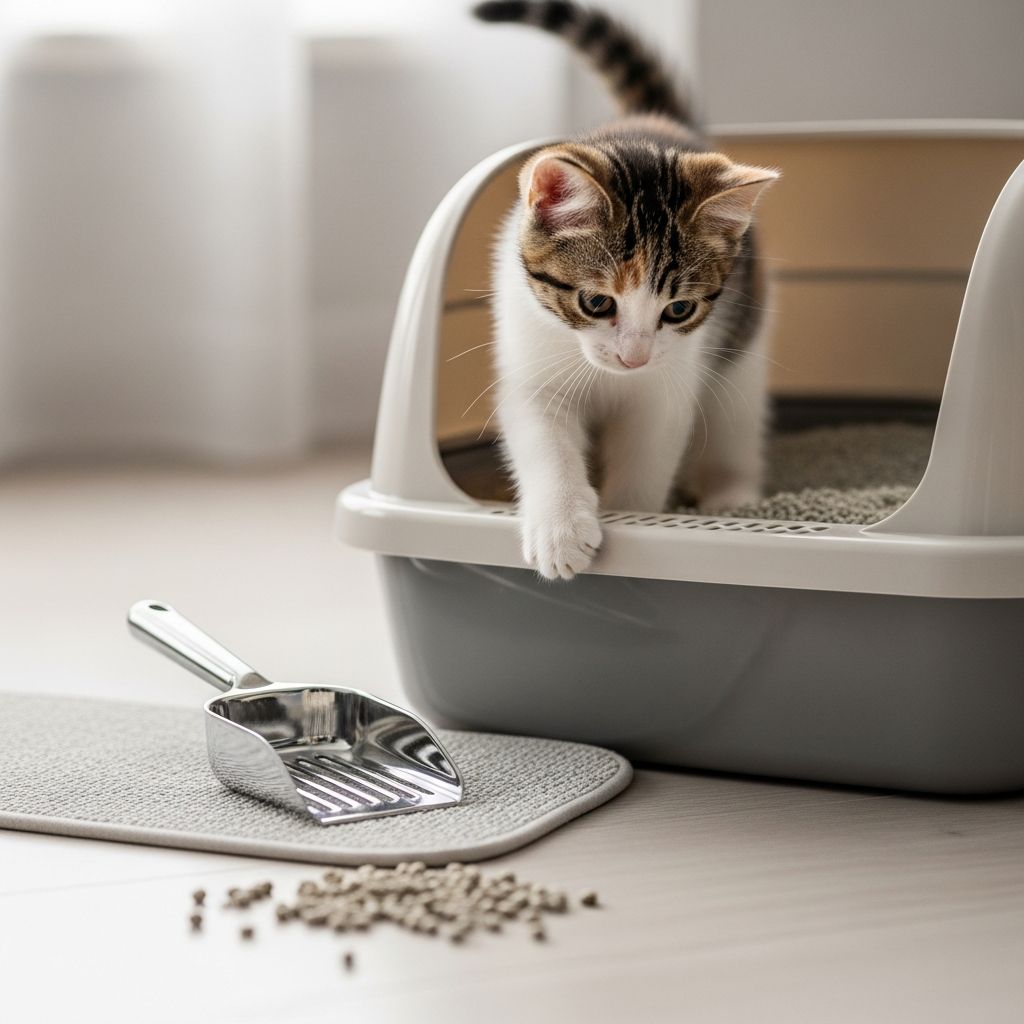
Training cats to use a litter box consistently is essential for harmonious pet ownership. Most cats instinctively gravitate toward litter boxes when provided with the right setup, but challenges can arise due to preferences, health, or environment. This guide explores optimal litter box selection, strategic placement, maintenance routines, training methods for different ages, and solutions for common problems, drawing from veterinary insights to help you succeed.
Understanding Feline Elimination Instincts
Cats are naturally fastidious animals with strong instincts to bury their waste, mimicking wild behaviors to avoid predators. This drive makes litter training straightforward for many, but mismatches in litter type, box design, or location can lead to accidents. Research shows cats prefer soft, diggable substrates and private spots, influencing their willingness to use provided facilities. Recognizing these preferences early prevents issues and fosters good habits.
Selecting the Perfect Litter Box
Choosing an appropriate litter box is foundational. Size matters: the box should allow your cat to stand, turn around comfortably, and dig without touching sides. For adults, opt for boxes at least 1.5 times their body length with high sides for privacy, while kittens need low-entry designs.
- Uncovered vs. Covered: Many cats favor open boxes for easy access and visibility, avoiding enclosed ones that feel confining.
- Depth and Material: Provide at least 3 inches of litter for burying, using fine, clumping clay varieties that most prefer for texture.
- Number of Boxes: Follow the rule of one box per cat plus one extra, especially in multi-cat households to reduce competition.
Test preferences by setting up a “litter cafeteria” with varied options side-by-side, observing which your cat chooses.
Strategic Placement for Success
Location impacts usage significantly. Place boxes in quiet, accessible areas away from food, water, and high-traffic zones to respect cats’ privacy needs. In multi-story homes, install one per floor near resting spots, as cats often eliminate post-nap.
| Household Type | Recommended Placement | Rationale |
|---|---|---|
| Single Cat, Small Home | 1-2 boxes in low-traffic room | Easy access without disturbances |
| Multi-Cat | Boxes spread across floors/locations | Prevents bullying or competition |
| Senior or Kitten | Low-entry near sleeping areas | Accommodates mobility limitations |
Avoid moving boxes abruptly; gradual shifts maintain familiarity.
Essential Cleaning and Maintenance Routines
Cats shun dirty boxes, so rigorous cleaning is non-negotiable. Daily scooping removes clumps, weekly full dumps and washes with mild soap prevent residue buildup, and monthly deep scrubs ensure hygiene.
- Daily: Scoop all waste; some cats demand multiple sessions.
- Weekly: Empty, wash with hot water and unscented soap, refill fresh litter.
- Monthly: Thorough scrub; replace box annually if worn.
- Pro Tip: Unscented products avoid repelling sensitive noses.
Consistent hygiene reinforces the box as a desirable spot.
Training Kittens from Day One
Kittens learn rapidly when confined to a small, enriched space with a litter box, food, water, and toys. After naps or meals—prime elimination times—gently place them in the box and mimic digging to encourage use.
- Observe sniffing or circling; guide to box without scolding.
- Supervise exploration post-success; return to confined area unsupervised.
- Use substrate matching accidents, like soil for outdoor cats.
Full house access comes only after consistent use over days.
Retraining Adult Cats Effectively
Adult cats, especially rescues, may need “litter boot camp.” Confine to a room with boxes at one end, essentials at the other, providing socialization and play daily. Gradually expand access room-by-room, keeping a box in prior areas.
For older cats, prioritize large, low-sided boxes in quiet spots with fine litter, ensuring multiple options. Patience yields results in weeks.
Resolving Common Litter Box Problems
Accidents signal issues: always rule out medical causes like UTIs via vet visit first. Environmental tweaks often resolve behavioral cases.
Top Troubleshooting Strategies
- Accidents in Specific Spots: Place temporary box nearby; deter with citrus or foil.
- Multi-Cat Conflicts: Add boxes in separate locations to ease tension.
- Litter Aversion: Experiment with types/depths via cafeteria method.
- Surface Preference: Mix preferred substrate (e.g., dirt) into litter initially.
Advanced option: Gradual toilet training by shifting box position incrementally over weeks, securing it atop the seat before removal.
Multi-Cat Household Dynamics
Competition drives soiling; extra boxes mitigate this. Monitor for ambushes near boxes and separate if needed. Scent familiarity aids harmony.
Health Considerations in Training
Behavioral issues mask pain; seniors may struggle with high sides due to arthritis. Consult vets for checkups before assuming naughtiness.
Frequently Asked Questions (FAQs)
Why is my cat suddenly avoiding the litter box?
Check for dirtiness, stress, or illness. Clean thoroughly and vet-check promptly.
How often should I fully change the litter?
Weekly for most, using unscented soap for washing.
Can outdoor cats adapt to indoor litter?
Yes, mix soil into litter initially to bridge preferences.
What’s the best litter for sensitive paws?
Fine, clumping, unscented clay is ideal for most.
How to train a cat to use the toilet?
Move litter box gradually to bathroom and seat over 3-4 weeks, cutting down sides progressively.
Long-Term Success Tips
Maintain routines, monitor changes, and enrich environments to prevent regressions. Enlist vets for persistent issues. With diligence, most cats achieve flawless habits.
References
- House Training for Kittens and Cats — VCA Animal Hospitals. Accessed 2026. https://vcahospitals.com/know-your-pet/kitten-behavior-and-training—litter-box-training
- Charles Mingus Cat Toilet Training Program — Charles Mingus. Accessed 2026. https://www.charlesmingus.com/mingus/cat-traning-program
- How to train older cat to use litter box? — Cats.com. Accessed 2026. https://cats.com/community/litter-problems/training-an-older-cat-to-use-litter-box
- Remedial Litter Box Training — Louisiana SPCA. 2020-09. https://www.louisianaspca.org/wp-content/uploads/2020/09/Remedial-Litter-Box-Training.pdf
- Preventing and solving litter box problems — Animal Humane Society. Accessed 2026. https://www.animalhumanesociety.org/resource/preventing-and-solving-litter-box-problems
- Litter Box Problems — ASPCA. Accessed 2026. https://www.aspca.org/pet-care/cat-care/common-cat-behavior-issues/litter-box-problems
- Litter Boxes — Indoor Pet Initiative, The Ohio State University. Accessed 2026. https://indoorpet.osu.edu/cats/basic-indoor-cat-needs/litter-boxes
Similar Articles








Read full bio of Sneha Tete




