

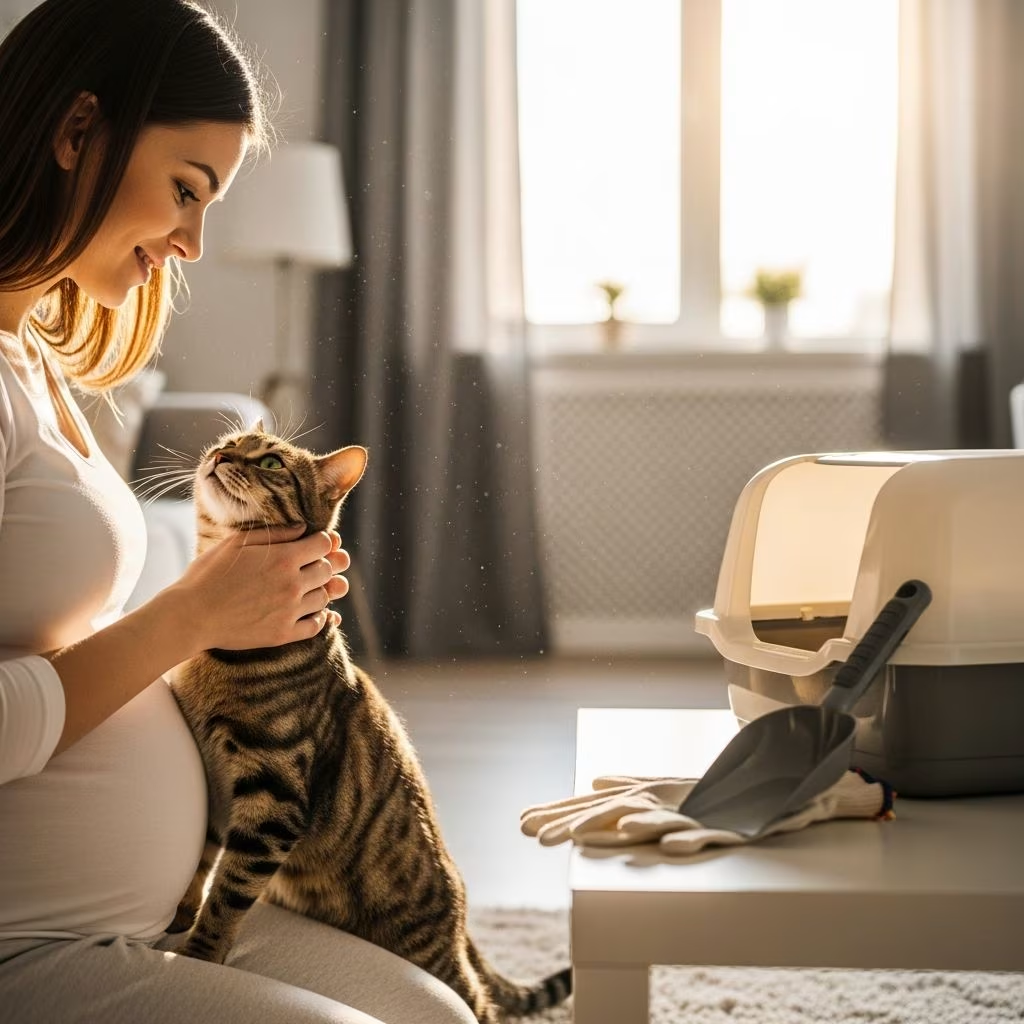
Handling cat litter during pregnancy raises valid concerns primarily due to the potential transmission of toxoplasmosis, a parasitic infection that can harm fetal development. Health authorities strongly recommend avoiding this task when possible, but with proper precautions, risks can be significantly reduced if unavoidable.
Understanding the Core Risk: Toxoplasmosis Explained
Toxoplasmosis stems from the parasite Toxoplasma gondii, which cats can shed in their feces after consuming infected prey like rodents or birds. The oocysts in feces become infectious after 1-5 days, making prompt litter box cleaning crucial. For pregnant individuals, primary infection can lead to congenital toxoplasmosis, passing the parasite to the fetus with risks varying by trimester: early exposure may cause severe issues like miscarriage or brain damage, while later infection increases transmission likelihood but often results in milder outcomes.
Importantly, not all cats carry the parasite; indoor cats fed commercial diets are at lower risk. Many adults have pre-existing immunity from prior exposure, rendering them unaffected carriers. A blood test can confirm immunity status, providing reassurance.
Why Pregnancy Heightens Vulnerability
Pregnancy naturally suppresses the immune system to tolerate the fetus, increasing susceptibility to infections like toxoplasmosis. While most infected pregnant people remain asymptomatic, the fetus faces potential complications including stillbirth, preterm birth, developmental delays, vision impairment, or hearing loss. According to the Centers for Disease Control and Prevention (CDC), dog waste poses lower risks without toxoplasmosis but may carry bacteria like E. coli or Salmonella, still warranting caution.
| Risk Factor | Cat Litter | Dog Waste |
|---|---|---|
| Primary Pathogen | Toxoplasma gondii | Bacteria (E. coli, Salmonella) |
| Pregnancy Impact | High (fetal damage) | Moderate (illness risk) |
| Transmission Time | 1-5 days for infectivity | Immediate contact |
Practical Prevention Strategies for Cat Lovers
Delegating litter duties is the gold standard. Enlist partners, family, or hire services to manage scooping throughout pregnancy. If unavoidable:
- Scoop daily before oocysts sporulate.
- Wear disposable gloves and a mask to prevent inhalation or skin contact.
- Wash hands with soap for at least 20 seconds post-task.
- Use litter types that clump well for easier, less dusty cleaning.
Beyond the box, minimize exposure by keeping cats indoors, avoiding raw meat diets, and steering clear of strays or kittens, which shed more frequently. Gardening? Wear gloves, as soil can harbor oocysts from roaming cats.
Broader Pet Care Adjustments During Expectancy
Maintaining feline health indirectly protects you. Provide balanced commercial food to reduce hunting incentives. Regular vet check-ups can screen for parasites. For multi-pet homes, note dogs present fewer toxoplasmosis concerns but require similar hygiene for bacterial risks.
Prepare your home early: designate litter areas away from high-traffic zones and invest in self-cleaning boxes if budget allows, though manual oversight remains essential.
Medical Guidance and Testing Options
Consult your obstetrician promptly if exposure is suspected. Blood tests detect antibodies: IgG indicates past immunity, IgM suggests recent infection needing follow-up. Treatment like spiramycin may be prescribed for confirmed cases to lower transmission odds. Ohio State University Health notes even infected pregnancies often yield healthy babies, emphasizing not to panic.
Debunking Common Myths
- Myth: Touching the cat spreads toxoplasmosis. Petting is safe; the risk is fecal matter only.
- Myth: Daily scooping eliminates all risk. Residual litter contamination persists.
- Myth: All cats are dangerous. Only infected ones shedding oocysts pose threats.
Frequently Asked Questions
Is it safe to own cats while pregnant?
Yes, with litter avoidance and hygiene. Direct contact like cuddling carries no toxoplasmosis risk.
What if I handled litter before knowing I was pregnant?
Risk is low as infections are rare; inform your doctor for testing.
Can masks fully protect against toxoplasmosis?
They reduce airborne dust but don’t eliminate hand-to-mouth transfer risk; avoidance is best.
Should I rehome my cat?
No, implement precautions instead.
How does toxoplasmosis timing affect outcomes?
Early pregnancy: lower transmission but severe effects; late: higher transmission, milder issues.
Long-Term Wellness for Mom and Pet
Pregnancy offers a chance to foster healthier habits. Postpartum, resume duties gradually while modeling hygiene for your family. Educate on balanced pet nutrition to sustain low infection rates. With vigilance, you can cherish your cat bond safely.
This comprehensive approach empowers informed choices, blending veterinary and obstetric insights for optimal outcomes.
References
- Can You Pick Up Dog Poop or Scoop Cat Litter While Pregnant? — Pet Butler. 2023. https://www.petbutler.com/can-you-pick-up-dog-poop-or-scoop-cat-litter-while-pregnant/
- Are litter boxes safe during pregnancy? — Ohio State University Health. 2024. https://health.osu.edu/health/animal-health/litter-box-and-pregnancy
- Cat Litter Box & Pregnancy — Purina. 2025-06-05. https://www.purina.com/articles/cat/behavior/litter/litter-box-pregnancy
- Is it Safe to Clean a Cat’s Litter Box During Pregnancy? — KidsHealth. 2024. https://kidshealth.org/en/parents/litter-box-pregnancy.html
- Can Changing Cat Litter Before You Know You’re Pregnant Put You at Risk for Toxoplasmosis? — Cleveland Clinic. 2023. https://health.clevelandclinic.org/can-changing-cat-litter-before-you-know-youre-pregnant-put-you-at-risk-for-toxoplasmosis



